For many, 2020 will be remembered as the year when life ground to a halt.
Not so for hospitals and nursing homes. From the moment the COVID-19 pandemic started, these institutions, their staff and administrators maintained a frenetic pace in order to navigate a challenging and frightening new landscape.
Temporary field hospitals popped up. Personal protective equipment (PPE) became mandatory. New playbooks for responding to the novel coronavirus were written. Health-care workers protected the healthy and tended to the sick and lonely. Administrators of nursing homes and hospitals monitored months of non-stop state and federal rules and guidelines, and fretted about maintaining financial stability.
Burnout and infection fears
Dr. Mark Hirko, president of Sharon Hospital, said in an interview last fall during a second wave of heightened community spread of the virus, “All it takes is one exposure, and we can be decimated within 24 hours.” Hirko and other administrators spent most of 2020 mired in a cloud of uncertainty.
At Charlotte Hungerford Hospital in Torrington, Dr. Ajay Kumar referred to 2020 as “a challenging time for health care.” A late fall rise in hospitalizations, positive test results and a staff feeling the strain concerned him, he said in a late November interview. “There is the burnout factor, that’s a concern right now.”
A nursing shortage in the Northwest Corner added to the angst. The longer the pandemic rages on, said Bill Pond, administrator at the Noble Horizons Retirement Community in Salisbury, “the greater the toll on staff.”
From quarantine to a return to visits
The Geer Village Senior Community in North Canaan managed to keep the novel coronavirus off campus for eight months of 2020 through rigorous planning and strict safety precautions. But in early fall, one positive test result among a staff member quickly sparked an outbreak at its Assisted Living Facility.
To fight the novel coronavirus, Geer performed a weekly schedule of testing of staff and residents, additional nursing staff was brought in and the campus was closed to visitors. Positive cases subsided and Geer was declared by the state Department of Health (DPH) in late November to once again be COVID-free.
The North Canaan nursing home has been offering virtual and window visits on a scheduled basis through its recreation department, and administration reported that if all tests remain negative, they anticipate being able to resume in-person visits this week.
Geer’s CEO Kevin O’Connell has said that the pandemic has delivered a devastating financial blow to the nursing home. In order to return to an all-clear status, testing 300 employees and about 160 residents weekly was necessary, but expensive.
Geer, like other nursing home facilities, is “limited by your ability to fund these initiatives. We closed the restaurant, no one is being admitted to assisted living, and the cost of testing is thousands of dollars each week,” said O’Connell. “If [the pandemic] goes on and on for months into 2021, it is going to be even more of a strain.”
Vaccination has begun
Deliveries of the COVID-19 vaccine to hospitals and nursing homes in the region took place in the final weeks of 2020, and were hailed as “hope in a syringe.”
Medical staff at Sharon Hospital and Charlotte Hungerford Hospital got their first round of vaccinations in late December. Inoculation rollouts started on Dec. 23 at Noble Horizons, and staff and residents at both Sharon Health Care Center and Geer Village were due to roll up their sleeves the first week of 2021.
The vaccine news came as a long-awaited sign of recovery from the COVOD-19 pandemic. “It has the potential to be a game-changer,” said O’Connell.



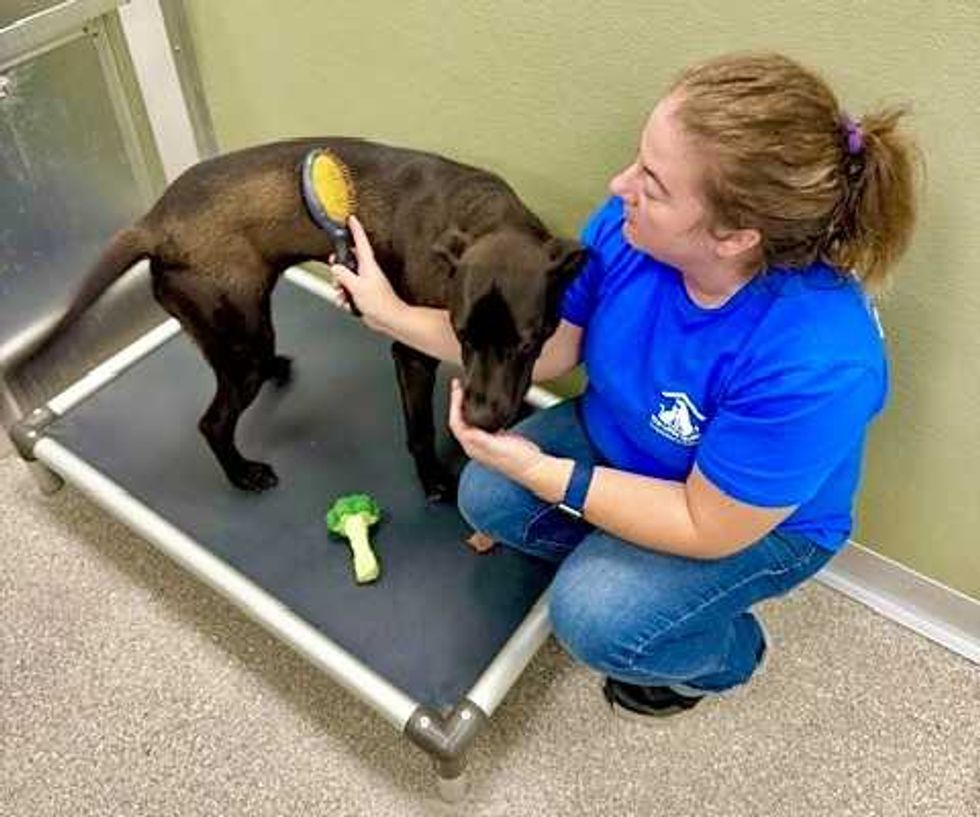 Tiffany Lemelin, shelter manager, brushing Marsala upon arrival.Provided
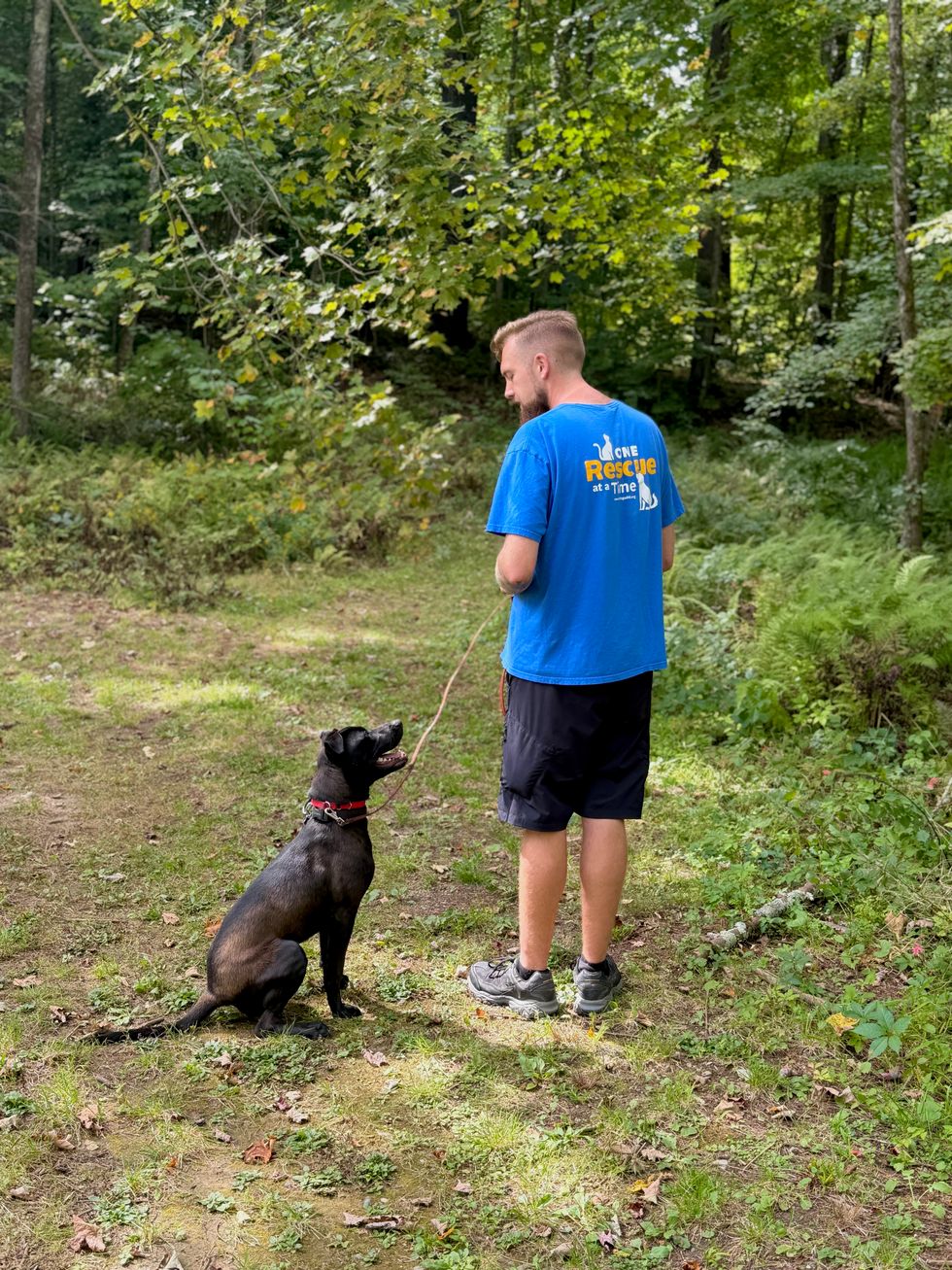 Michael DeBarba, certified dog trainer working with Marsala.Jennifer Almquist
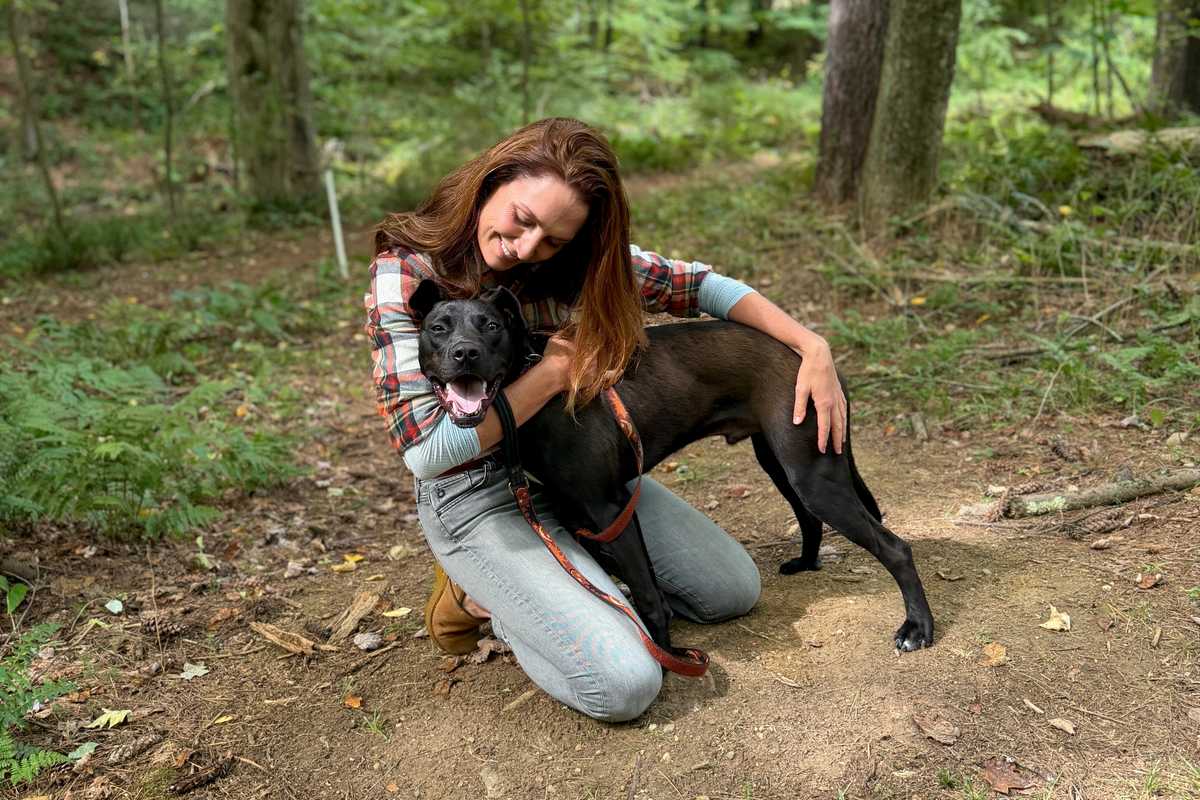 Marsala wins a heart.Jennifer Almquist

 Sadie, center, a Carolina dog, plays with her friend Negra, a terrier mix. Bella Linda, the small poodle, has since been adopted.L. Tomaino
 Wesley, a young, exuberant mix, is looking for an active home.L. Tomaino
 Bonnie and Clyde, an affectionate terrier pair.L. Tomaino
 Provided