As most of us do this time of year, I am taking stock of what worked in the garden and nearby woods and what did not.
Indeed, there was more of the latter than the former, but what did work gave me great satisfaction.
By far the best thing was in the spring, when the many years of work in the wetland yielded stunning beauty. I have written about this area before: how the removal of wall-to-wall barberry, multiflora rose, privet and buckthorn allowed the skunk cabbage to come back to life.
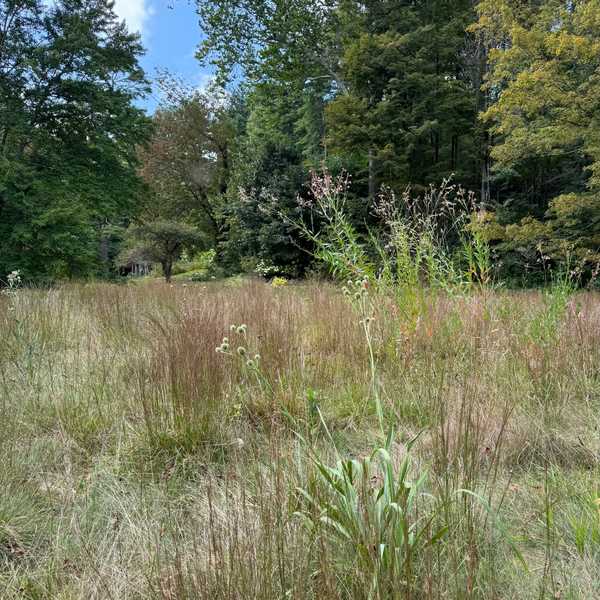
Two years ago, I tackled the remaining half-acre of dense phragmites and sprinkled the area with native wetland grass seed. Last year, one could see progress, but this spring was a transformation: native grasses, including many species that I had not seeded, and flowering plants, including marsh violets and the elegantly tall and arching jumpseed, Persicaria virginiana.
There is still much to do in this area, including a battle with coltsfoot, which I pull out this time of year so I can get the small flower buds just developing at the back of the stem. If I am lucky, the full root comes out, too. It also allows me to better see and pick out the stilt grass growing nearby.
Coltsfoot spreads quickly, and if I had had a plant ID app 10 years ago, I would never have had the issue. It is an attractive plant with an early flower. But go it must.
Trees and branches succumbing to wind, and the attendant damage they caused, might be high on many lists of what went wrong this year in the garden. We had terrible damage to trees and plant beds from two enormous white pines that snapped off behind the house. Many fared far worse.
We cannot stop the trees from falling. Sometimes we also need to preemptively remove trees that overhang our homes. That said, we do need to recognize that a healthy tree canopy provides wind protection to homes and to the ornamental plantings that surround them. The long-term viability of these important wooded areas between properties, along roads and at the borders of yards is not a given.
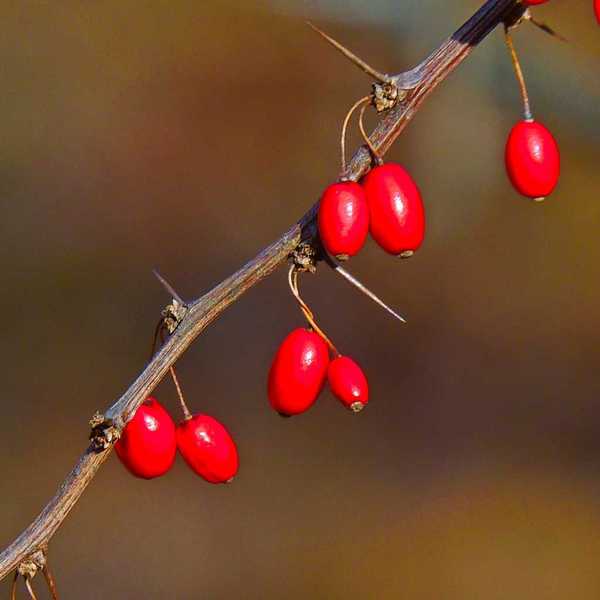
If the wooded area is infested with barberry, multiflora rose, honeysuckle and burning bush, mature trees will be weakened and new trees will be highly challenged to take their place when mature ones succumb. Many native tree seeds won’t germinate in soil that some invasive plants chemically alter through their dropped leaves and roots. Invasives also block out the light needed for small trees to grow. What you get instead is a wall of invasive shrubs with fewer trees each year. Big fail.
The most important thing you can do this fall and winter is remove invasive plants from these areas. The gratification resulting from the work is almost immediate; I have witnessed tree seedlings germinating within one year after removing the invasives, ultimately resulting in a prolific understory of young trees.
On a far smaller scale, an aesthetic failure came from my inability to keep two native plants from taking over the banks of the stream that line the road to our house. Pilea pulmila, clearweed, and Impatiens capensis, jewelweed, are both self-seeding annuals with thick, watery stems and shaggy countenances.
This year, they have colonized shady areas that used to look tidy in a natural, woodland-y way. I was loath to do anything about the small clumps of these in past years; as natives, they both provide some ecosystem services to needed insects. As the clumps grew into swaths, I put off dealing with them. When I came back from a holiday this summer, they had gone to seed and it was too late to do anything about them.
An attempt to rationalize my mistake followed. Might there be some benefit of these plants, like other annuals that fix nitrogen in the soil? No; the shallow roots are not upcycling nutrients deep in the soil, nor are they helping with erosion. And while there are some insects that enjoy these plants, the insects are generalists and can go elsewhere for what they need.
These two runaway plants test my ambition to prioritize the creation and protection of native habitats over an aesthetically pleasing outcome. Next year, the weed whacker will be employed.


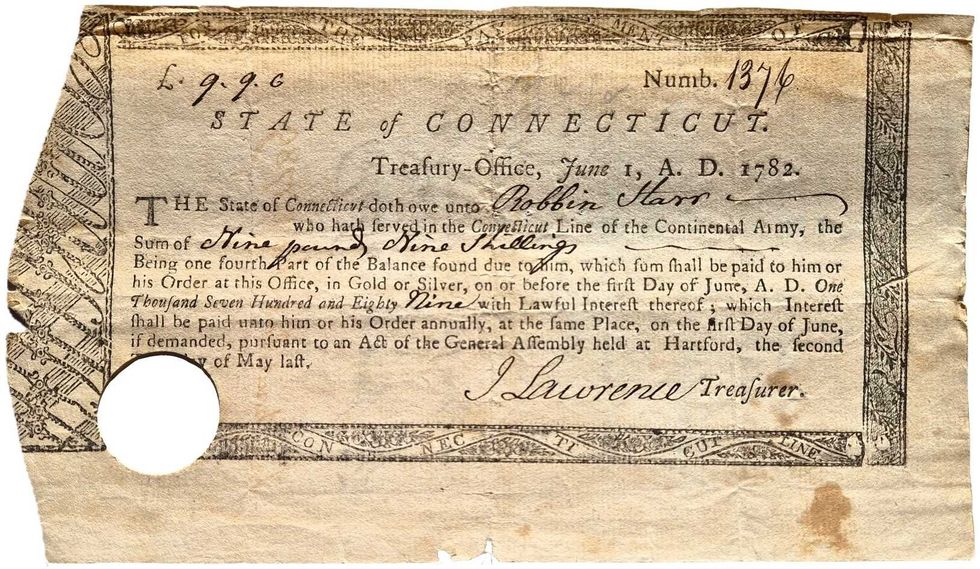 Pay Bill for Robin Starr’s service in the Continental Army.Courtesy the Alex Breanne Corporation
 John Mills speaking at Quinnipiac University.Courtesy the Alex Breanne Corporation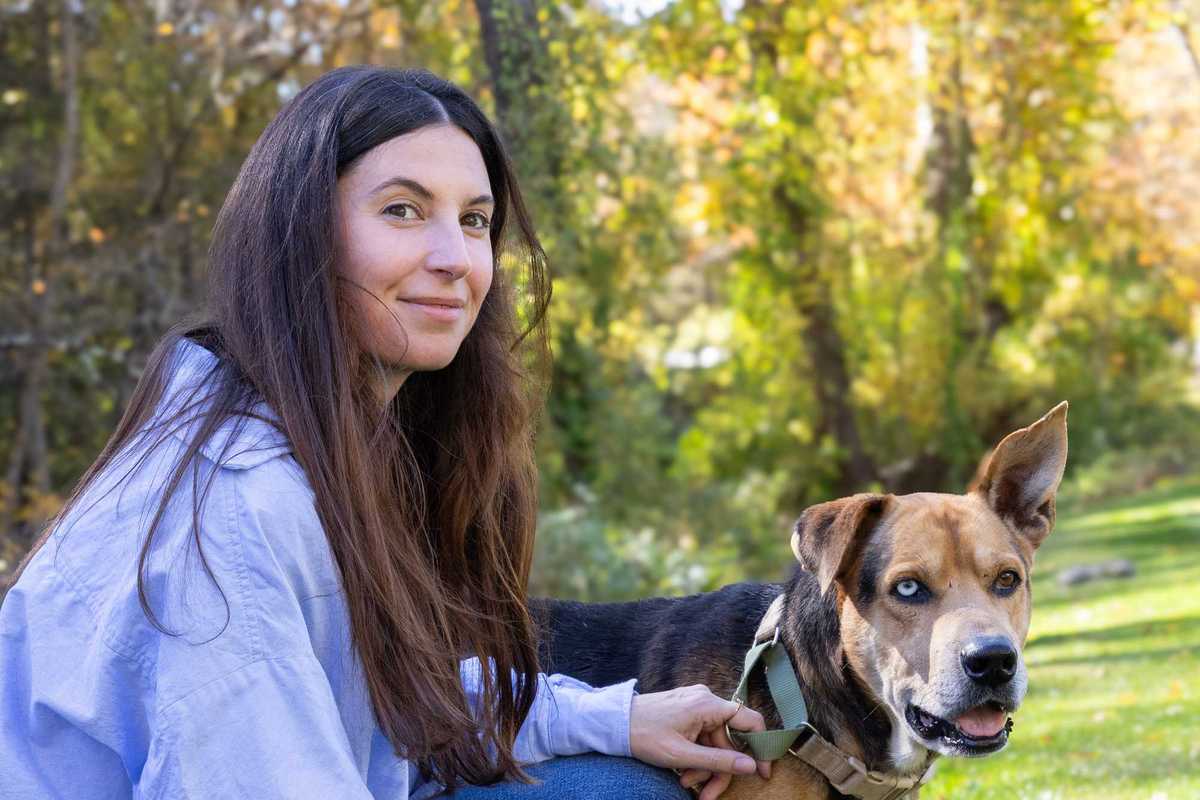
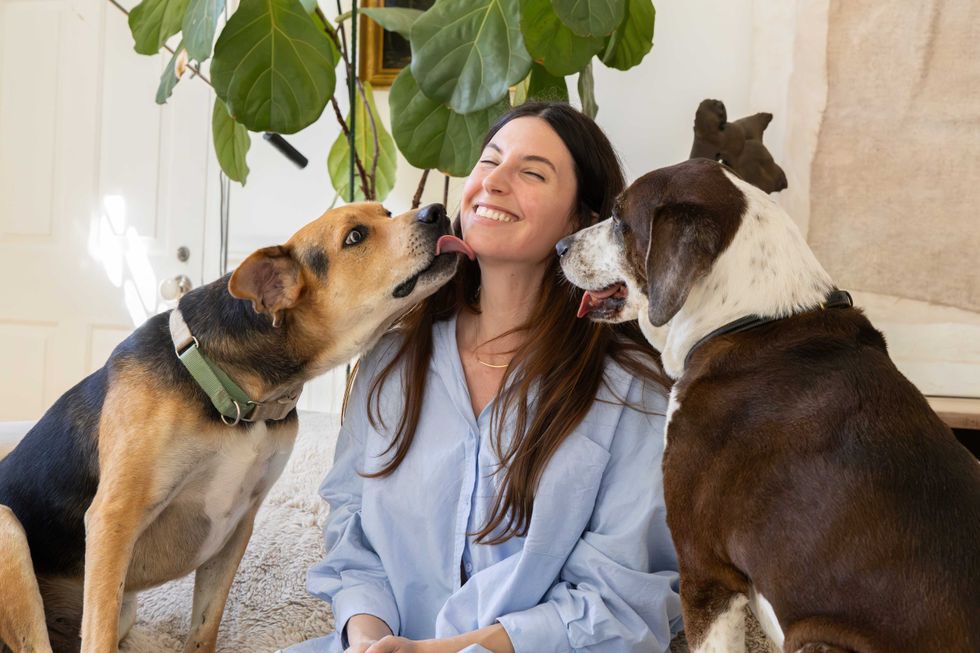 Stephanie Saetta,with her rescue dog George and Blue (left), a shepherd mix awaiting his forever home.Madi Long
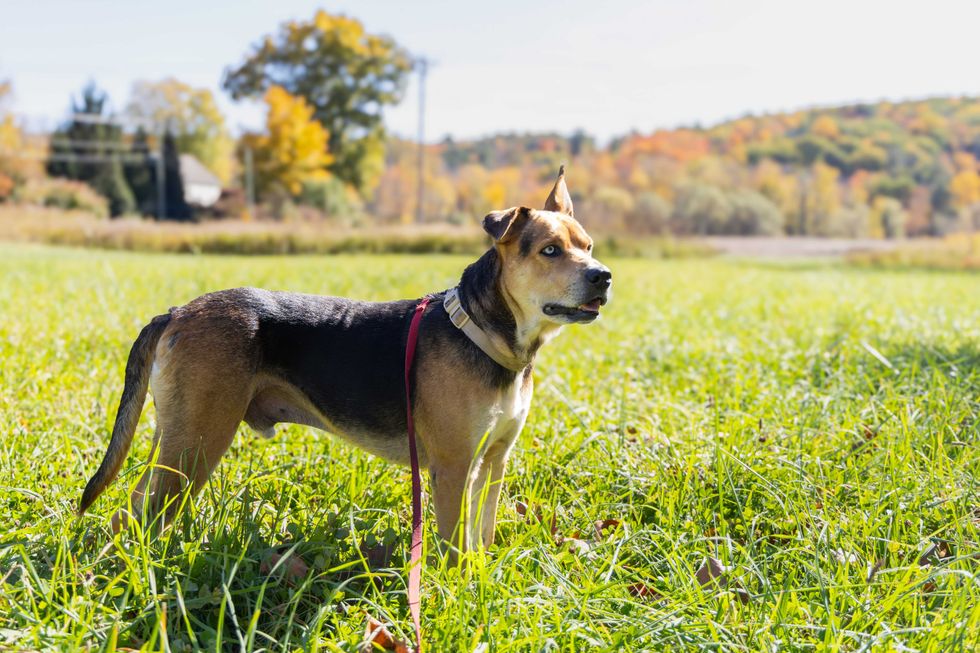 Blue, a 7 year-old Shepard mix, is waiting for his forever home. Madi Long