FALLS VILLAGE – Litchfield County may not have been the site of major battles during the American Revolution, but its residents made their mark in other ways – including turning a statue of King George III into 42,088 bullets.
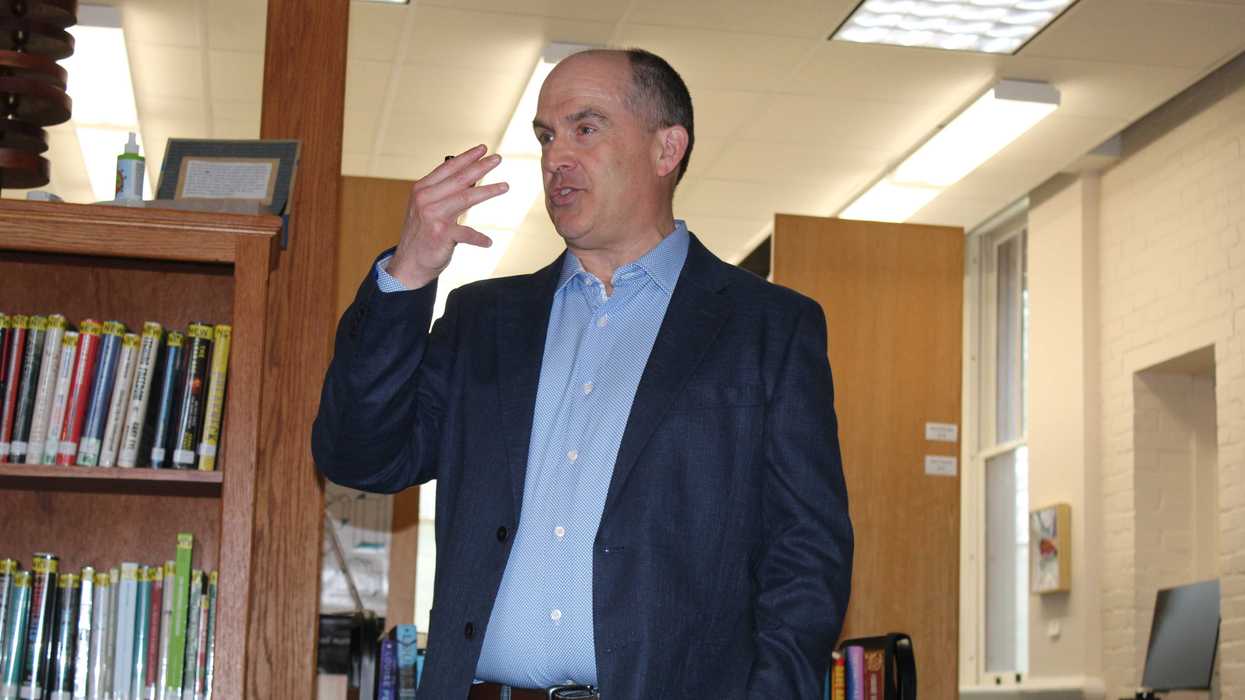
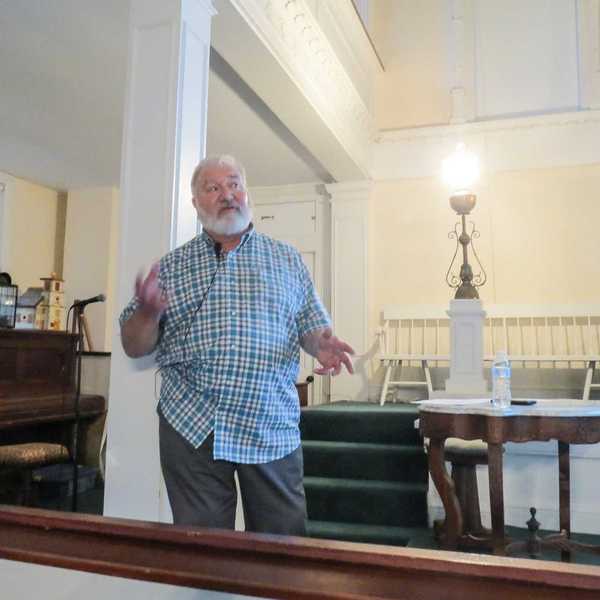
Peter Vermilyea, a social studies teacher at Housatonic Valley Regional High School and author of the newly published “Litchfield County and the American Revolution,” walked an audience through the story of Oliver Wolcott — a prominent Litchfield County citizen — and the fate of the King George statue during a talk Saturday, April 4, at the D.M. Hunt Library in Falls Village.
The statue, made of lead and covered in gilt, was erected in Manhattan’s Bowling Green on Aug. 16, 1770, to commemorate the anniversary of the birth of Prince Frederick, the King’s father.
King George III was popular at the time, having signed the repeal of the hated Stamp Act.
The New York Sons of Liberty, however, saw things differently. Vermilyea said they had lobbied for a statue of William Pitt, who led the fight against the Stamp Act.
But Parliament balked at the cost, especially to honor a colonial.
So alongside the gilded equestrian statue of the king in Roman finery stood a pedestrian-standing-statue of Pitt.
“The imperial message was clear.”
That message would not last. On July 9, 1776, the Declaration of Independence was read aloud in New York.
The city was on edge anyway. The British occupied the harbor with about 32,000 troops, while George Washington and his army of roughly 20,000 shared the city with a civilian population of about 20,000.
Washington read the Declaration to the troops and assembled civilians.
The troops went back to barracks, but the civilians had other ideas.
They marched to Bowling Green and pulled down the statue of King George.
Among those watching was Litchfield’s Oliver Wolcott.
He was the son of a governor, a governor himself as well as a member of the legislature.
Vermilyea said Wolcott was a Puritan and a conservative in every sense of the word. He was the last man to approve of or join in any sort of mob action, such as destroying a statue.
Vermilyea said the American Revolution was essentially a conservative action.
The colonists had been left more or less alone by the Crown for 100 years, until the French and Indian War (1754-1763).
And the colonies had prospered.
After the French and Indian War, however, the British became far more involved in the colonies and imposed the various taxes and levies that sparked the Revolution.
Far from being radicals, the colonists “wanted to go back to 1762.”
But events were moving fast, and by April of 1776, Wolcott wrote in a letter to his wife that independence was inevitable.
“A final separation between the countries I consider as unavoidable.”
Once the statue had been toppled and broken into several big pieces, Wolcott and the sheriff of New York took charge.
Wolcott told the crowd that the statue could be melted down for musket balls in Litchfield, and the pieces were loaded into an oxcart.
The journey was not easy. Loyalists intercepted the cart and made off with about half of the lead. Still, Wolcott and the remaining fragments reached Litchfield.
In a shed in an apple orchard next to Wolcott’s home, the community got to work. The statue was reduced to 100 pieces, each weighing about 20 pounds.
Fires were built, and the lead pieces were melted in kettles and poured into molds.
Wolcott, methodical by nature, kept detailed records on who produced what.
A Mrs. Marvin produced 6,058 bullets – referred to as “cartridges,” although they were round lead balls, not modern cartridges– while a woman named Mary Ann led the effort with 10,790.
Washington later said the ammunition made from the statue had been “exceedingly useful.”



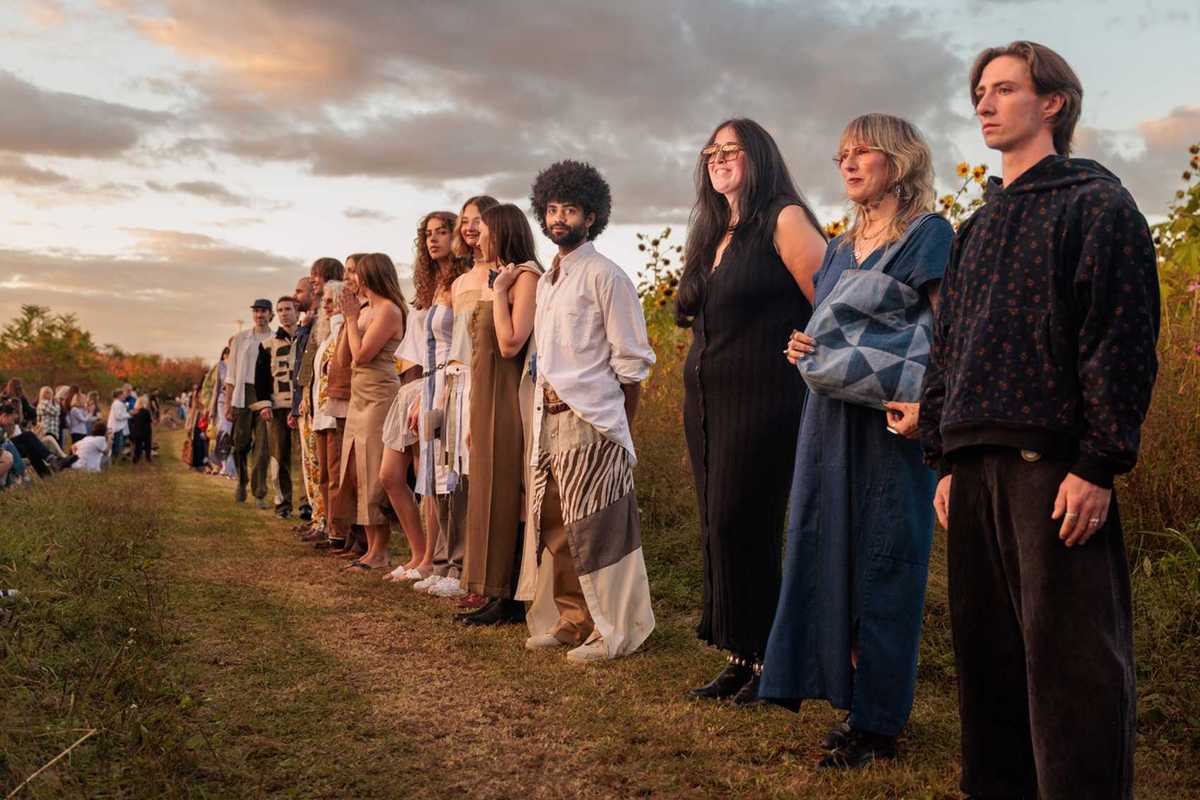
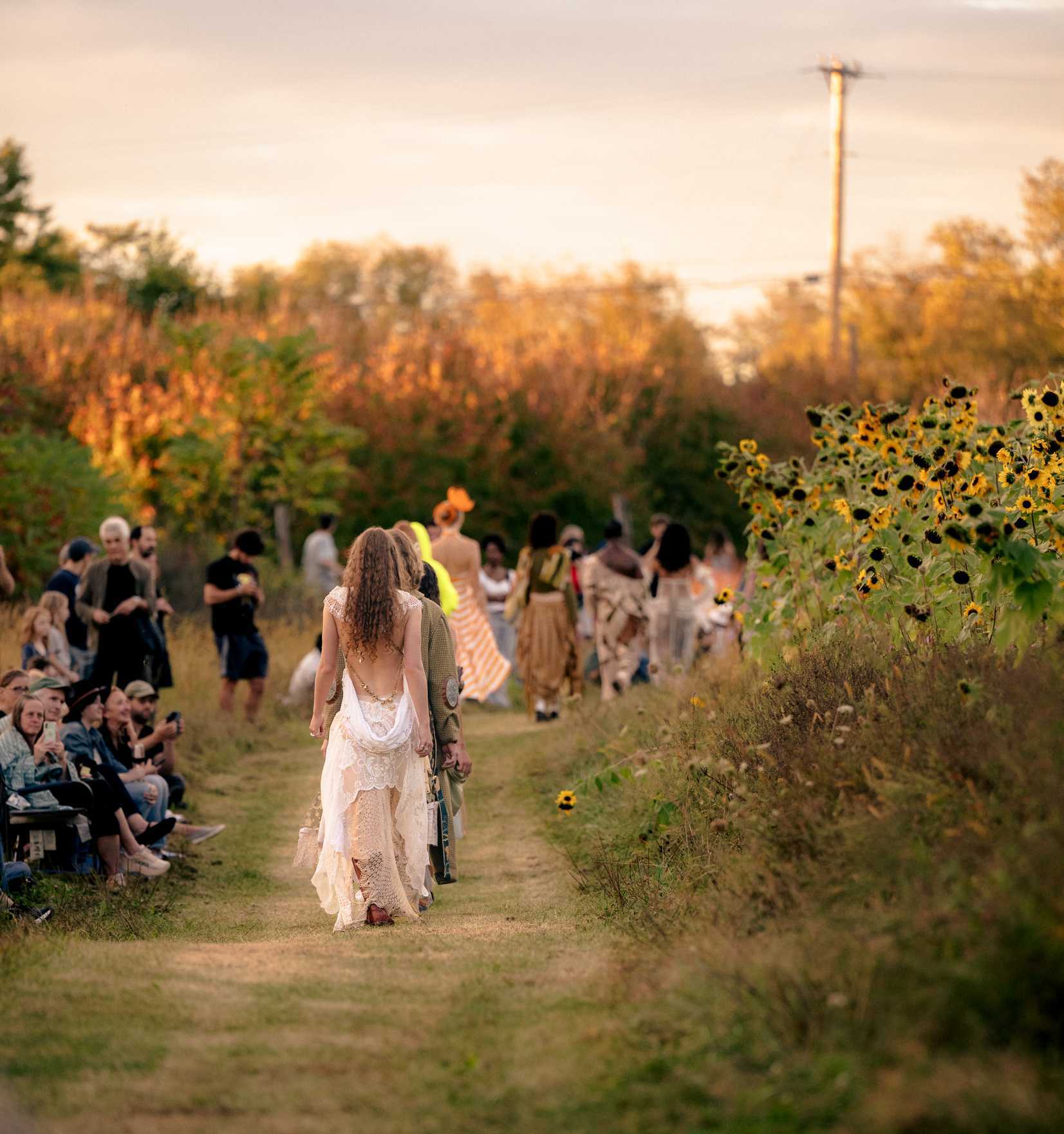 Models walk the organic runway at HVSFW. Ilan Harel
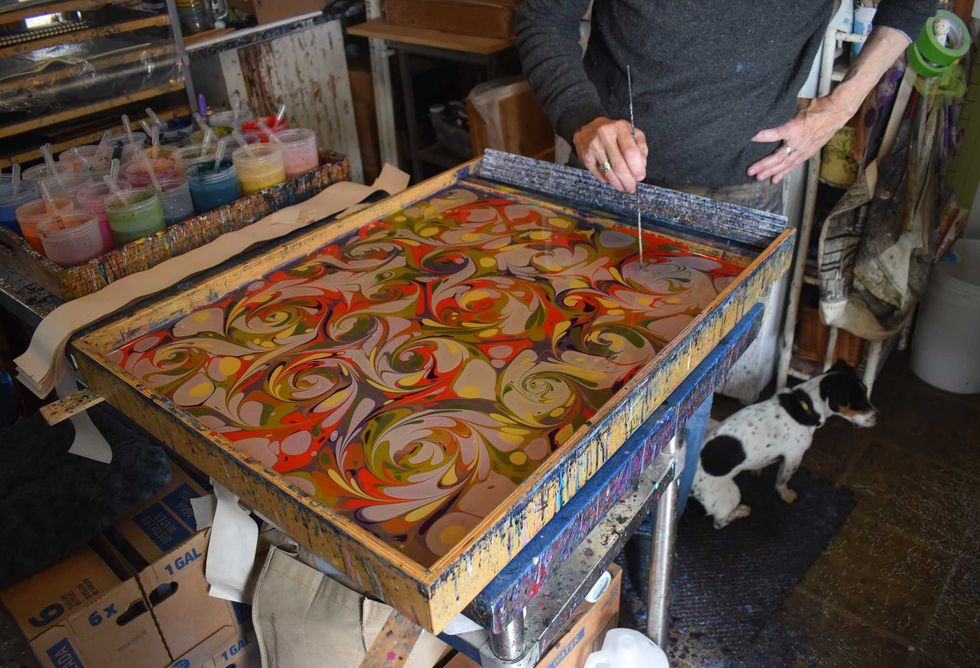 Susan Schneider, owner of Shandell’s, creates a variety of products with marbleized surfaces in her Ashley Falls studio.L. Tomaino

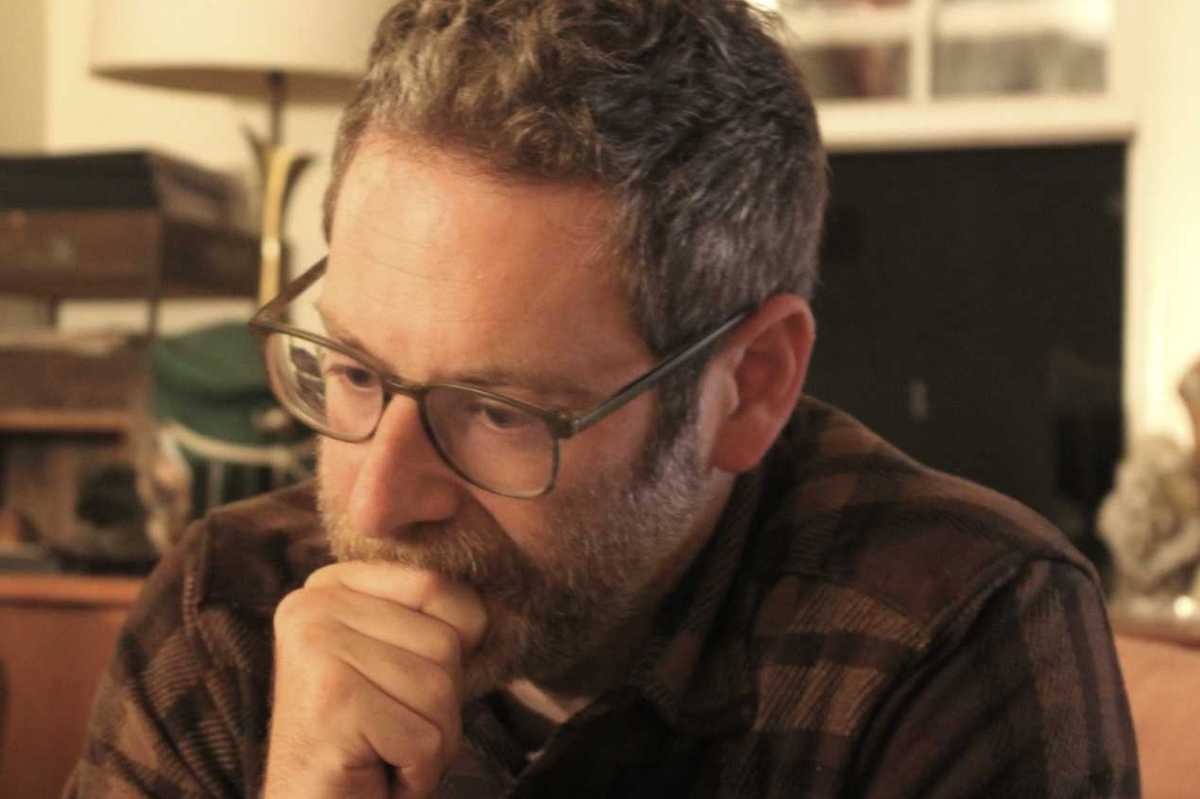
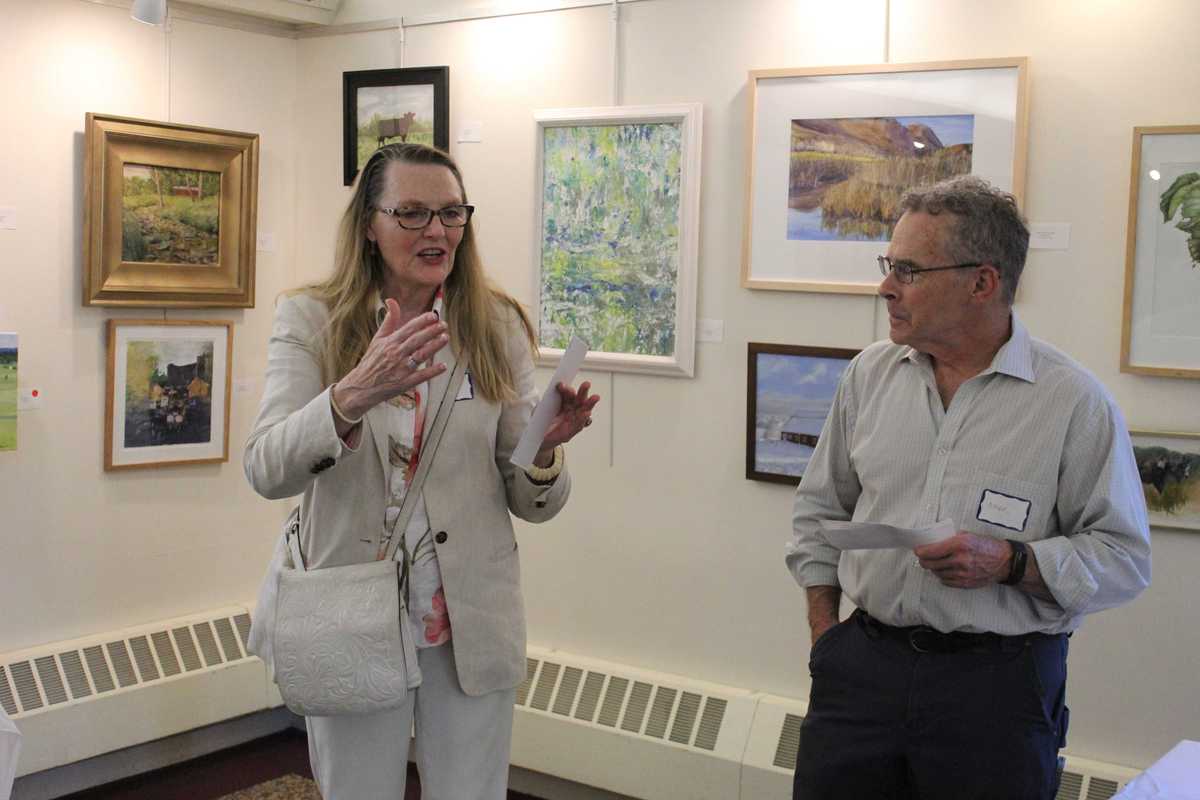
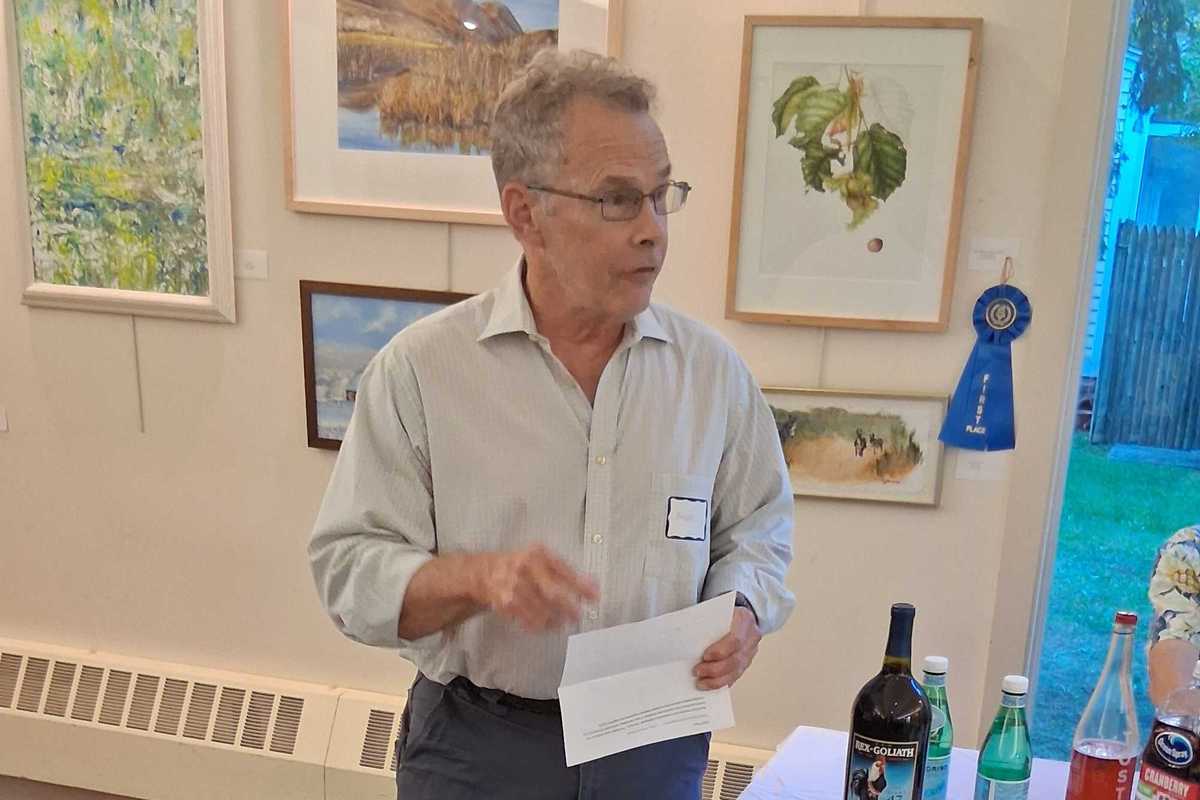 Roger McKee naming the winners with the first place entry over his left shoulder. Patrick L. Sullivan
 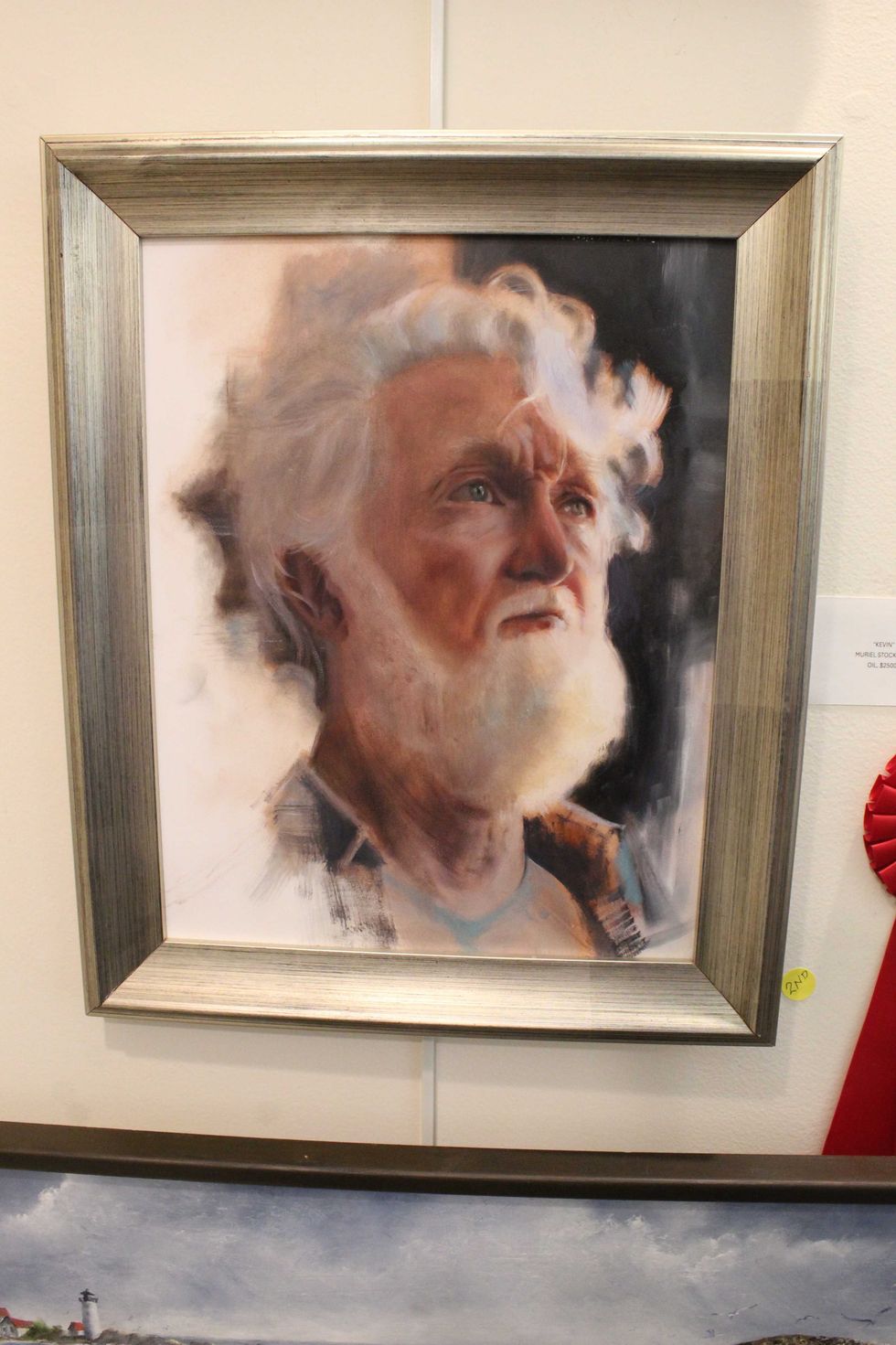 Muriel Stockdale’s “Kevin” took second place in the juried art show at Trinity Episcopal Church.Patrick L. Sullivan