SHARON – A new sign was installed at the Hotchkiss Library Friday, May 15, featuring handmade ironwork by William Trowbridge, 80, a local blacksmith known for his traditional approach. The sign was commissioned by architect David Moore, who oversaw the 2023 renovations of the historic library.
Trowbridge said his personal style emulates ironwork from centuries past. He said the sign commissioned for the Hotchkiss Library was designed to reflect the era in which the building was constructed, in 1893.
“It’s certainly something that would have been seen around the time the library was built,” Trowbridge said.
The sign has decorative scrolls around the outside leading up to a large “H,” along with a shaped iron figure reading a book at the top. The sign itself was made by nearby Ghi Signs in Canaan.
“It’s a very traditional sign,” Trowbridge said.
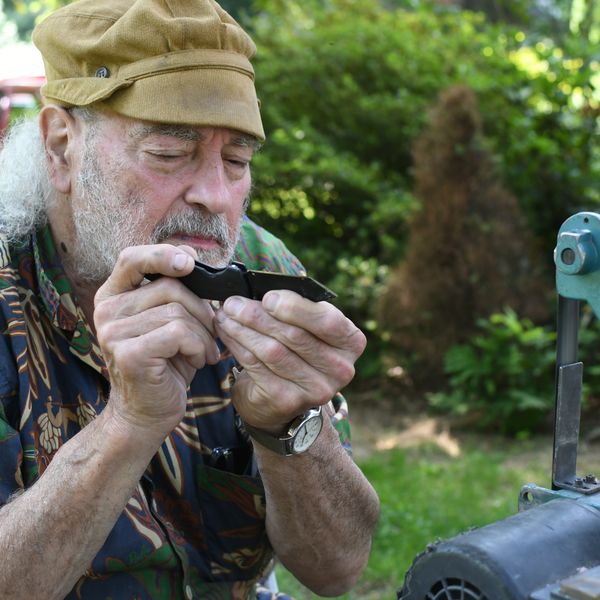
Instead of bending and welding metal with modern tools, Trowbridge uses forge fire and shapes iron with a hammer, giving the work a more historically accurate appearance.
“My shop is a pretty good copy of what would have been seen in the 18th century,” he said.
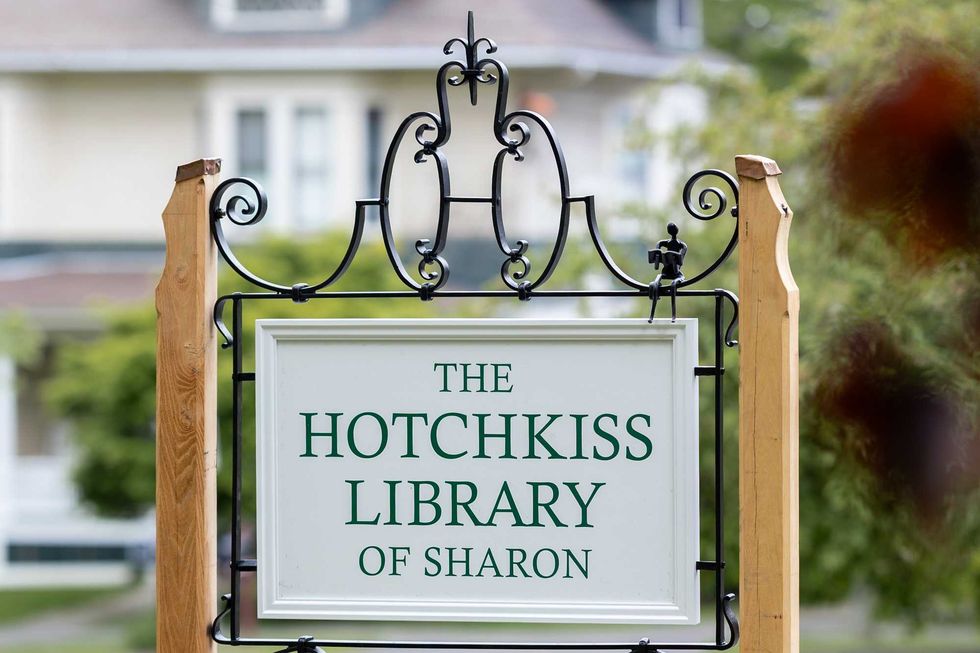 An iron figure reads a book atop the new Hotchkiss Library of Sharon sign. Aly Morrissey
His approach takes a lot longer than it would with modern tools, like electric welders.
Trowbridge also designed a sign for the Sharon Historical Society next door, featuring similar decorative elements. One of his favorite details is the use of collars – bands or straps that wrap around two or more pieces to hold them together. Mostly functional, Trowbridge takes pride in viewing the collars as decorative elements, as well.
His work is prominently featured throughout Sharon and surrounding towns. He said people don’t always notice iron, though he’s not sure why.
While Trowbridge seems happy to work quietly behind the scenes, Hotchkiss Library architect David Moore was happy to praise his craftsmanship.
“This wasn’t just an addition to the library – it was a full renovation and restoration project,” Moore said. “Part of that included restoring the building’s signage. We wanted something that reflected the character of the building, and we had a beautiful example to draw from,” Moore gestured toward the Historical Society sign.
“After seeing William’s work, we thought, ‘How could we not do this?’”



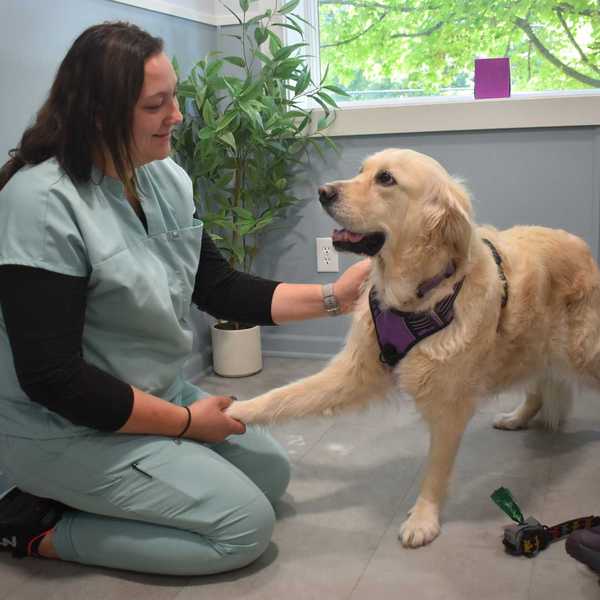
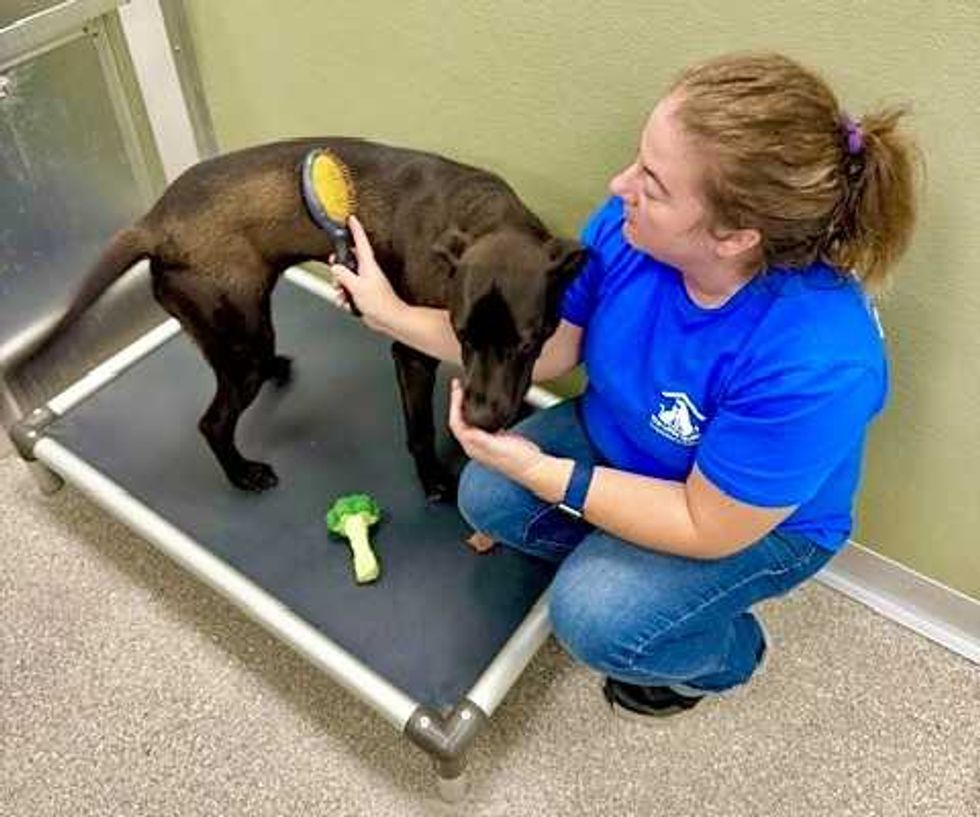 Tiffany Lemelin, shelter manager, brushing Marsala upon arrival.Provided
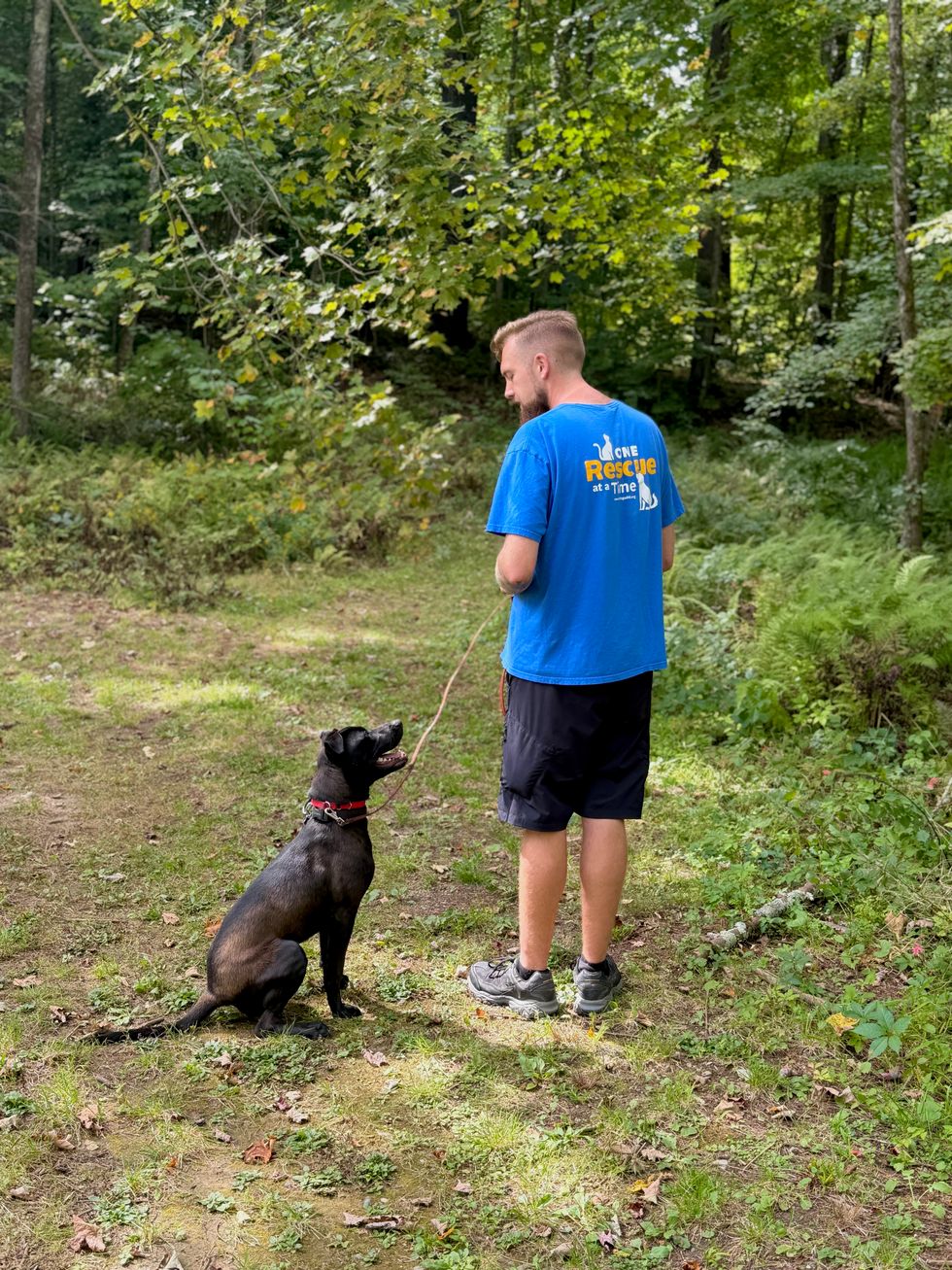 Michael DeBarba, certified dog trainer working with Marsala.Jennifer Almquist
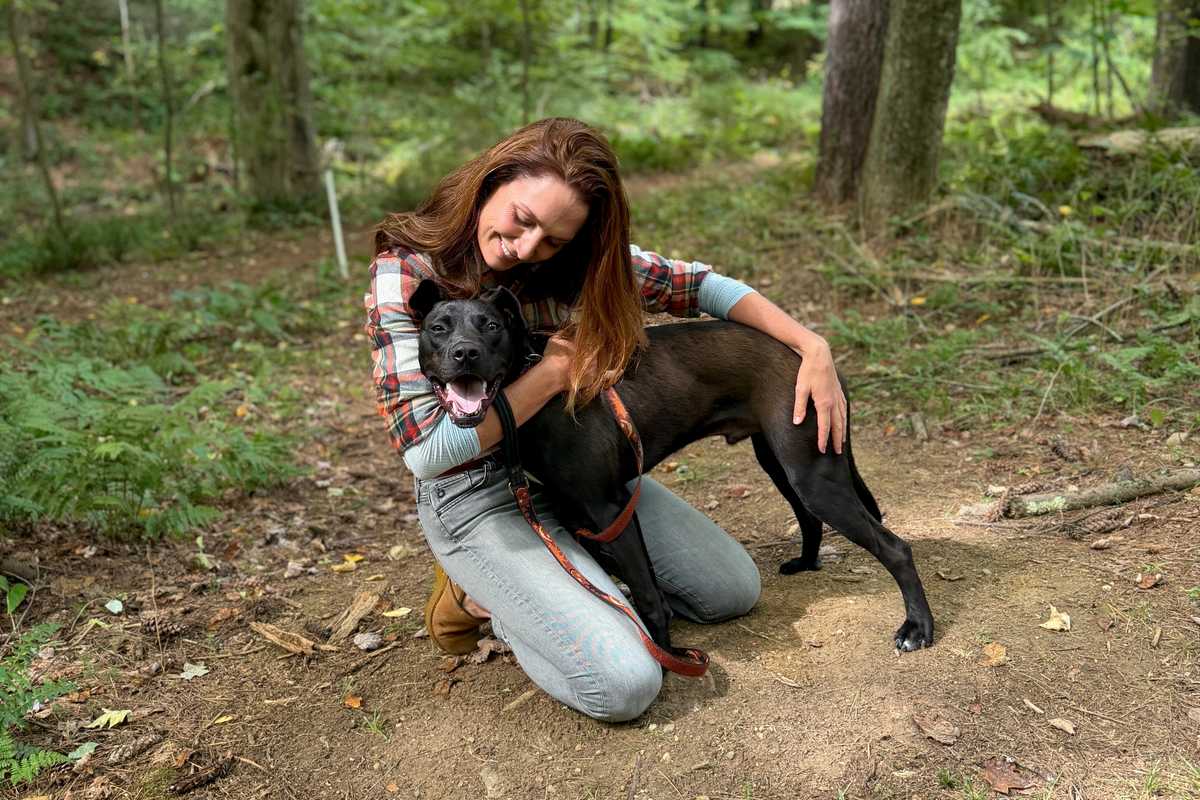 Marsala wins a heart.Jennifer Almquist
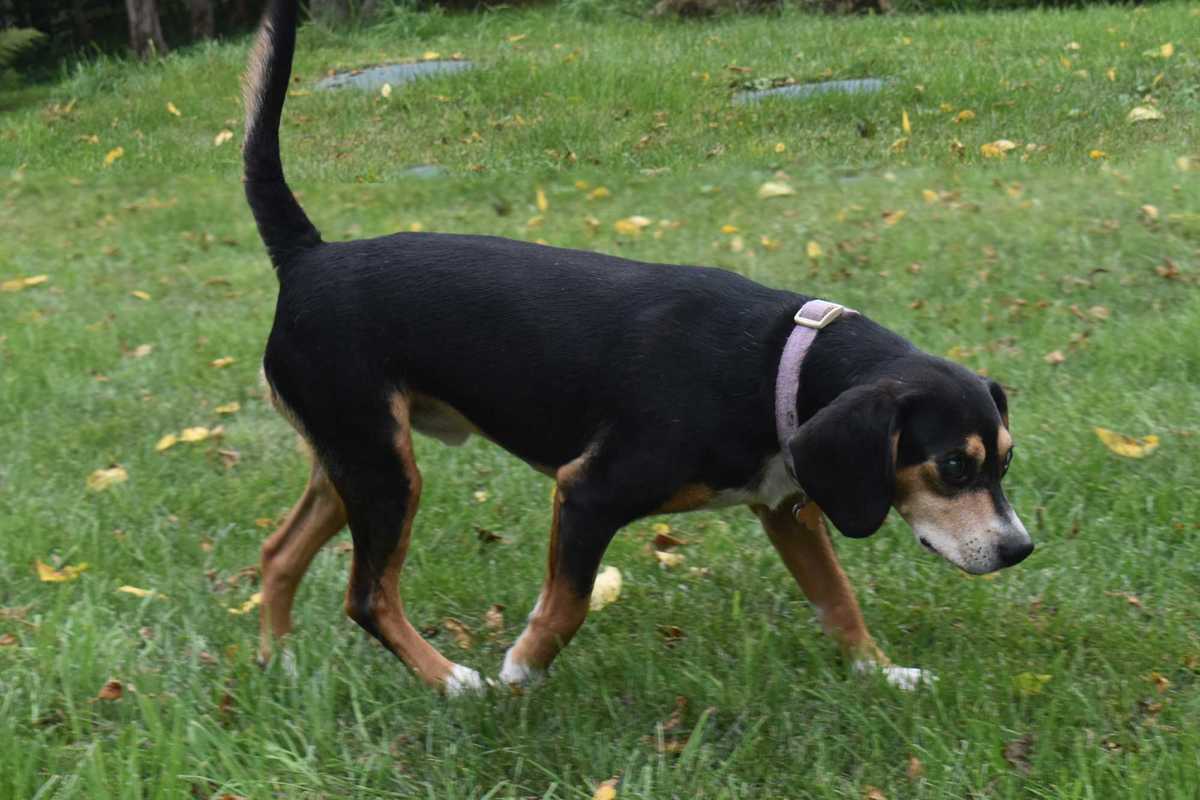
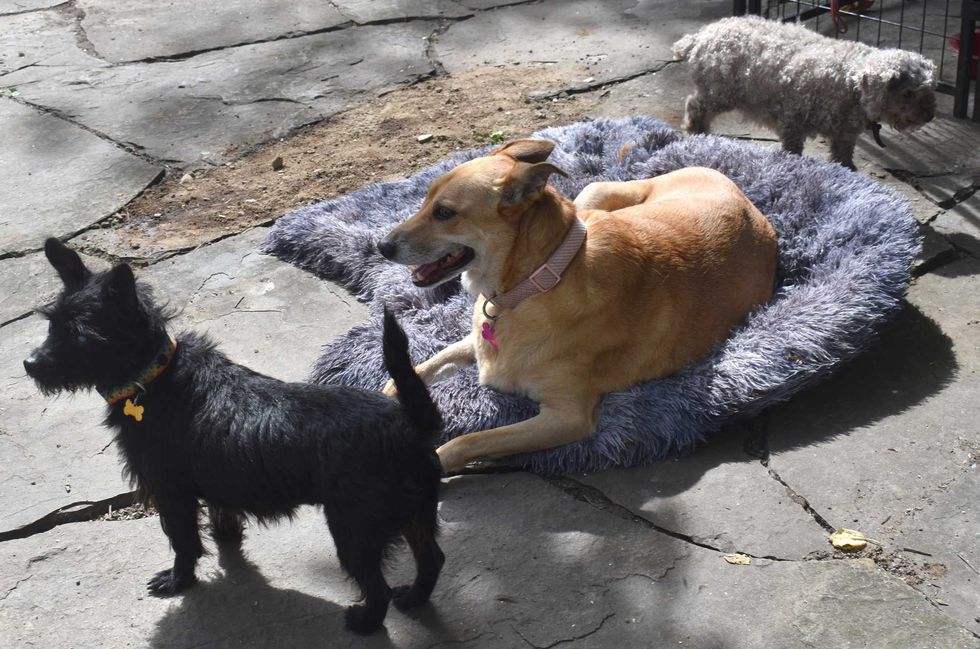 Sadie, center, a Carolina dog, plays with her friend Negra, a terrier mix. Bella Linda, the small poodle, has since been adopted.L. Tomaino
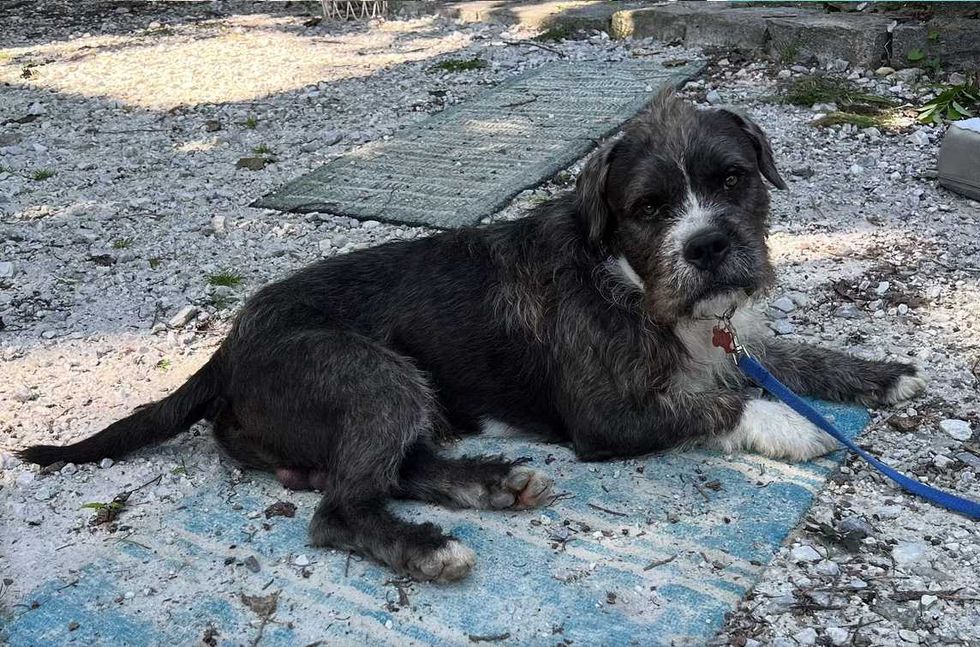 Wesley, a young, exuberant mix, is looking for an active home.L. Tomaino
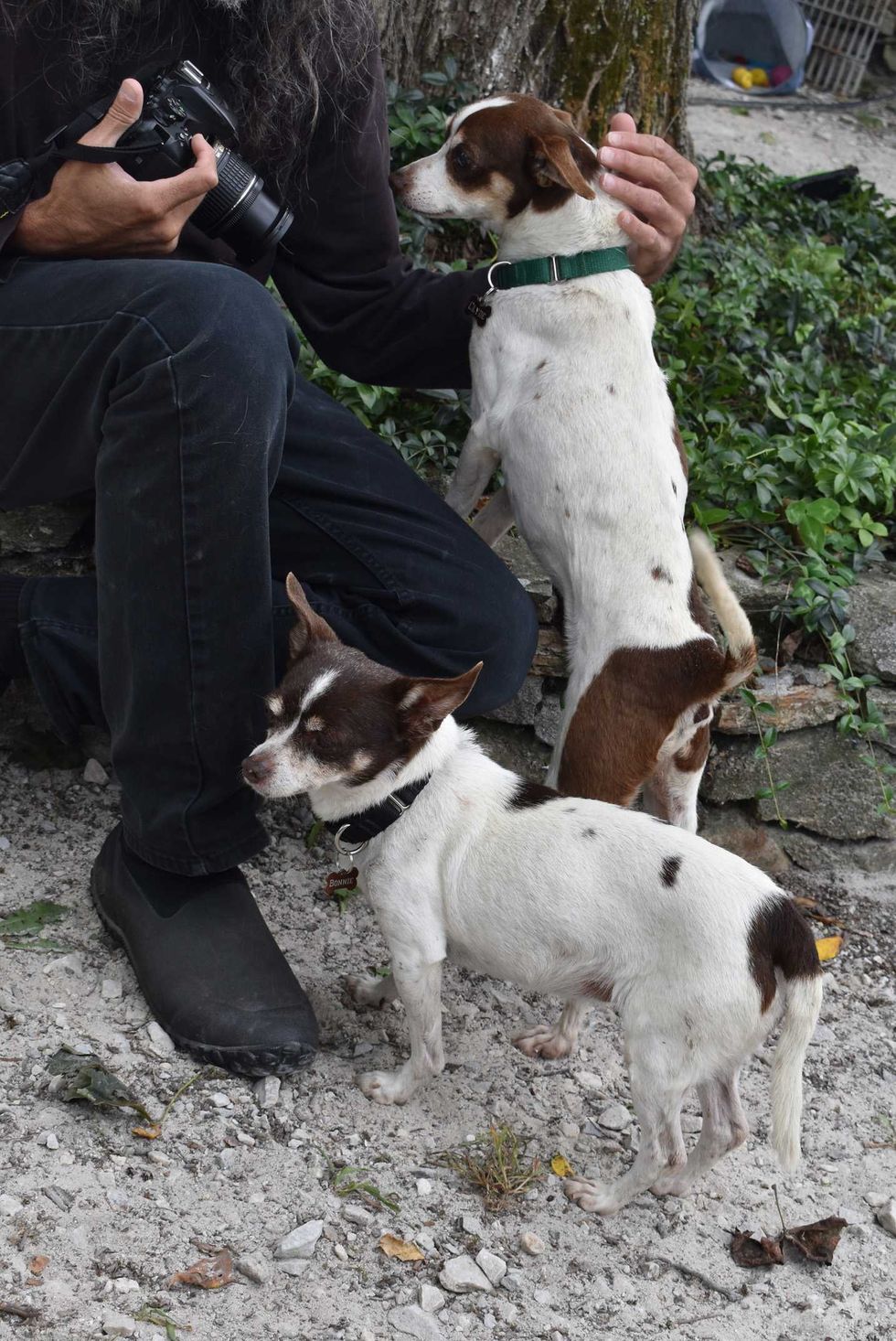 Bonnie and Clyde, an affectionate terrier pair.L. Tomaino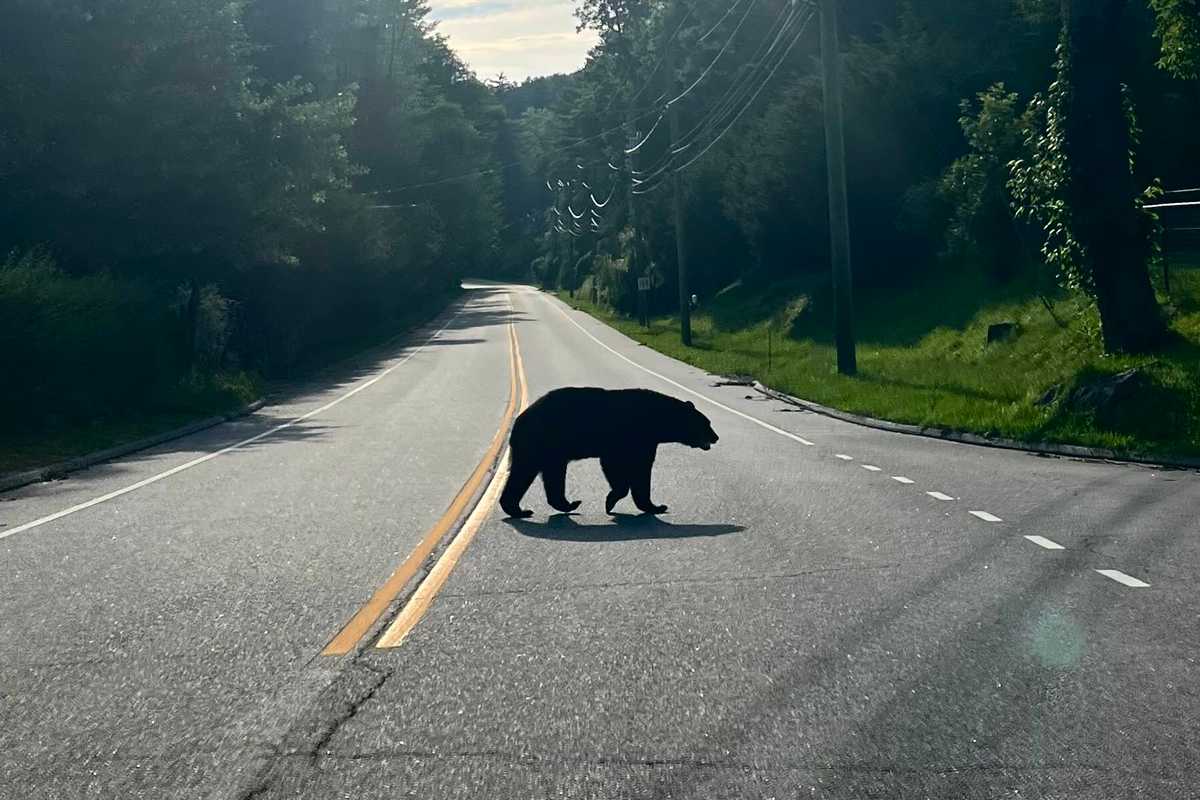
 Provided