MILLERTON — American Legion Auxiliary Unit 178 in Millerton is raising money to sponsor a service dog for a war veteran. The organization they’re working with, Puppies Behind Bars (PBB), was founded by a resident of the Northwest Corner: Gloria Gilbert Stoga.When Puppies Behind Bars first started, its mission was to train puppies as guide dogs for the blind. After the terrorist attacks in 2001, they also started training dogs as Explosive Detection Canines (EDC). In 2006 they launched a new program called Dog Tags: Service Dogs for Those Who’ve Served Us. It is specifically for veterans of the wars in Iraq or Afghanistan suffering from post-traumatic stress disorder (PTSD) or who’ve had a traumatic brain injury or other debilitating physical injury.Molly Jenks, first vice president of the Millerton auxiliary, said the organization chose to sponsor a dog as a project for their junior members and the community but also “to raise awareness about the plight of returning vets.“The stories of what these dogs can do to help a veteran with PTSD are just incredible,” she added.Service dogs in the Dog Tags program are trained very differently from guide dogs for the blind or other service dogs, such as search-and-rescue or therapy dogs. They all must learn the standard service dog commands such as come, sit, stay and down. And they all must be socialized. But a dog in the Dog Tags program will learn more than 80 commands. Just a few of the tasks they are expected to master are to turn on lights; open doors (including the refrigerator); distinguish between objects and bring the requested item; remind their veteran to take medications; and warn them of an approaching stranger.Long before they get to that level of training, the service dog will start its working life as an eight-week-old puppy living with an inmate at one of six correctional facilities in New York, Connecticut or New Jersey.Puppies Behind Bars purchases the puppies outright from a list of reputable breeders. Not all puppies are suited for a life as a service dog. At the end of their 18 months as a puppy behind bars, they are evaluated. Some dogs develop health issues, making them unsuitable. They must be healthy and free of any disabilities, including allergies and hip dysplasia.Gilbert Stoga was working in New York City Mayor Rudolph Giuliani’s office when she decided to start the Puppies Behind Bars program. She credits her inspiration for PBB to Dr. Thomas Lane, a Florida-based veterinarian who, every day on his way to work, passed the state prison in Gainesville. He saw the inmates standing around and thought they could be doing something productive and useful. He worked with the prison to start inmates training canines as guide dogs.Gilbert Stoga read an article about the program he had developed, and went to see him and study his methods. The program benefits both the inmate and the veteran. Working with inmates confined to medium- and maximum-security prisons, because they generally have longer terms of incarceration, the program is designed to contribute to the inmates’ social rehabilitation. An inmate must meet fairly strict criteria before they’re welcomed into the PBB program. The puppy then comes to live in the inmate’s cell and goes everywhere he or she goes within the prison community.And the inmate must be committed to training the dog.Gilbert Stoga said, “I am constantly bringing in articles about the soldiers that describe what they’re going through. We want the inmate/trainer to understand why we give the commands and how they will be used. “They have to take quizzes, and tests on a regular basis and read a lot of books. We give them homework. “Sometimes the puppy isn’t cut out for the work; and sometimes the inmate isn’t either.“We don’t consider the inmate to be a trained trainer until they’ve graduated one puppy. But we want them to learn and work with multiple dogs.”PPB also pays for correspondence courses for the inmates in veterinary assistance, animal grooming and training, so that when they are ready to be paroled they will have some real life-skills they can take with them.Just as the inmates are carefully screened before they are entrusted with a puppy, the veterans are also carefully screened before they receive a service dog. “A dog can be a complication,” Gilbert Stoga said. “It is not a magic wand. It’s a tool. If they can’t take care of themselves, then they won’t be able to take care of a dog.”In addition to the requirements regarding the war and the disability, they also must be in a stable living situation, be free of any drug or alcohol addiction for at least a year, be able to afford the cost of maintaining the dog, not have more than one dog already in the home and — most importantly — be committed to keeping up with the dog’s training.When they are first matched with a dog, they will spend two weeks at an on-site training facility, to get acquainted with the dog and learn how to communicate with it. After that, PBB has frequent check-ins to make sure that everything is going OK. Eventually those visits are reduced to an annual check-in.The organization has an enormous amount at stake in making sure that the match is a good one at every step of the way. A service dog will cost PBB, on average, $26,000 during its lifetime.So far, 39 dogs have graduated and been placed into service and PBB has 85 puppies in training. Since all of PBB fundraising is private, it is helpful when organizations such as the American Legion Auxiliary Unit in Millerton and private individuals sponsor a dog.To contribute to the auxiliary unit’s sponsorship, contact Molly Jenks at 518-789-6738 or send a check to the American Legion Auxiliary Unit 178, PO Box 22, Millerton, NY 12546. To contact Puppies Behind Bars go to www.puppiesbehindbars.com.
Latest News
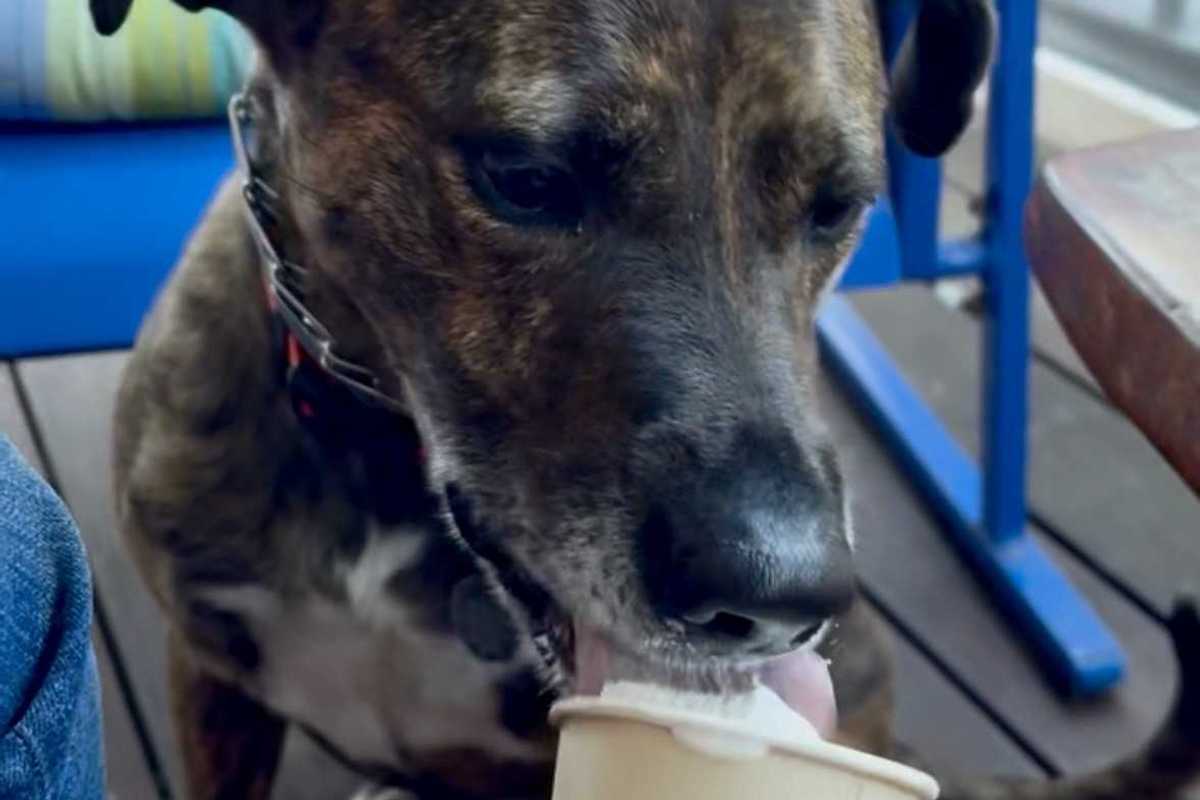
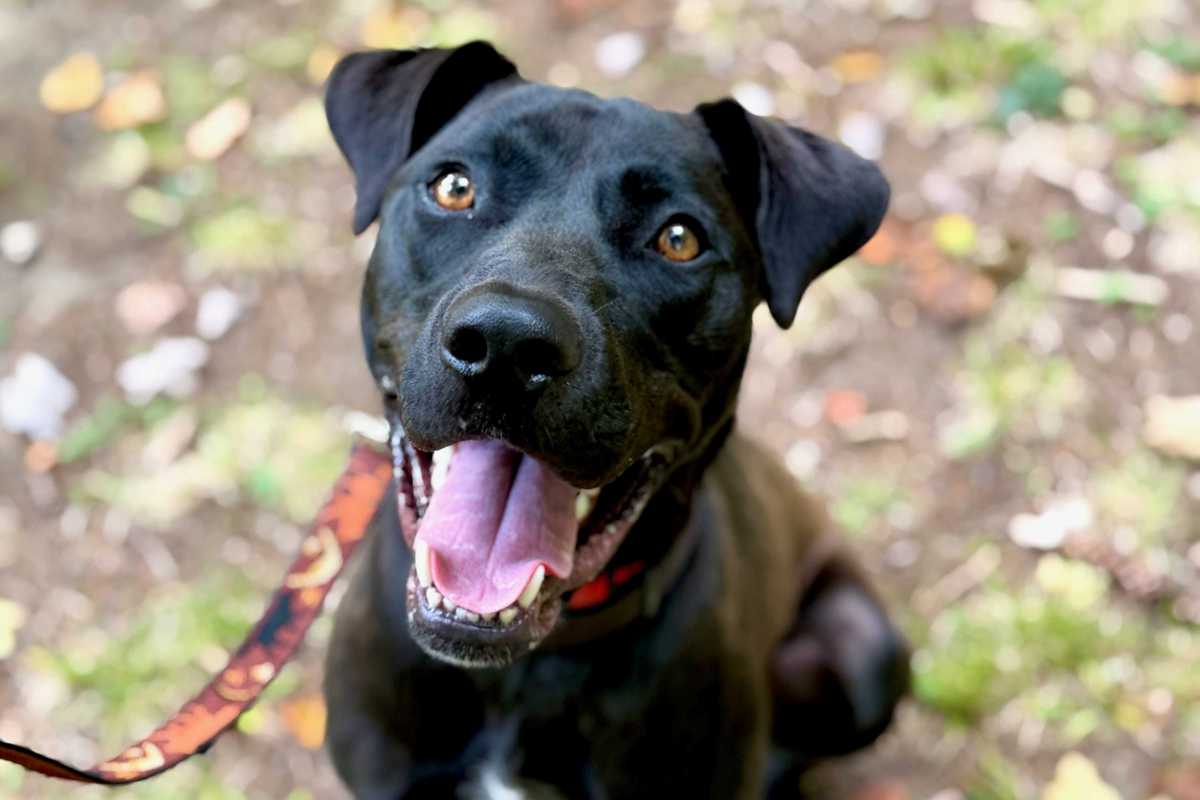
Marsala is eager to go home with you.
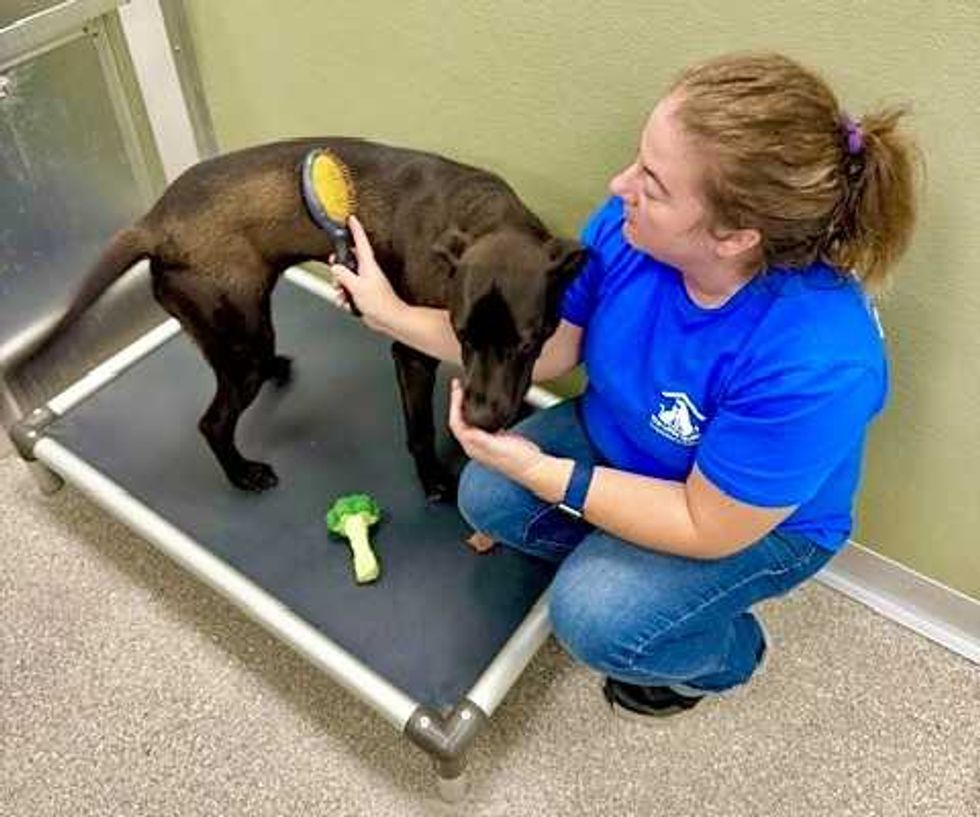 Tiffany Lemelin, shelter manager, brushing Marsala upon arrival.Provided
The Little Guild is an animal shelter at 285 Sharon-Goshen Turnpike in West Cornwall. Founded in 1957, the organization rescues animals from local surrenders and under-resourced shelters. When a rescue animal arrives at The Little Guild, staff begins a careful intake and transition process to ensure the animal is safe, healthy and ready for adoption.
New arrivals are quarantined in-house. Vaccinations are verified as up to date, and staff assesses each animal’s medical, behavioral and placement needs. Rescues receive medical care, daily support and behavioral training to ease shelter stress. Once a dog has finished quarantine and is ready for a home, its profile is published at littleguild.org.
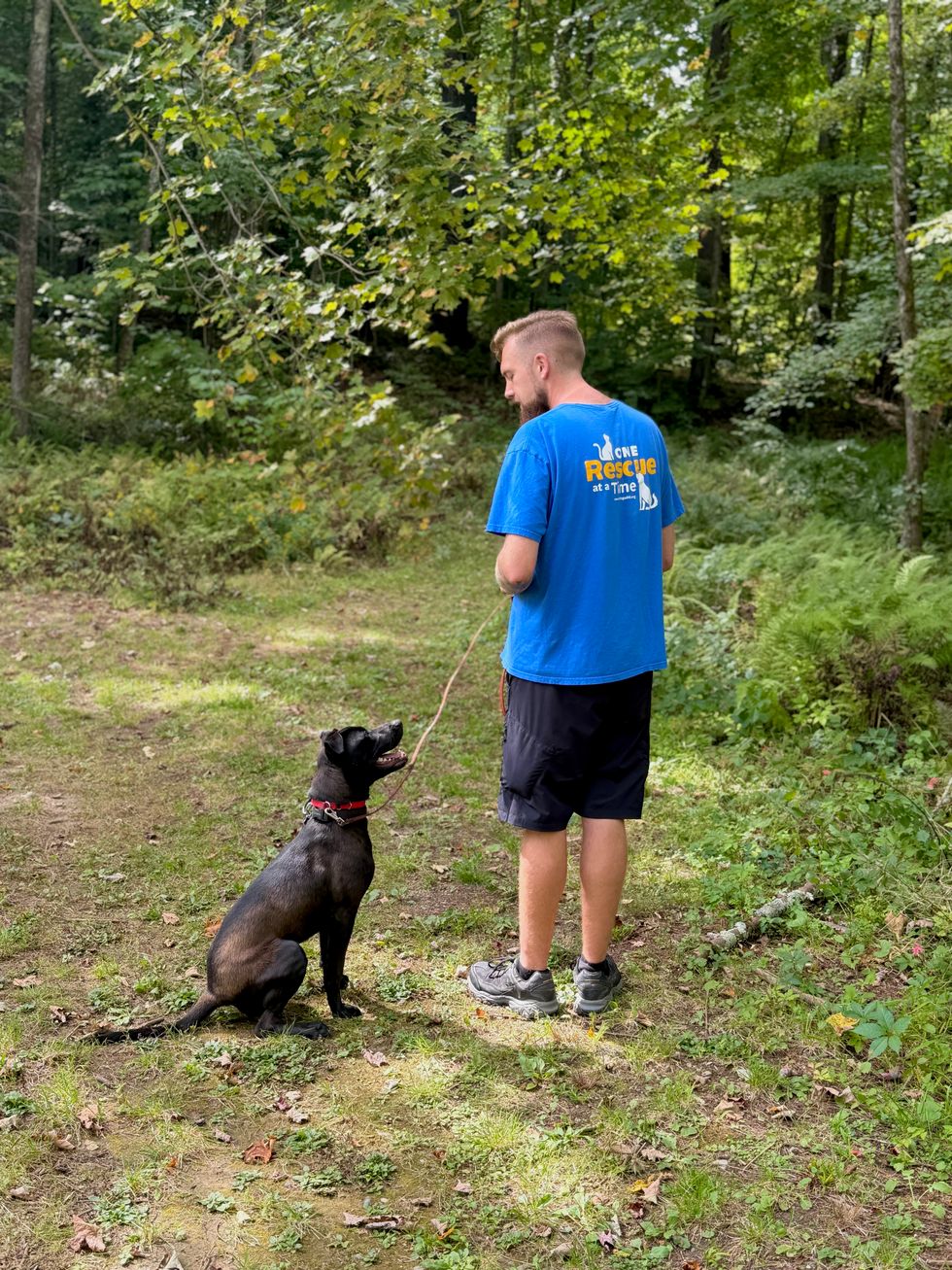 Michael DeBarba, certified dog trainer working with Marsala.Jennifer Almquist
Prospective adopters fill out an online application with information about their household and veterinary and personal references.
The next step is for the prospective adopter and family members to meet the dog. If there is already a dog in the household, a meet-and-greet is scheduled so the dogs can get acquainted.
The animal care staff offers guidance based on its knowledge of each animal’s personality, needs and quirks to help families find the best fit.
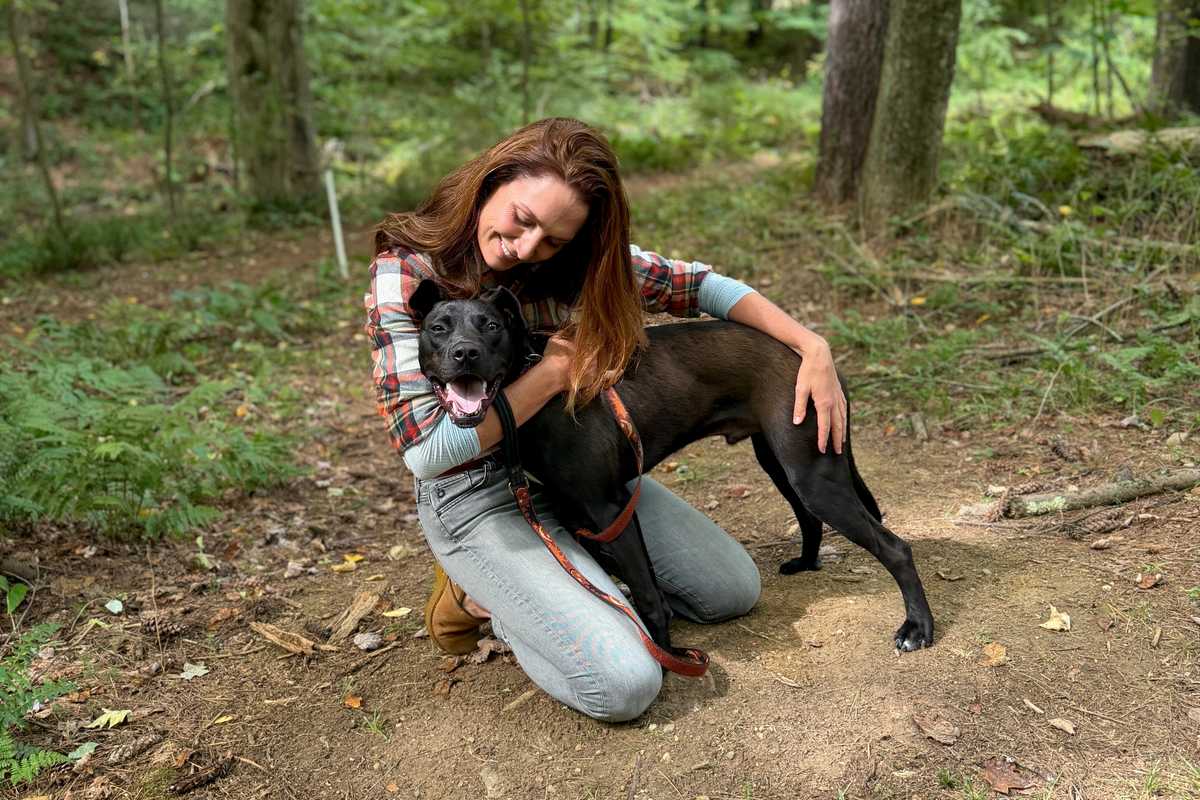 Marsala wins a heart.Jennifer Almquist
Once a match is made, the adoption contract outlines aftercare. Adopters agree to return the animal to The Little Guild if the adoption doesn’t work out. The organization’s commitment continues after adoption, with six months of free training and follow-up from staff to answer questions or address concerns.
“Please don’t pass Marsala by,” Lemelin said. “He loves people and other dogs. He’s a lap dog who lives for snuggles, cuddles and face kisses. Marsala deserves a family, a soft bed and a lifetime of being chosen.”
To find out about Marsala and other rescue dogs and cats, visit littleguild.org

Want more of our stories on Google? Click here to make us a Preferred Source.
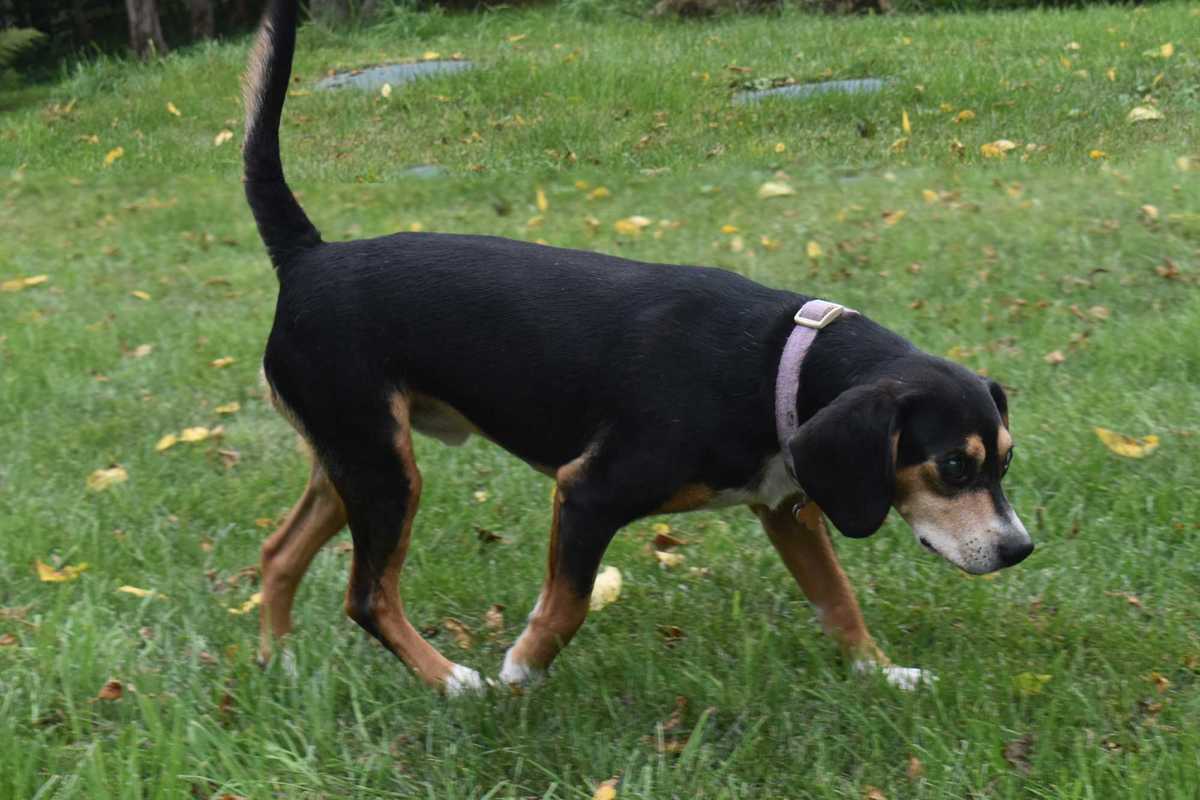
Sampson, a playful and independent blind hound mix, explores the rescue’s large yard.
Though she takes in dogs of all ages, including some with disabilities — and one resident cat — the rescue’s motto is “Giving old dogs new lives.”
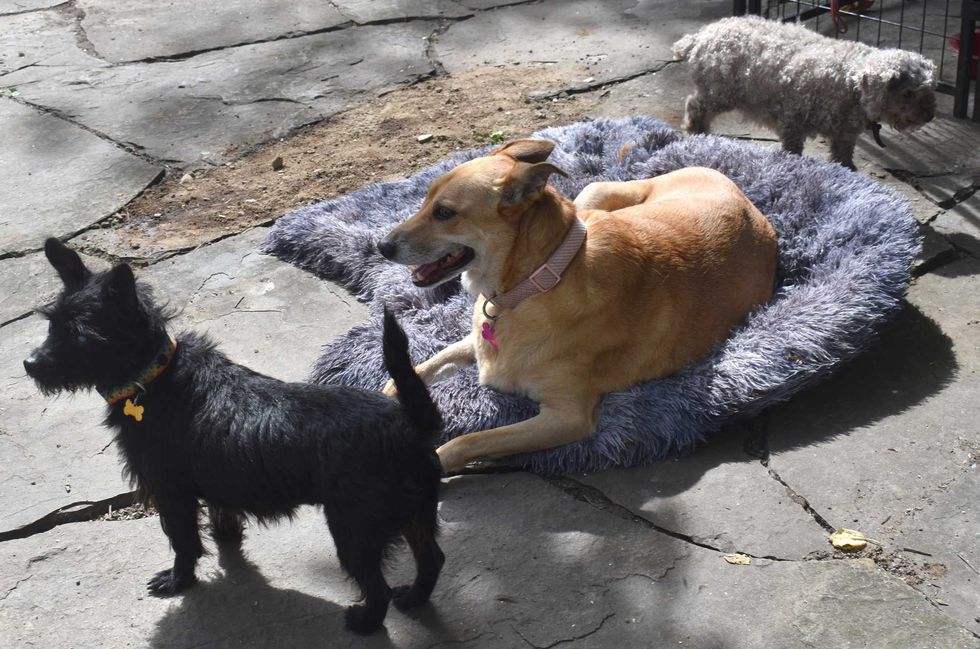 Sadie, center, a Carolina dog, plays with her friend Negra, a terrier mix. Bella Linda, the small poodle, has since been adopted.L. Tomaino
Sadie, a sweet Carolina dog, was the first to greet visitors.
“She could really use a home,” Meade said.
Then came Bonnie and Clyde, rat terriers; Negra, a small terrier mix; Sampson, a blind hound mix; and Jay Z, a terrier mix who was emaciated when Meade took him in and has since filled out, with fur regrowing over previously bald patches. Wesley, a young, shaggy mix whom Meade calls “a very good boy,” is also in need of a home.
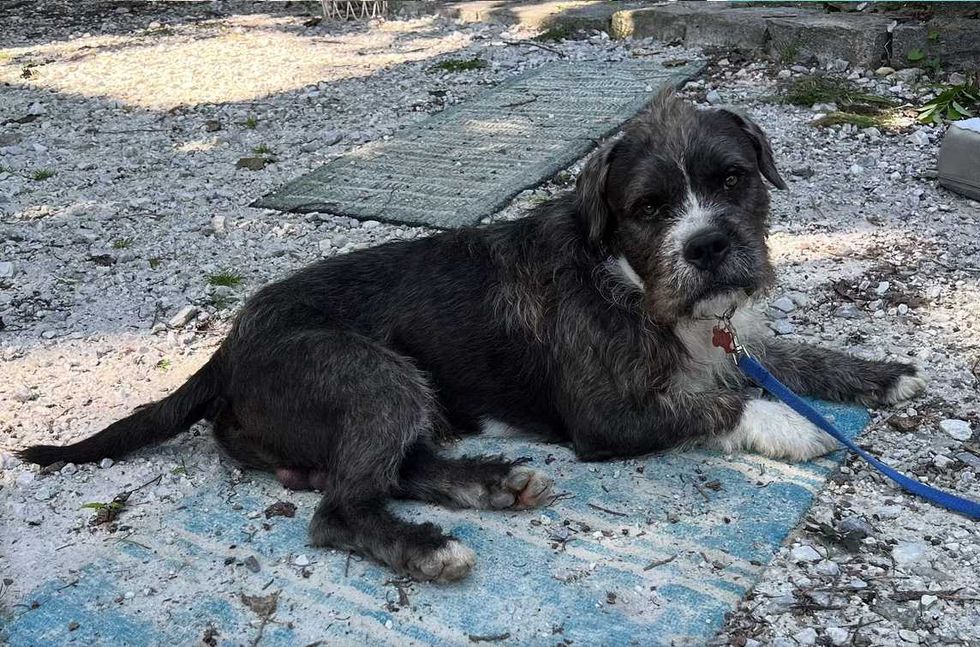 Wesley, a young, exuberant mix, is looking for an active home.L. Tomaino
Meade began rescuing dogs after going to Waterbury to adopt one and learning that, by the end of the three-day weekend, the dogs she was looking at would be euthanized to make room for others.
She went home and started her rescue in New Preston, Connecticut. After five years there, she moved to California, where she rescued dogs from overcrowded pounds for 13 years.
Meade, a busload of dogs and her cat moved back to the Northeast a little more than a year ago.
Ninety-nine percent of the dogs at the rescue come from pounds, both locally and in California and New York City.
“We are more than happy to place dogs with older people, and we are also willing to give support after the adoption,” Meade said, noting that some rescues will not adopt to people over 60.
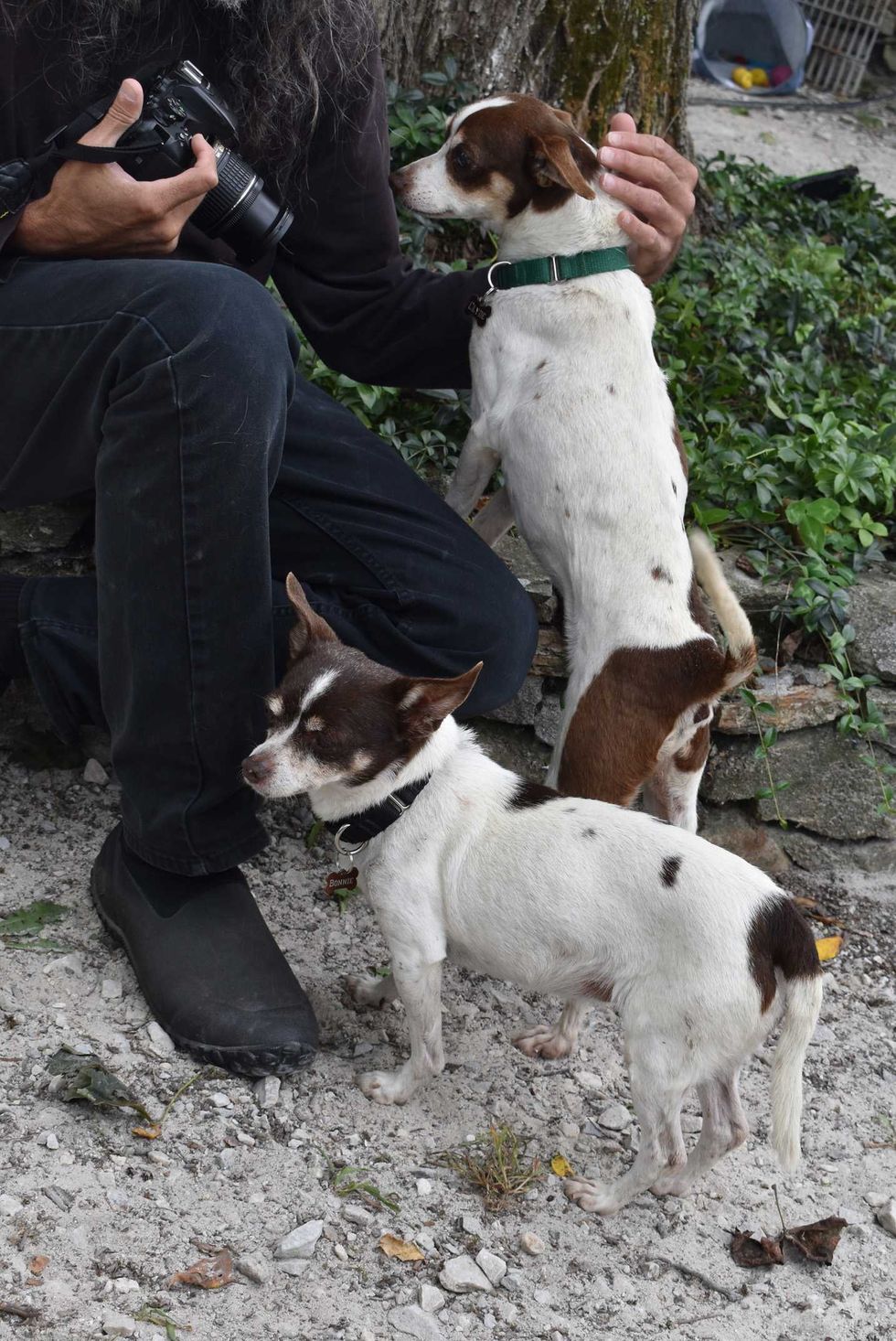 Bonnie and Clyde, an affectionate terrier pair.L. Tomaino
For those who cannot adopt, the rescue needs donations of old blankets, dog and cat food, cleaning supplies, puppy pads and dog treats. Monetary donations are also welcome and can be made through the rescue’s website. Meade also welcomes volunteers to help with the dogs.
Contact Meade at 805-239-4004, 860-866-7986 or 4dots@att.net to arrange a visit or drop off donations. For available dogs and more information, visit meadecaninerescue.org.
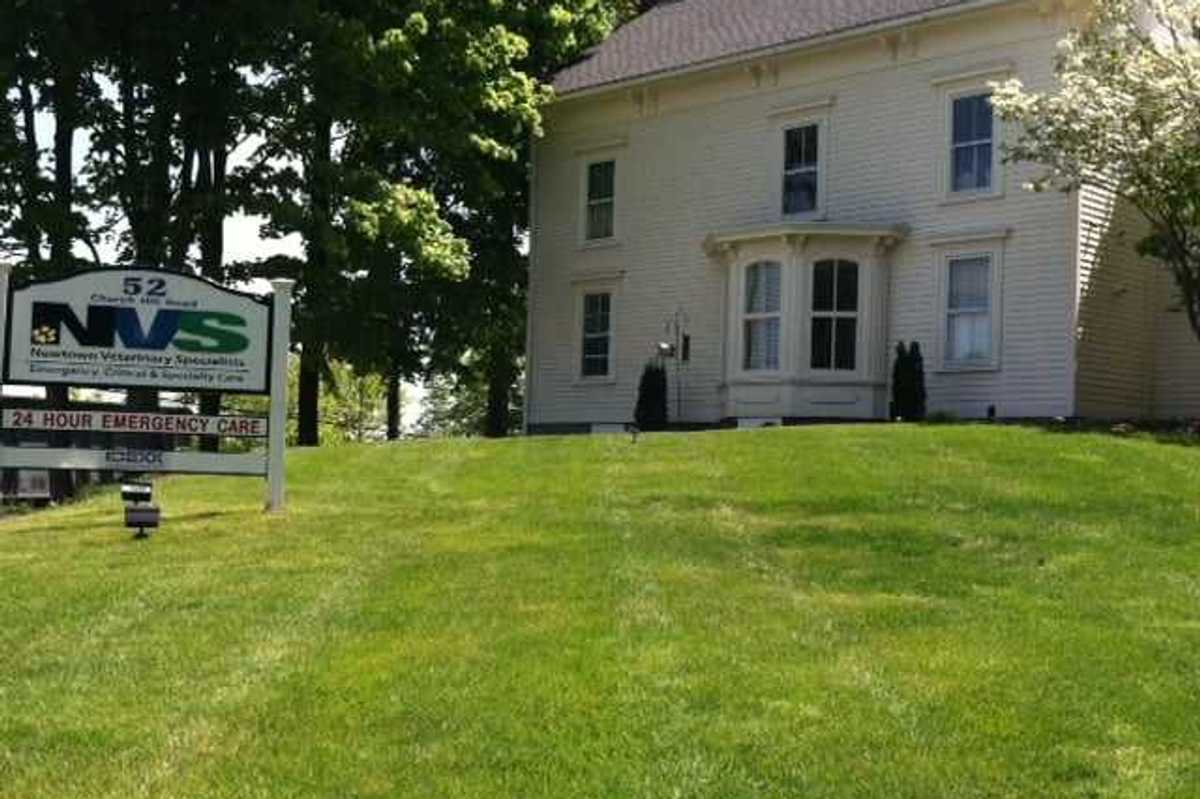
Newtown Veterinary Specialists
For Berkshire County residents, VCA All Caring Animal Hospital, 440 Stockbridge Road in Great Barrington, can be a nearby first call. The full-service hospital offers diagnostics and hospitalization and asks clients with an emergency or a pet requiring immediate attention to call rather than use its online contact form. It is not a 24-hour emergency hospital, however. Current hours are 7:30 a.m. to 5 p.m. Monday through Friday and 8 a.m. to 1 p.m. Saturday. It is closed Sunday. Call 413-528-8020.
Poughkeepsie also has several options for urgent care. Creature Comforts Animal Hospital, 64 Pine St., is a full-service veterinary hospital offering emergency and critical care during regular business hours. The hospital treats dogs and cats as well as birds, reptiles and other exotic pets. Hours are 9 a.m. to 8 p.m. Monday, 9 a.m. to 6 p.m. Tuesday through Friday and 9 a.m. to 2 p.m. Saturday. It is closed Sunday. For after-hours emergencies involving dogs and cats, the hospital refers patients to regional emergency facilities. Call 845-625-2474.
Community Animal Care, 269 Titusville Road, offers urgent and emergency care during operating hours and asks pet owners to call ahead. Regular hours are 8 a.m. to 6 p.m. Monday through Thursday, 8 a.m. to 5 p.m. Friday and 8 a.m. to 1 p.m. Saturday. Urgent care is available daily by calling ahead, with extended hours until 9 p.m. Tuesdays and Thursdays. The practice also offers after-hours veterinary triage by video to help owners determine whether a pet can safely wait or should be taken to a 24-hour facility. Call 845-471-7459.
When an animal needs care in the middle of the night, on a holiday or for a potentially life-threatening condition, the options become more limited.
Guardian Veterinary Specialists, 4 Hardscrabble Heights in Brewster, is a 24-hour emergency and specialty hospital, open seven days a week, 365 days a year. Its emergency department is staffed around the clock, with on-site imaging and laboratory services. No appointment is necessary for an emergency, although calling ahead is encouraged when possible. Call 914-704-3400.
 Provided
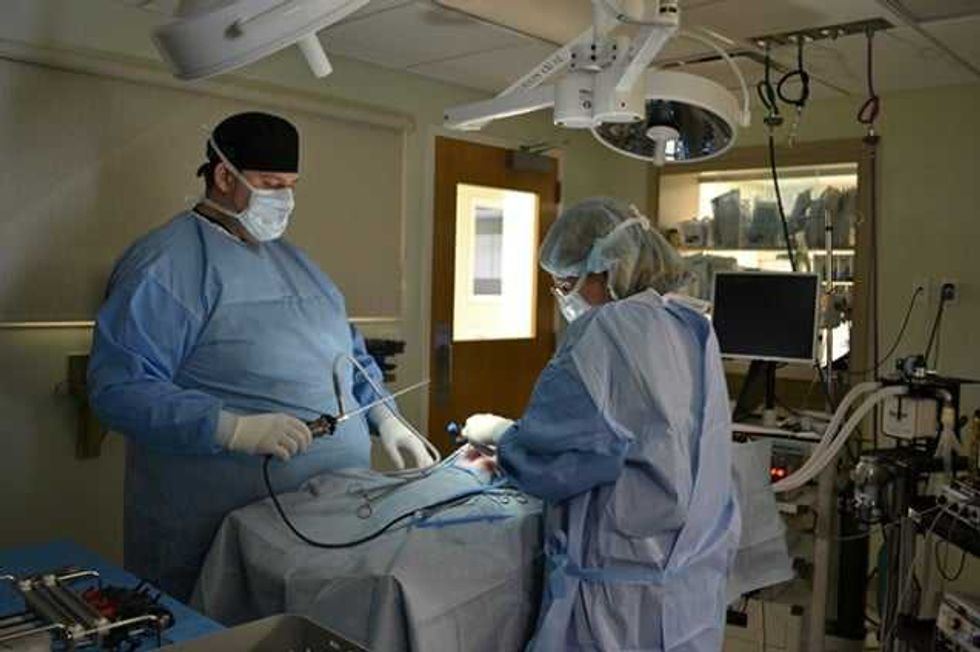
Newtown Veterinary Specialists, 52 Church Hill Road in Newtown, Connecticut, also provides emergency care 24 hours a day, seven days a week, including holidays. No appointment is required for emergency care, although the hospital recommends calling ahead when possible. Call 203-270-8387.
Pet owners should remember that emergency veterinary hospitals operate much like human emergency rooms in that patients are triaged according to the severity of their condition, so animals with less critical problems may have to wait.
The best preparation is simple. Keep the number of your regular veterinarian and at least one 24-hour emergency hospital in your phone, and know roughly how long it will take to get there. If circumstances allow, call before leaving home to confirm where your pet should be seen.
When something goes wrong at 10 p.m. on a Sunday, knowing where you’re headed can make a frightening situation a little less overwhelming.
Want more of our stories on Google? Click here to make us a Preferred Source.