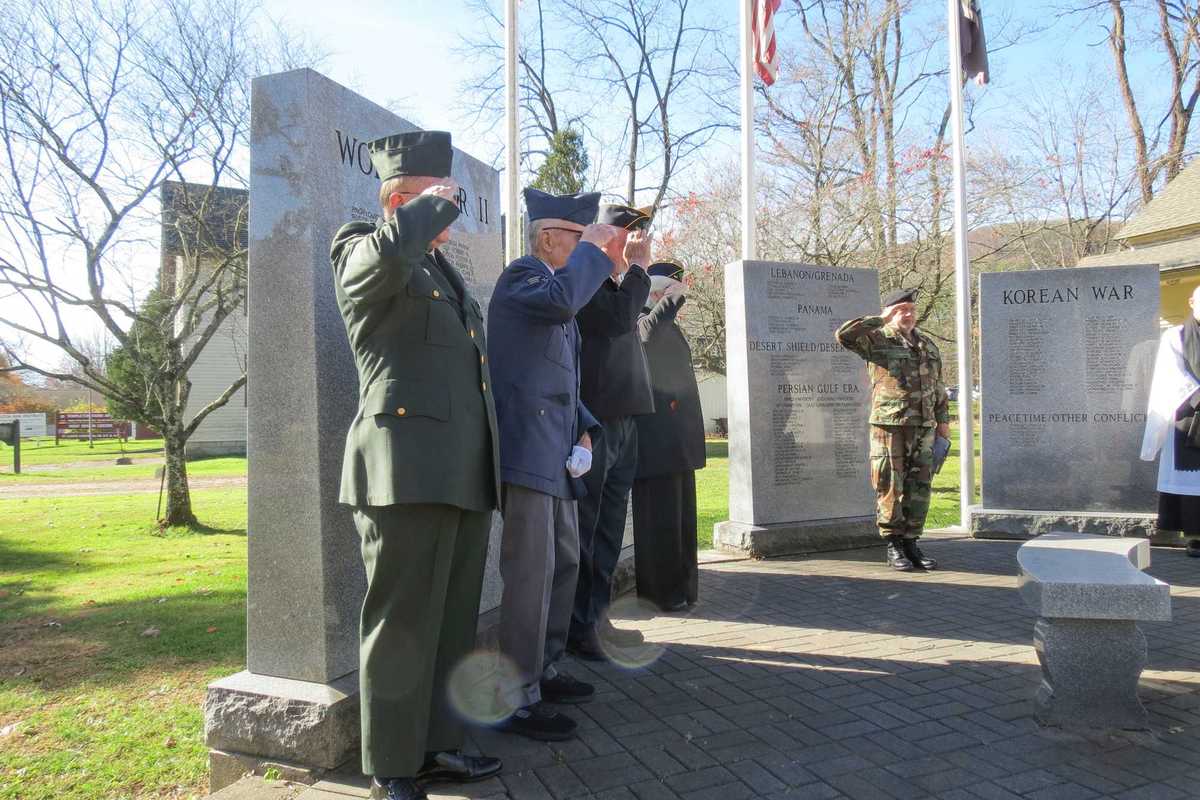
NORTH CANAAN — As the flags from Veterans Day parades are furled and the public tributes fade, veterans in Connecticut’s rural Northwest Corner still face the quieter work of finding care and talking about the pain and anguish they brought home.
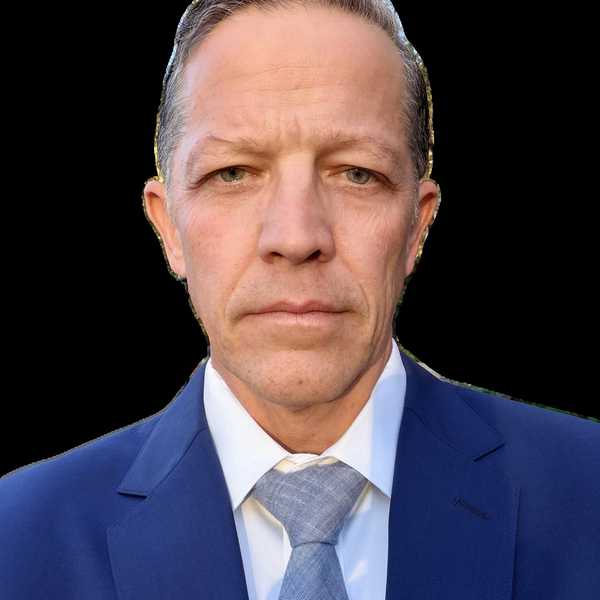
Those challenges can become more acute as winter and the holidays approach, said Keith Appleton, an Army veteran and licensed master social worker at Mountainside Treatment Center.
For veterans who live far from major VA facilities, it can be harder to find out which benefits they qualify for and how to get care, he said. The VA clinic in Winsted offers mental health care and telehealth services.
In North Canaan, members of Couch-Pipa VFW Post 6851 help fellow veterans make, keep and attend VA appointments. At Mountainside, a weekly online support group gives veterans a place to talk about trauma, addiction and life after service.
“When I took command of the Post in 2012, a lot of veterans from the Vietnam War era were still suffering from bad experiences,” said Kirk Harrington, the post’s commander. “I made it my mission to get our membership actively involved in the VA’s post-traumatic stress disorder (PTSD) and mental health initiatives. And not just the veterans, but the entire family.”
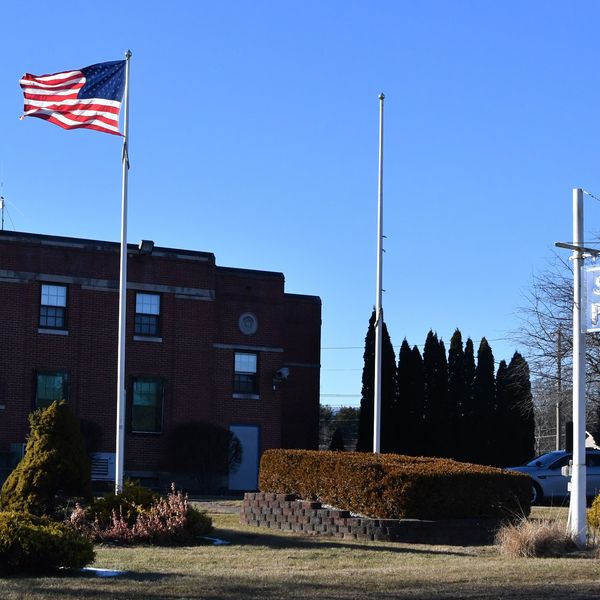
The 172-member post sits off Route 7, with a historic military tank out front. The building had deteriorated by the time Harrington took command. He rallied members to renovate the dining hall and tap room, create an all-wars museum and add a bandstand for community events.
“The goal was to dress it up and make it a welcoming place for veterans and their families to visit,” Harrington said.
The post built relationships with VA providers in Winsted, Newington and West Haven, he said. “We became proud of the fact that we help veterans with making, keeping and attending appointments. And we do it at no cost to them.”
Harrington said that over time, seeing fellow veterans go to counseling encouraged some post members to try it themselves. “They said, ‘If he’s going to counseling, then I should go, too.’”
Nationwide, 6,488 veterans died by suicide in 2024, according to the U.S. Department of Veterans Affairs. About 62% of those veterans received no VA health care in the year they died or the year prior. The figure leaves open whether veterans in that group had health insurance or received care outside the VA.
At the post on Nov. 7, Army veteran Stanley Ralph recalled how much he relied on fellow Vietnam veterans after coming home.
“When we came home, we didn’t get the respect for serving our country,” he said. “So we never talked about the war with anyone outside of fellow veterans. We were our own [support] group.”
Marine veteran David Dodge recalled feeling unwelcome even when he first joined the VFW, where most members at the time had served in World War II or Korea. “I didn’t want to wear my uniform coming home because of how bad it was [viewed] in 1967 when I was discharged,” he said.
Dodge later sought counseling in Winsted. At the post, his service dog, Maya, napped at his feet. “She is always with me,” he said.
Army veteran Rob Derwitsch, who served in Afghanistan from 2010 to 2011, said he has been diagnosed with post-traumatic stress disorder. He recalled working for the Connecticut Department of Transportation during Hurricane Sandy, backing up a truck to dump rocks along the Housatonic River. When someone approached with a camera, he said, the encounter brought back memories of the Taliban filming troops in Afghanistan. He told his boss what had happened and sought counseling.
Appleton said some veterans also struggle with what he calls moral injury. He described it as the guilt, shame or sense of betrayal that can follow experiences that violate a person’s deeply held beliefs. It can accompany PTSD, he said, and may need to be addressed in its own right.
Appleton called on civilian health care providers to ask patients routinely about military service. He said female veterans can be overlooked when providers fail to ask.
Both of Appleton’s grandfathers served, and he recalled how difficult it was to ask them about their experiences.
“It’s entirely about breaking the ice and starting to have those tough conversations,” he said.
For Harrington, the work of reaching veterans and their families continues after the Veterans Day applause ends. Some veterans skip the ceremonies because they bring back painful memories, he said. “But it is so important for them to share their feelings.”
“We are trying to reach those veterans in the nosebleed seats of the Northwest Corner, stretching into the borders of Massachusetts and New York State.”
Veterans support group
Mountainside Treatment Center offers a free, confidential online support group for veterans on Wednesdays from 6:30 to 7:30 p.m.
The group offers peer support around trauma, addiction and life after military service. For more information, visit mountainside.com/veterans/.