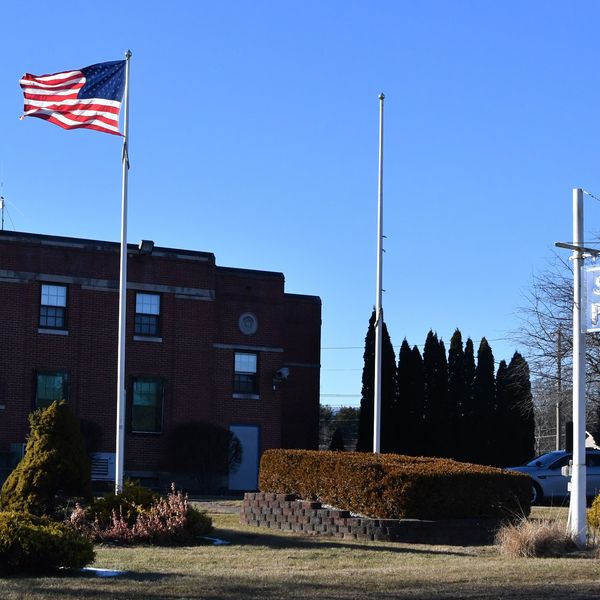
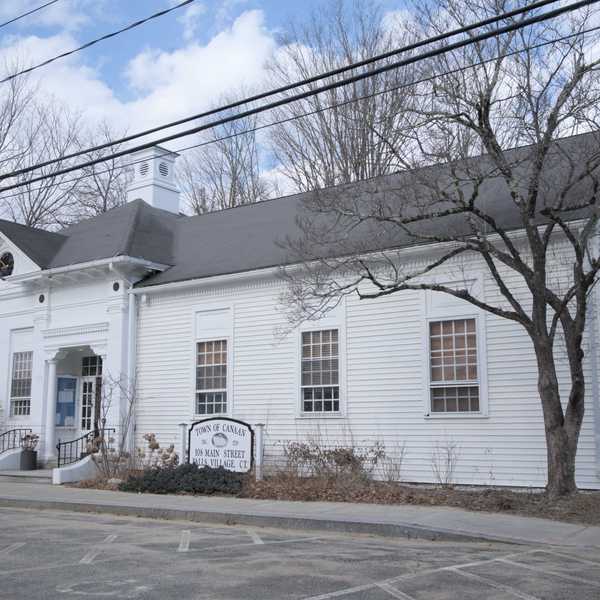
NORTH CANAAN AND CORNWALL — North Canaan’s Planning and Zoning Commission approved a two-year moratorium on data centers and battery energy storage systems after a Nov. 10 public hearing.
Cornwall’s commission scheduled another public hearing for Dec. 8 and plans to vote separately on proposed moratoriums for data centers and battery storage systems.
Several attendees at the North Canaan hearing sought an outright ban on hyperscale data centers, citing concerns about pollution, electricity demand and water use.
“[A data center] is not a long-term investment, whether you get tax breaks and whether it helps our tax situation here… it sucks dry our water,” said Bernie Re of North Canaan, who read from a prepared statement at the hearing.
“I think this is a bigger issue than [North] Canaan, and that we have a good opportunity to actually make a statement that this town and other towns in Connecticut… do not want something like this,” Re said.
Another resident, in a written statement read at the hearing, cited past droughts and warned that a large data center could strain local water supplies.
“I see absolutely no benefit to us in the town of [North] Canaan or any of our surrounding towns to install one of these facilities. We gain nothing,” the resident said.
Residents in both towns raised concerns about Connecticut’s tax incentives for data center developers.
Those incentives include exemptions from sales tax on qualifying purchases and from certain property taxes.
The towns can lift the moratoriums before the two years are up.
Cornwall’s commission raised questions about how much land the facilities might need, how they could affect the town’s scenic character and what effects they could have on public safety, electricity costs and water use.
Data Centers
Large data centers can consume substantial amounts of electricity and use large volumes of water to cool their equipment. Their need for land has led developers to build in small towns across the country.
In an August statement, Allie Finn, director of community partnerships at the AI Now Institute, said the industry’s rapid growth has disproportionately affected rural communities.
The institute, a research and advocacy group that opposes the spread of data centers, supports local moratoriums.
Battery Storage
Battery energy storage systems use banks of batteries connected to the electric grid.
They can charge when demand is low or store electricity generated by wind turbines and solar panels.
When demand peaks, the batteries can feed that power back into the grid, easing strain on the system during heat waves and cold snaps.

 Some residents painted over a Patriot Front sign that had been removed and plan tohang it back up to spread a message of positivity and community.Provided