CORNWALL — On a quiet patch of farmland where West Cornwall’s forested hills roll down toward the Housatonic River, six donkeys lift their heads at the sound of approaching footsteps. Their long ears twitch. Their breaths plume in the frigid air.
The soft brays that greet visitors to Trinity Retreat Center have become part of the landscape here — a warm, familiar sound that carries across the snow-covered fields as December settles in.
The 55-acre spiritual retreat and conference center offers space for rest, reflection and prayer.
For Trinity’s staff, volunteers and the thousands who pass through the retreat center each year, these rescued donkeys have become far more than barn residents guarding the center’s flock of 32 chickens from predators.
They are companions, teachers and symbols of resilience. And at Christmastime, they serve as a living reminder of the season’s most enduring themes: humility, hope and the beauty of second chances.
“The donkeys have an incredible intuition,” said Jason Coppola, director of the retreat center. “They can feel a person’s energy and when they sense people are in need, they tend to gravitate towards them.”
The donkeys, which today live peacefully in West Cornwall, did not begin their lives in such calm surroundings. Their histories, while varied, share a somber thread: all were rescued from kill pens, the last stop for animals before being shipped for slaughter overseas. Donkeys, especially, are at risk because their hides are used to produce a gelatin-based traditional medicine.
Eight years ago, Trinity’s leadership learned that a group of donkeys had been saved from these conditions and were in immediate need of placement. What began as a simple sheltering effort quickly grew into something deeper.
“They arrived frightened, confused and unsure of people,” Joseph Rose, the center’s former co-director who rescued the donkeys, said in an interview conducted shortly after their arrival.
“They had good reason. But one of the most beautiful things has been watching them learn to trust again.”
Some donkeys were severely underweight, including two that were later found to be pregnant. Others arrived with untreated injuries or chronic hoof problems. With patience, veterinary care and daily interaction from staff and volunteers, the animals gradually emerged from their fear.
As the donkeys healed, their presence began to shape the experience of the people who come to the retreat center seeking rest and reflection.
“A lot of our retreatants are generally here to help process through things and try new things,” said Laura Alexander, the retreat center’s facilities and farm manager who has tended to the donkeys since shortly after their arrival.
Today, each donkey — Marge, Lisa, Maggie, Fern, Francine and Buster — has a distinct personality. The gentle one that prefers long quiet walks, the inquisitive one that nudges visitors for scratches, the matriarch that keeps watch over the herd, the youngster that still bounds with playful energy.
On a recent weekday in early November, Keri LaBella of Worcester, Massachusetts, and about two dozen others on a women’s retreat visited the donkeys during early afternoon feeding time as part of the farm tour. As daylight dwindled, she made a solo return,
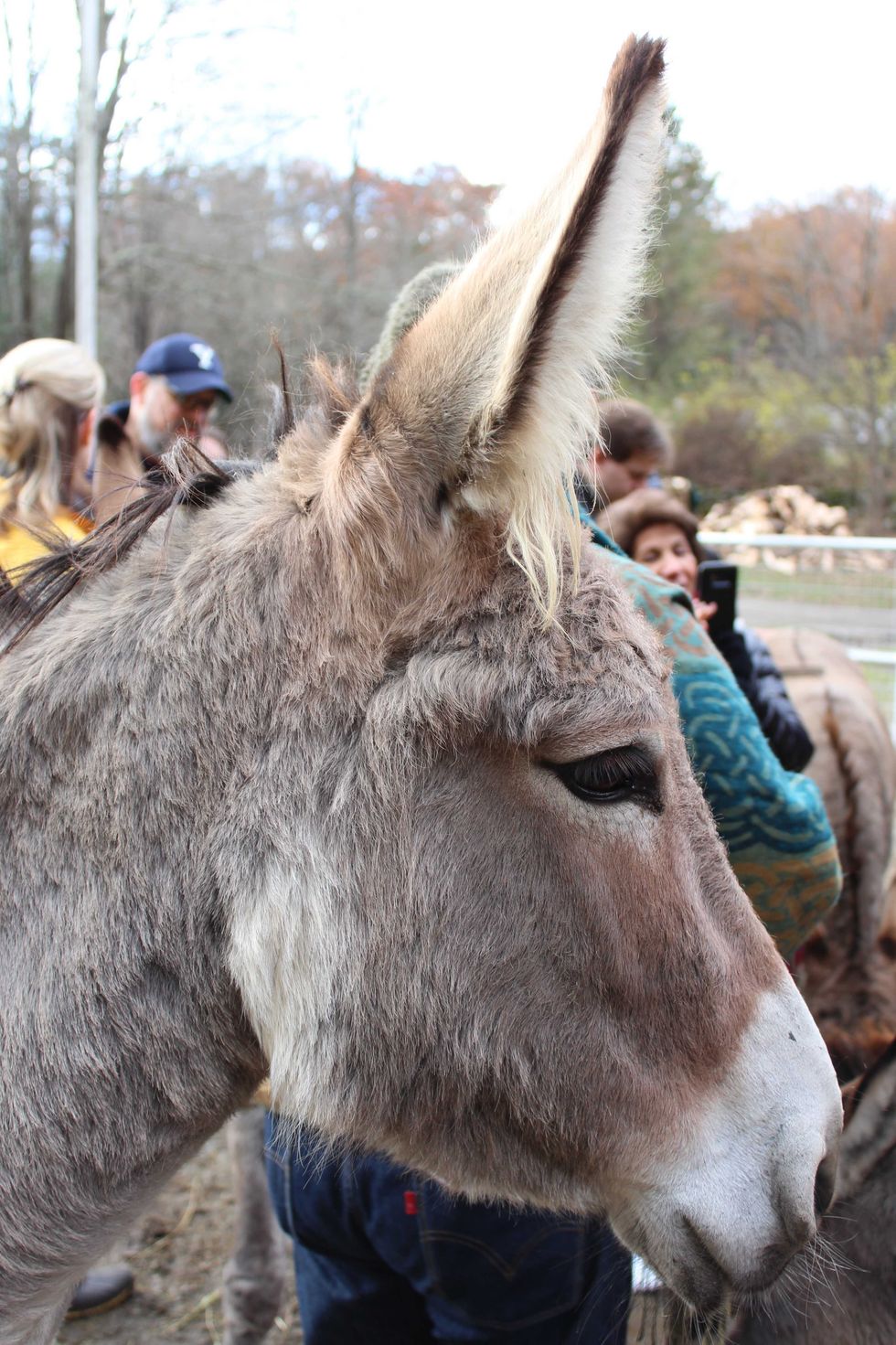 Participants are encouraged to mingle with the donkeys.Debra A. Aleksinas
While stroking the ear of a donkey that had leaned in toward her, LaBella noted that in an era when holiday celebrations can feel rushed and commercialized, this quiet ritual, still, earthy and unadorned, offers something rare: presence. “It’s difficult not to feel something soften inside you.”
She said she feels connected to the donkeys “because they are a lot like me. You really can’t make them do something they don’t think is safe. They’re smart, curious and they love a challenge. And I just love the story of their rescue.”
Visitors of all ages, whether on retreat or neighbors in Cornwall, are invited to join daily donkey care sessions like brushing, walking, offering hay and fresh water and learning the animals’ rescue stories.
“One guest spent all day with the donkeys,” helping with feeding and brushing the animals’ coats, recalled Coppola, who lives on the property a stone’s throw from the barn.
Children visiting from the city, he explained, are so enamored by the experience that many of them return as volunteers.
“It’s wonderful to see the long-lasting impression they have interacting with the donkeys,” said Coppola of the visitors.
For children, meeting the donkeys is often a highlight of their stay.
For adults, the effect can be surprisingly emotional. Some visitors have shared that time with the donkeys helped them through grief, burnout or difficult transitions.
At Trinity, these moments are not separate from the spiritual experience — they are part of it.
‘An amazing 2025’
As of early December, there was no room at the center. Coppola said all 25 guest rooms were booked into the new year.
“It’s been an amazing 2025 and we expect 2026 to be even better. People come here and they leave a different person. It’s incredible what a difference we make in their lives.”
Alexander attributed the global pandemic to a lack of connection, impacting people’s body and soul.“A lot of people come to reconnect with God, themselves and the community. The relationship they have with the donkeys,” she said, “parallels people’s relationships with one another.”
With Christmas’ arrival in the Northwest Corner, the Trinity donkeys stand in their barn, warm against the winter wind, offering, simply by being themselves, a message the season has always shared: peace for the weary, hope for the searching and comfort for every traveler who steps inside.


 Pay Bill for Robin Starr’s service in the Continental Army.Courtesy the Alex Breanne Corporation
 John Mills speaking at Quinnipiac University.Courtesy the Alex Breanne Corporation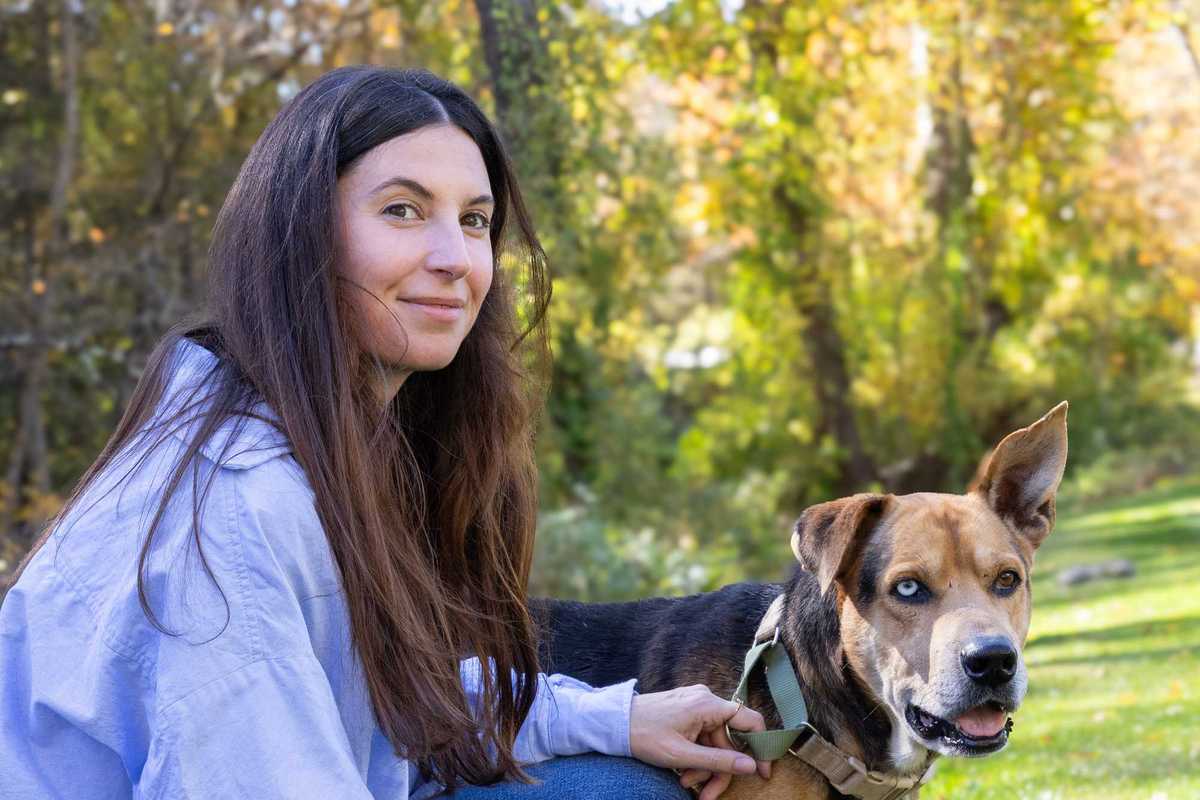
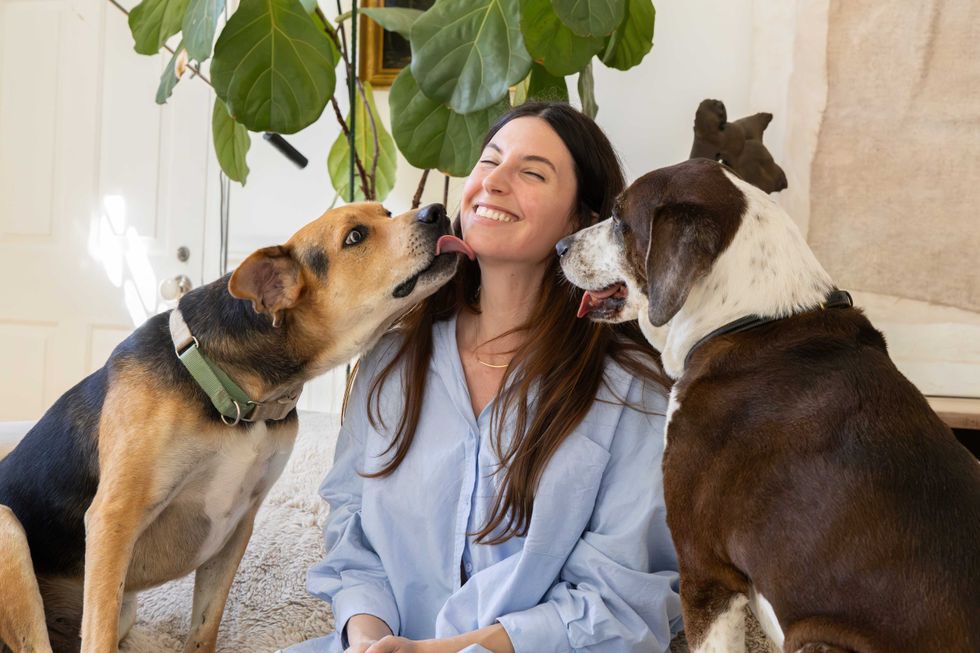 Stephanie Saetta,with her rescue dog George and Blue (left), a shepherd mix awaiting his forever home.Madi Long
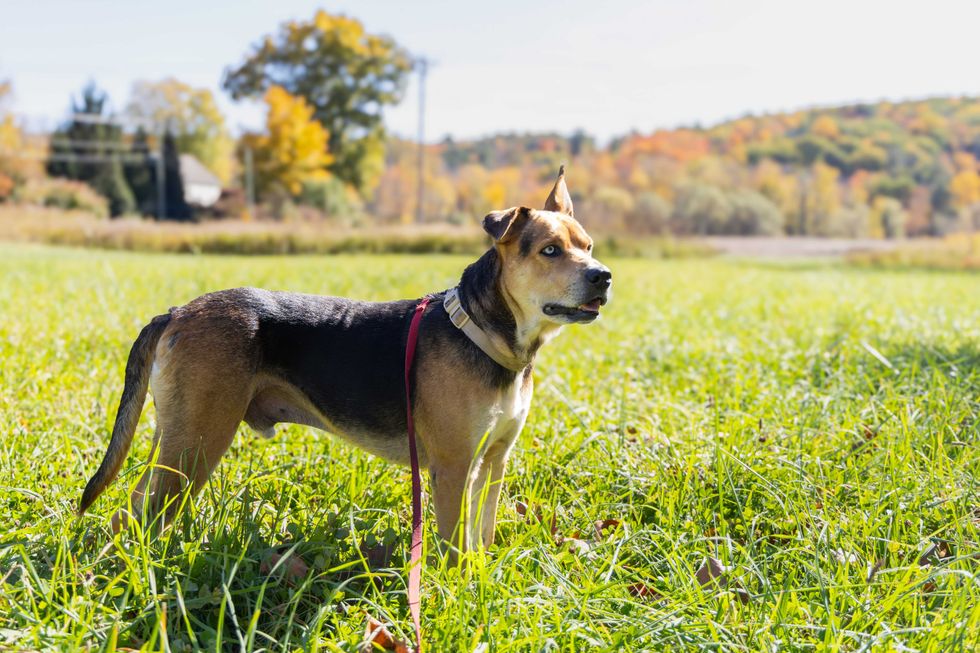 Blue, a 7 year-old Shepard mix, is waiting for his forever home. Madi Long