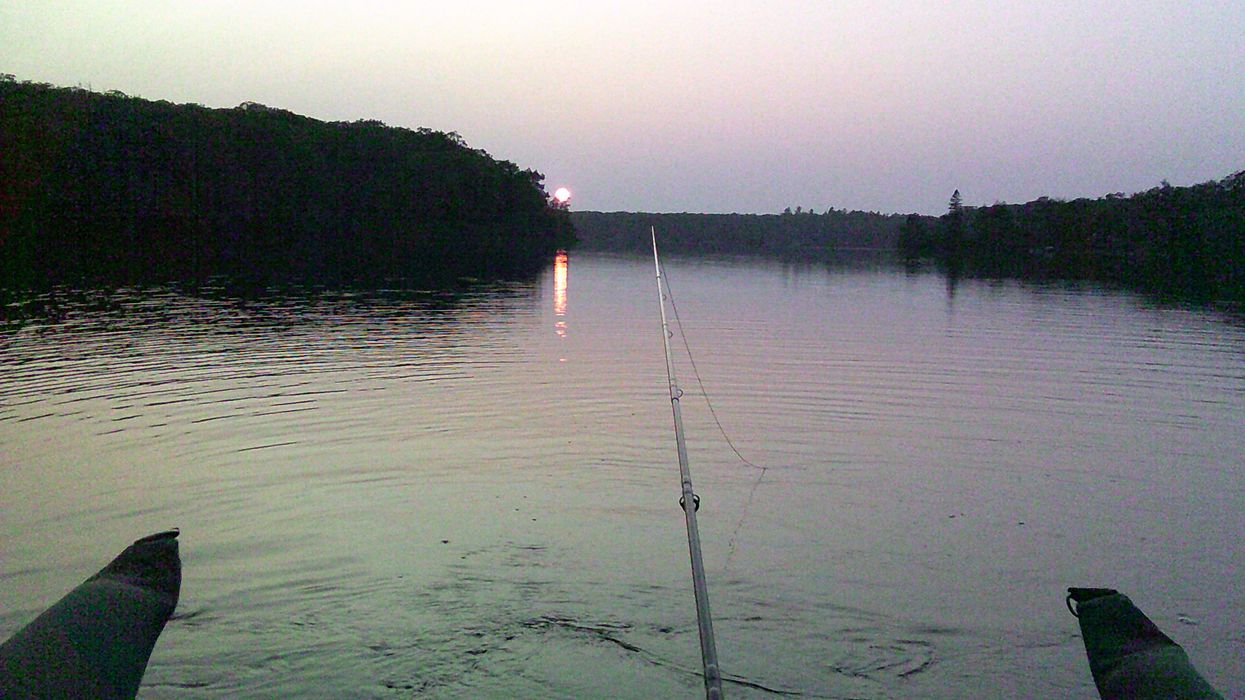
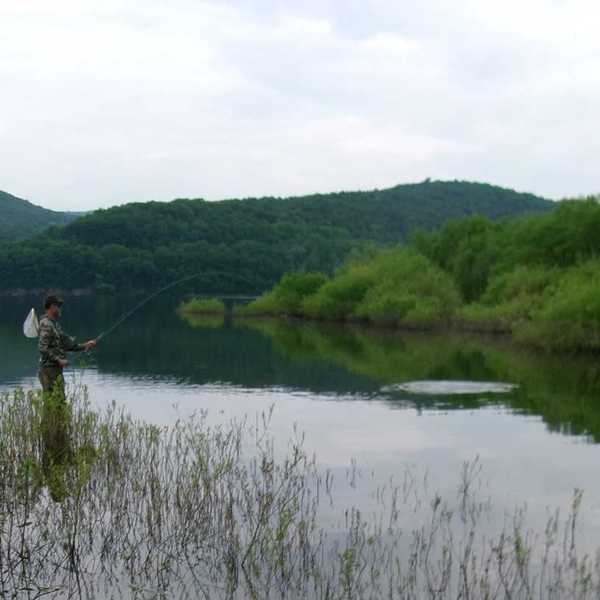
Ispent August floating around a warmwater lake annoying largemouth bass, primarily. There were a few smallmouth in the mix, plus the odd pickerel, bluegill and perch.
But the main event involved largemouth bass.
After playing around with various alternatives I relied mostly on a 10 foot 7 weight rod with a short sink tip and a 9 foot 8 weight rod for surface fishing, which was lousy.
It might have something to do with the blistering heat. The lake is not particularly deep, 10 to 20 feet most of the way, and even at dawn surface water temperatures were at or near 80 degrees Fahrenheit.
Even bass draw the line somewhere.
My theory is they simply won’t expend the energy to come to the surface if they can’t breathe when they get there.
So almost everything worth catching was caught subsurface.
Feeling experimental, I tried using an abbreviated nylon leader. It started out as a 7 foot leader, tapered to 1X.
I immediately cut off two feet and added back two feet of 1X fluorocarbon tippet, with a dropper. I tied the dropper long because I then attached a small swivel and clip, reasoning that a) the extra weight wouldn’t hurt and b) it’s a lot easier than retying everything all the time. I put another, larger swivel and clip on the end of the leader.
I wasn’t sure if chucking all this hardware would work or just result in endless tangles. It took a little getting used to but soon enough I was working two streamers, big, small, weighted and unweighted, in different combinations without any real problems.
There were some highlights. One came when someone relaxing on a dock one evening said to his pal “Fly-fishing a lake like this is a waste of time.”
Sound travels over water and I heard this clearly from the other side of the lake.
For once the planets were aligned. No sooner had this statement echoed away than there was the kind of weird tug on the line that means there are two fish attached, both swimming in different directions.
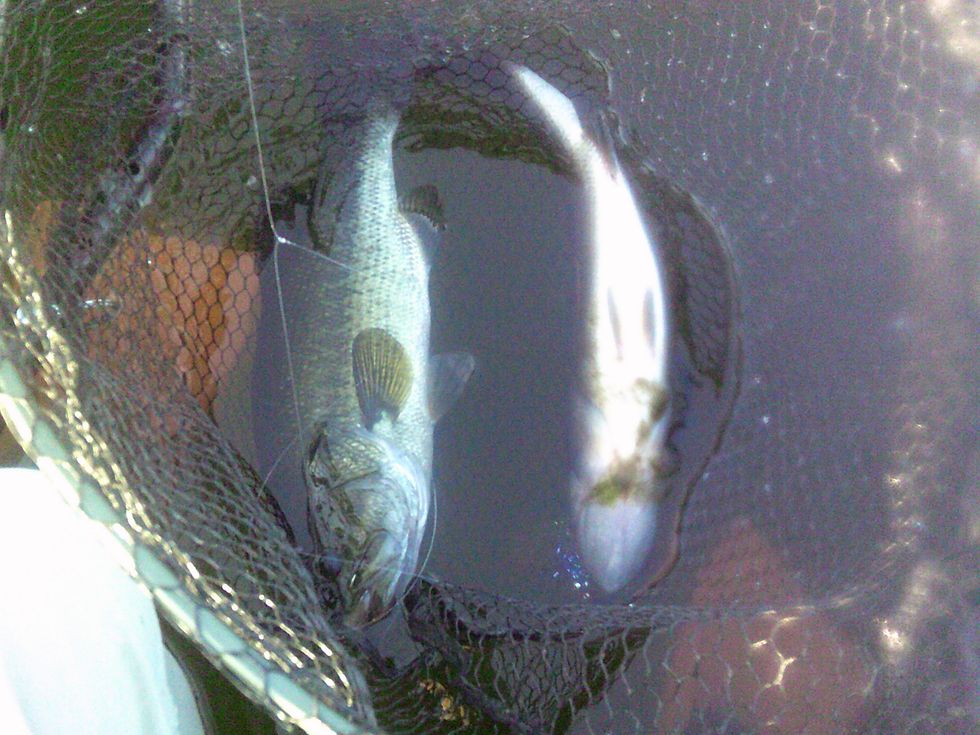 If you fish two flies at a time, you have to consider the possibility of catching two fish at a time.Patrick L. Sullivan
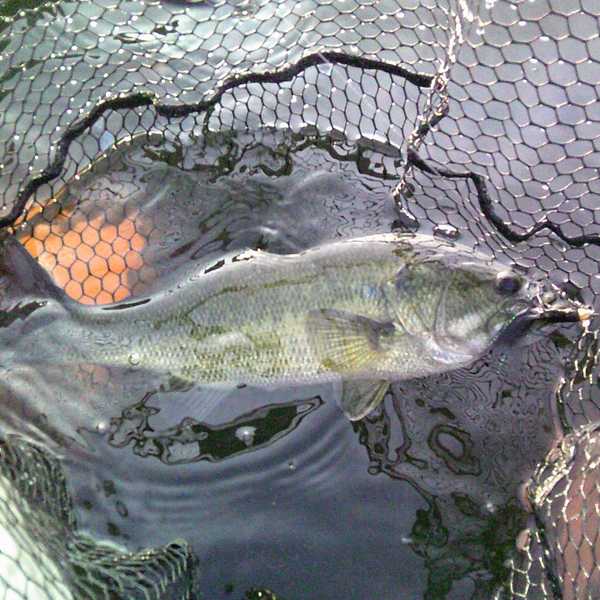
I wound up with about five pounds total of largemouth.
I held the net up so Mr. Smarty Pants could see but the mosquitoes had chased him inside.
Here’s a tip. If you’re fishing two flies at once and get a double, detach the bottom fish first. If you release the one on the dropper first, you then have a fly swinging wildly around as you deal with the fish on the bottom.
The fly will hook something. If you’re lucky it will be clothing. If you’re not lucky, your hand or leg.
Ask me how I know this.
It was a relaxing kind of routine. No pressure, no urge to see what is around the next bend. I’ve been fishing this lake for decades now and it’s predictable.
Then back up to camp for the frugal meal and a book read by kerosene lantern, with the Mets fading in and out on the AM radio.
All in all, fairly idyllic.
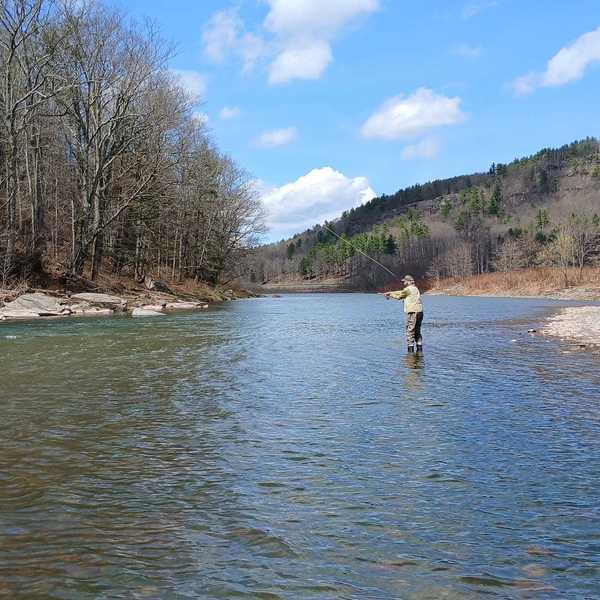
But there is a distinct whiff of autumn in the air as I peck this out on Aug. 26. That means that Tangled Lines will be shifting westward soon for Catskill trout fishing adventures.
Coming up: Trout Spey fishing. I have no idea what it means but that’s what I will be learning.
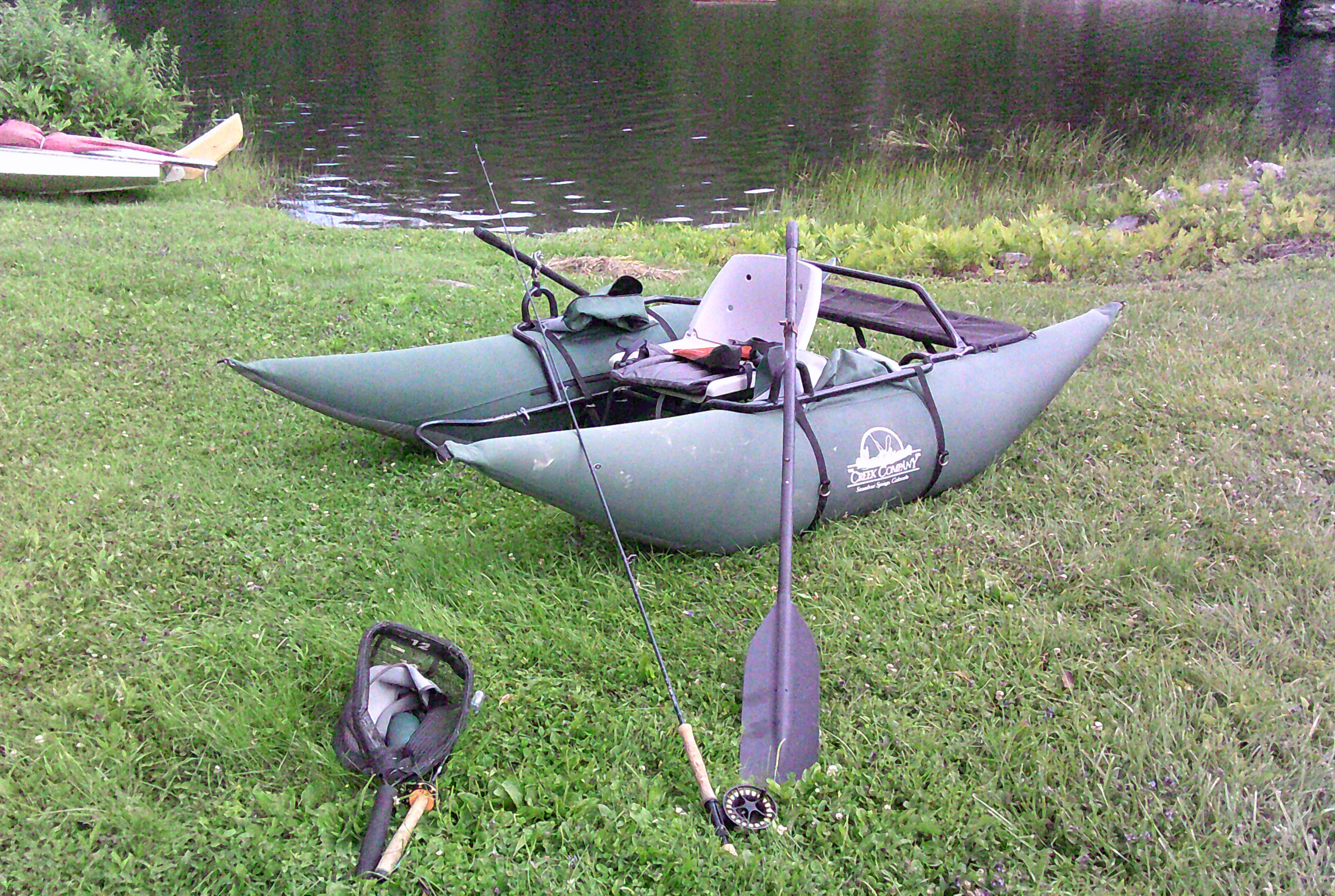 The pontoon boat is essentially a floating chair, propelled by oars and/or swim fins. I had another one going for a while but it blew a seam and my buddy had to beach it in a hurry.Patrick L. Sullivan

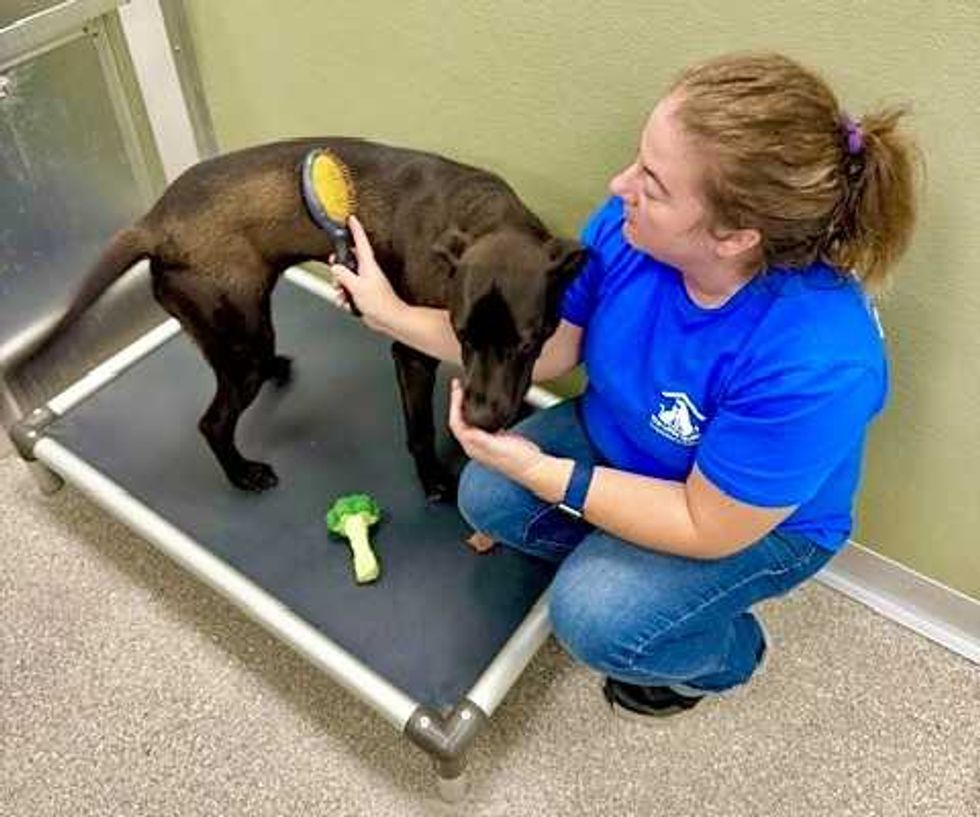 Tiffany Lemelin, shelter manager, brushing Marsala upon arrival.Provided
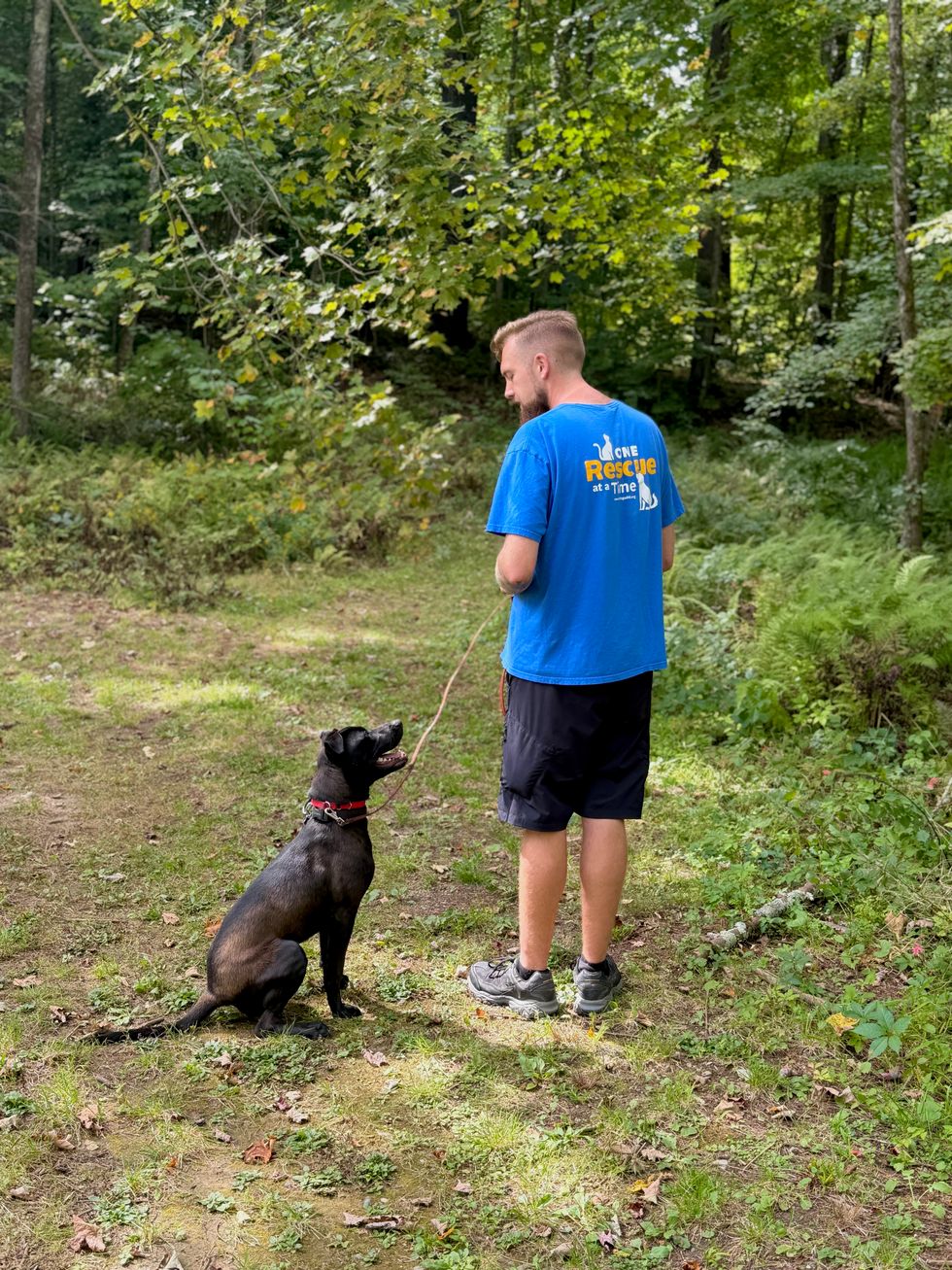 Michael DeBarba, certified dog trainer working with Marsala.Jennifer Almquist
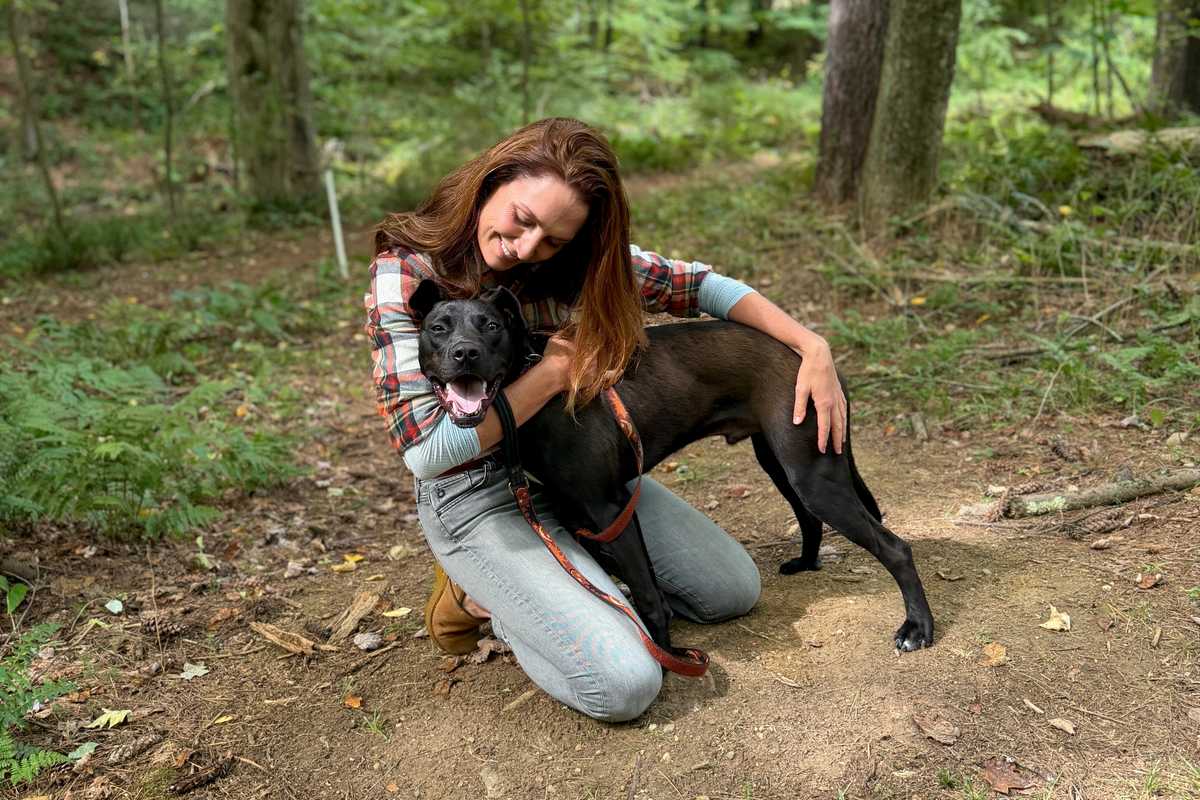 Marsala wins a heart.Jennifer Almquist
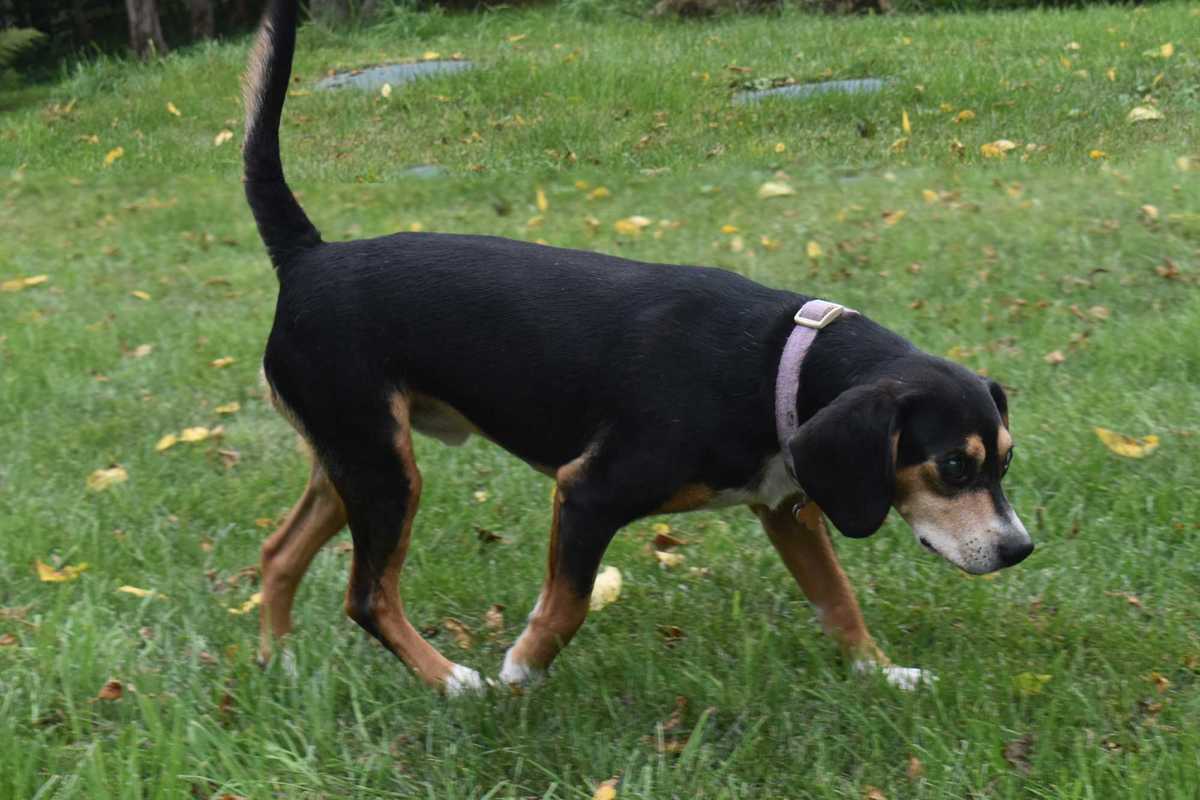
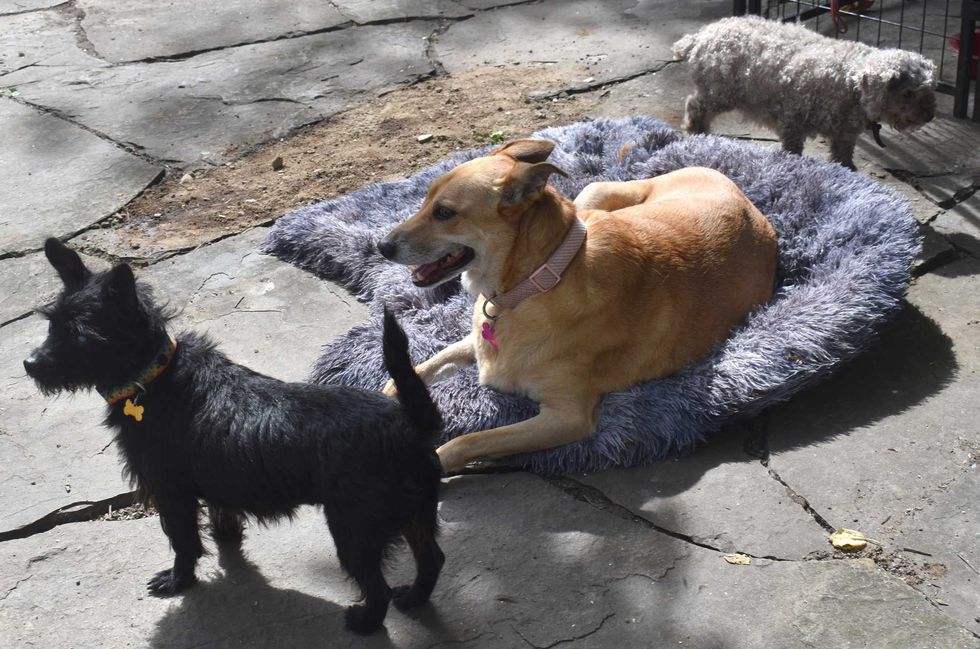 Sadie, center, a Carolina dog, plays with her friend Negra, a terrier mix. Bella Linda, the small poodle, has since been adopted.L. Tomaino
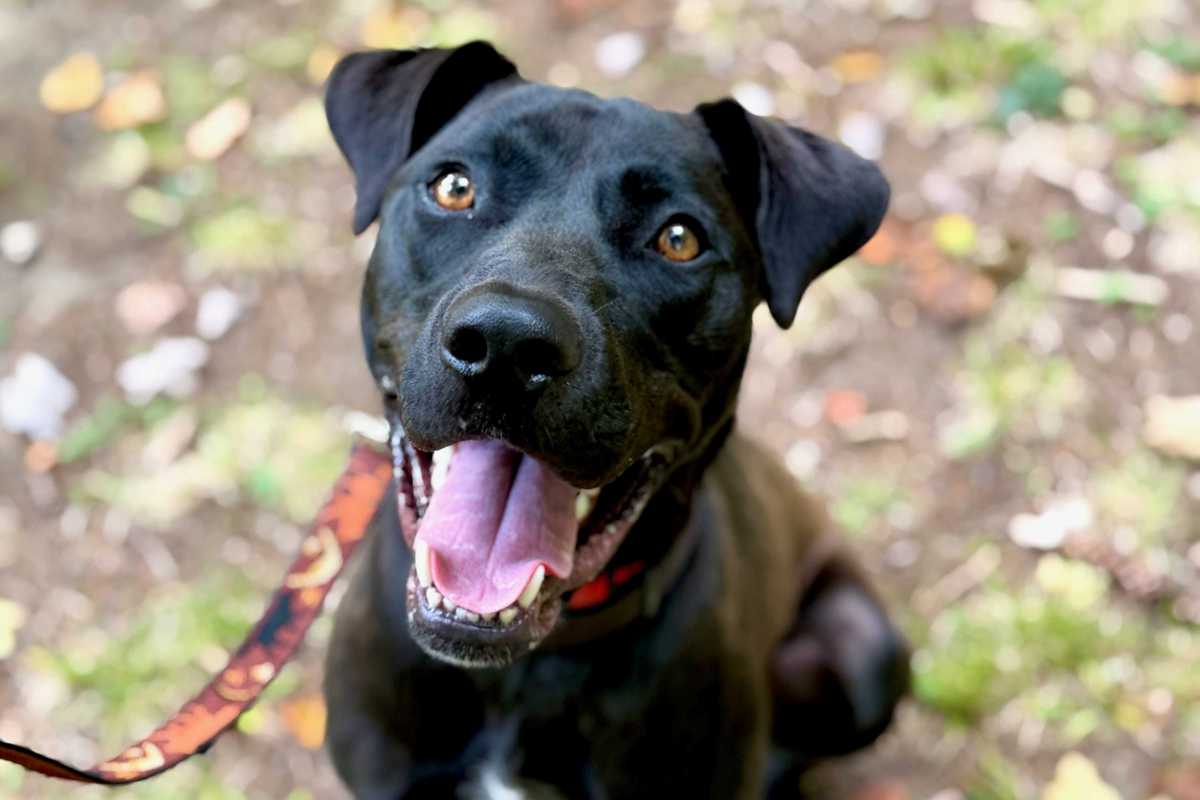
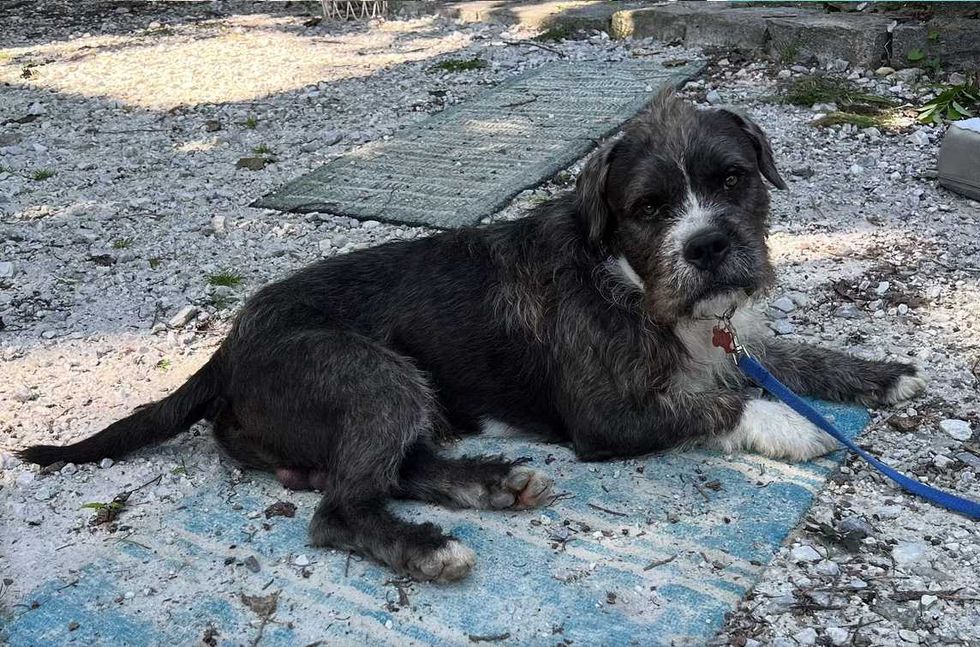 Wesley, a young, exuberant mix, is looking for an active home.L. Tomaino
 Bonnie and Clyde, an affectionate terrier pair.L. Tomaino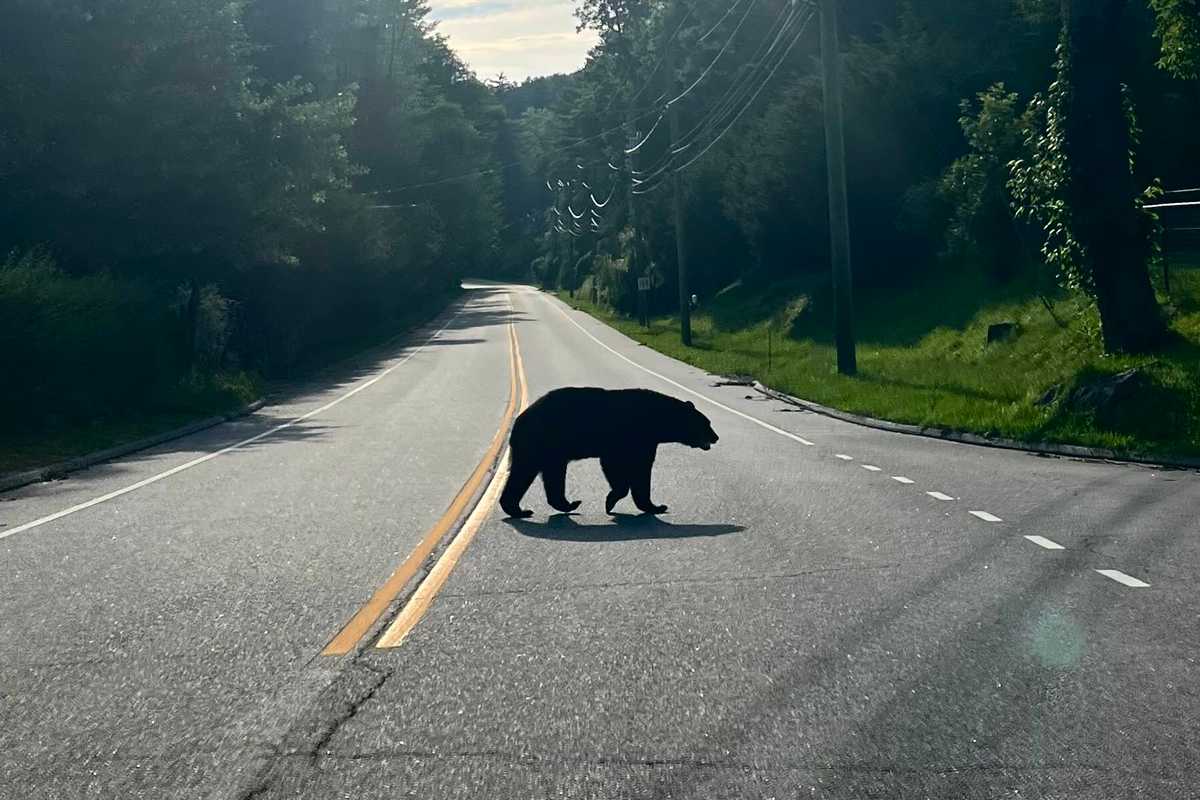

 Provided