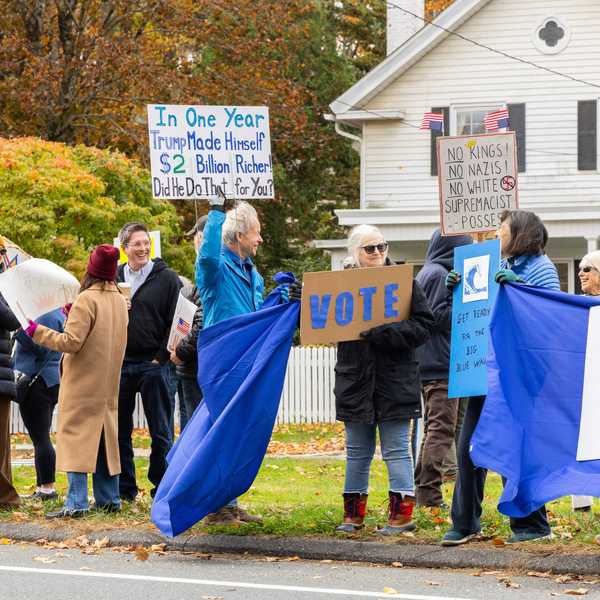
The fatal shooting of Alex Pretti, and before him Renée Good, by federal agents in Minnesota is not just a tragedy; it is a warning. In the aftermath, Trump administration officials released an account of events that directly contradicted citizen video recorded at the scene. Those recordings, made by ordinary people exercising their rights, showed circumstances sharply at odds with the official narrative. Once again, the public is asked to choose between the administration’s version of events and the evidence of its own eyes.
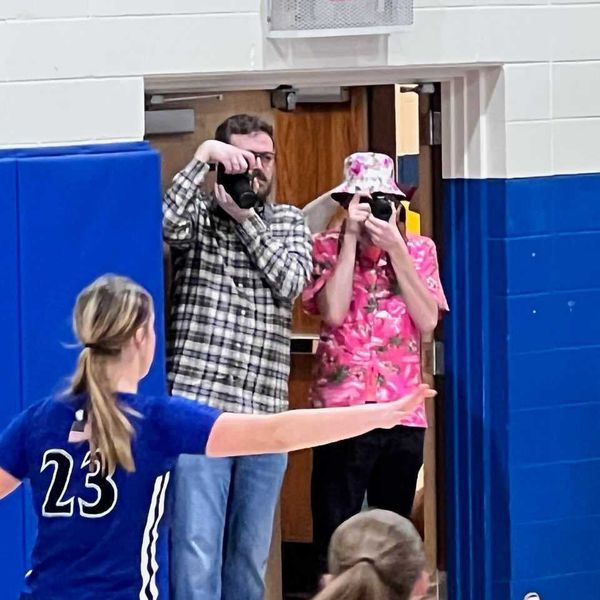
This moment underscores an essential truth: the right to record law enforcement is not a nuisance or a provocation; it is a safeguard. As New York Times columnist David French put it, “Citizen video has decisively rebutted the administration’s lies. The evidence of our eyes contradicts the dishonesty of the administration’s words.”
Separately, law enforcement agencies across the country are expanding their capacity to watch the public. Here at home, as we’ve reported, Dutchess County’s Real Time Crime Center brings together feeds from automated license-plate readers, including systems provided by Flock Safety, allowing police to track vehicles across jurisdictions in real time. These tools collect detailed movement data on vast numbers of people who are not suspected of any crime, often with limited public discussion of safeguards or oversight.
When citizens document state power, they are told to step back or trust official explanations. When the state documents the public, continuously and at scale, it is framed as efficiency. One form of observation is treated as suspect; the other as routine.
What magnifies the alarm in the Minnesota shootings isn’t just the loss of life, but the response that followed. Federal force was used against members of the U.S. public, and officials responded not with clarity or accountability, but with statements that collapsed under visual evidence. That willingness to lie, and to do so reflexively, signals a deeper problem: an administration increasingly willing to treat truth as an obstacle rather than an obligation.
A democratic society depends on shared facts. The right of citizens and journalists to observe, record and document matters because it anchors truth in evidence, not authority. That right is not a threat to public safety. It is among the few remaining tools the public has to insist that power remains answerable to the truth.

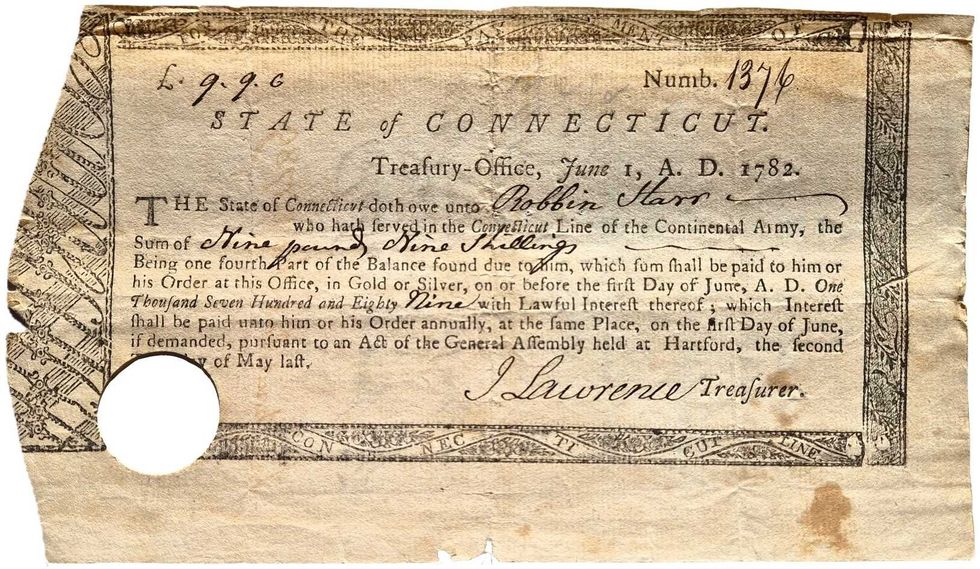 Pay Bill for Robin Starr’s service in the Continental Army.Courtesy the Alex Breanne Corporation
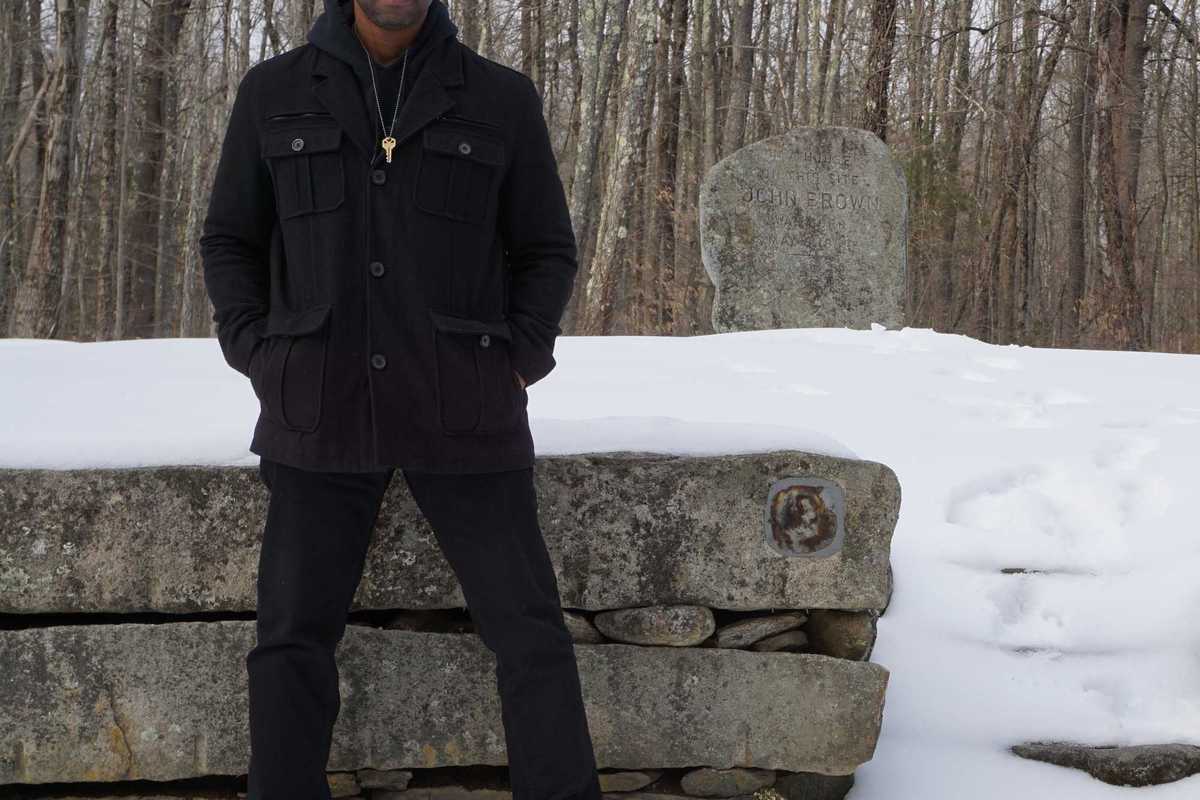
 John Mills speaking at Quinnipiac University.Courtesy the Alex Breanne Corporation
 Stephanie Saetta,with her rescue dog George and Blue (left), a shepherd mix awaiting his forever home.Madi Long
 Blue, a 7 year-old Shepard mix, is waiting for his forever home. Madi Long