Workforce diversity for green jobs

Dear EarthTalk: What’s being done to get more minorities into green jobs? — Sam W.

Green jobs—those that directly contribute to a sustainable environment—have been growing in need as the world has become more eco-focused. According to the Solar Energies Industries Association (SEIA), between 2014 and 2019 employment in the solar energy sector increased five times faster than job growth in the general U.S. economy.

Despite this, there is still more to be done to improve workforce diversity. The National Renewable Energy Laboratory reported that 69 percent of the wind energy work force is white, and SEIA found that its workforce is 73 percent white. There is a clear lack of diversity in the green jobs workforce, often due to an underrepresentation of minorities trained in leadership roles, wage gaps unequal hiring practices. Lucky, there are a few ways to address this problem.

The first solution is advancing access to training and degrees required for green jobs. Engineering jobs require bachelor’s degrees, but in 2022 only a quarter of engineering bachelor’s degrees were earned by women, and in 2018 only 4.6 percent were earned by Black people. In order to create a more diverse workforce, companies should offer financial aid for higher education and create real-life, research experiences designated for women and people of color.

Jobs that do not require degrees, such as repair, maintenance and construction, are covered by unions, though while unions generally protect workers’ rights and improve working conditions, they have a history of being exclusionary. Unions can implement new programs and policies, such as mentorship programs, to increase minority representation and improve worker skills.

EarthTalk® is produced by Roddy Scheer & Doug Moss for the 501(c)3 nonprofit EarthTalk.

The views expressed here are not necessarily those of The Lakeville Journal and The Journal does not support or oppose candidates for public office.

Latest News

‘Elie Wiesel: Soul on Fire’ at The Moviehouse
Filmmaker Oren Rudavsky
Provided

“I’m not a great activist,” said filmmaker Oren Rudavsky, humbly. “I do my work in my own quiet way, and I hope that it speaks to people.”

Rudavsky’s film “Elie Wiesel: Soul on Fire,” screens at The Moviehouse in Millerton on Saturday, Jan. 18, followed by a post-film conversation with Rudavsky and moderator Ileene Smith.

Keep ReadingShow less
Marietta Whittlesey on writing, psychology and reinvention

Marietta Whittlesey

Elena Spellman

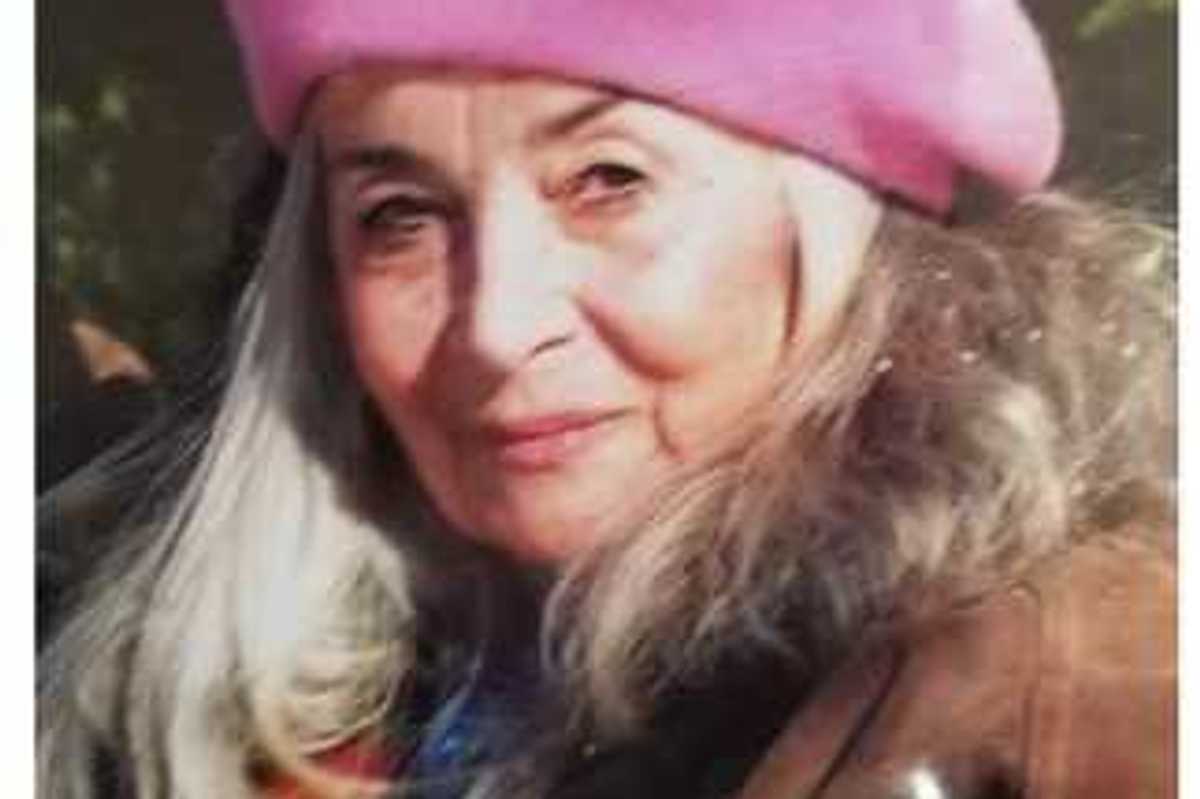
When writer and therapist Marietta Whittlesey moved to Salisbury in 1979, she had already published two nonfiction books and assumed she would eventually become a fiction writer like her mother, whose screenplays and short stories were widely published in the 1940s.

“But one day, after struggling to freelance magazine articles and propose new books, it occurred to me that I might not be the next Edith Wharton who could support myself as a fiction writer, and there were a lot of things I wanted to do in life, all of which cost money.” Those things included resuming competitive horseback riding.

Keep ReadingShow less
From the tide pool to the stars:  Peter Gerakaris’ ‘Oculus Serenade’

Artist Peter Gerakaris in his studio in Cornwall.

Provided

Opening Jan. 17 at the Cornwall Library, Peter Gerakaris’ show “Oculus Serenade” takes its cue from a favorite John Steinbeck line of the artist’s: “It is advisable to look from the tide pool to the stars and then back to the tide pool again.” That oscillation between the intimate and the infinite animates Gerakaris’ vivid tondo (round) paintings, works on paper and mosaic forms, each a kind of luminous portal into the interconnectedness of life.

Gerakaris describes his compositions as “merging microscopic and macroscopic perspectives” by layering endangered botanicals, exotic birds, aquatic life and topographical forms into kaleidoscopic, reverberating worlds. Drawing on his firsthand experiences trekking through semitropical jungles, diving coral reefs and hiking along the Housatonic, Gerakaris composes images that feel both transportive and deeply rooted in observation. A musician as well as a visual artist, he describes his use of color as vibrational — each work humming with what curator Simon Watson has likened to “visual jazz.”

Keep ReadingShow less