Recently a young friend exclaimed to me “Why do we have Labor Day anyway?”I found myself rebutting his genuine query with “Don’t you remember the dastardly working conditions of the 1800’s onward with the rising Industrial Revolution?” Of course he didn’t – most don’t.
The Department of Labor, so far still in existence, defines Labor Day’s purpose: “to honor the American labor movement and the works and contributions of laborers to the development and achievements within the United States.”Internationally, labor day has been celebrated since 1886, as International Labor Day or May Day to honor workers and support worker rights.
In the US, the First Labor Day was celebrated with a parade and festivities in 1882, in New York City. State up state followed with Labor Days, until 1894, when a particularly violent Pulman’s Strike shut down all rail traffic West of Chicago from May through July. The strike included 250,000 workers and boycotters in the Pulman factory as well as those staffing trains -30 were killed, 57 wounded.The Strike ended with an injunction upheld by the Supreme Court favoring the owners - the strikers were defeated -crushed by federal troops. To quell massive negative response, Grover Cleveland, then President, immediately asked congress to pass bill S.730 making Labor Day a public holiday. – a celebration of workers (it wasn’t fully public until the 1930’s, initially covering only federal workers.)
Union protests continued for decades demanding an 8-hour working day, a 5-day work week and illegality of child labor – many labor/management conflicts in the late 1800’s and early 1900’ were violent. The initial demands of workers and their unions was for shorter work days, upgrading harsh to dangerous work conditions (ventilation, railings, safety gear), steady wages, ceasing child labor.Work days were 10-16 hours a day, 6 days a week, no extra pay for overtime, no job security, wages could be cut immediately. In 1914, the Ford Motor Company cut shifts to 8 hours and doubled pay to increase productivity, then in 1938 Franklin Roosevelt signed the Fair Labor Standards Act setting a national limit on hours, a minimal wage, and requiring extra pay for overtime. Labor had an 8-hour day, child labor was illegal, a hundred-year tussle.
In addition to Labor Day’s purpose, it is regarded as a major time marker in the US calendar. On September 1 (first Monday) it is half way between Fourth of July and Thanksgiving. Memorial Day was once the end of the school year and Labor Day its beginning. Back-to-School excitement and expense continues as new backpacks, water bottles, clothes, pens and pencils, etc, etc. are the major focus of families. Schools continue to start after Labor Day, or just before. Labor Day is considered the end of summer – a highly popular travel time.
In the fashion world, Labor Day was distinctive as once it wasn’t proper to wear white after Labor Day just as wearing white before Memorial Day was forbidden.These taboos may continue for shoes, purses but winter white is popular, a newer trend.
The fading of knowledge of Labor Day represents the alteration in the nation’s economic and social environment.In 1979, 20 million workers in non-agricultural jobs were in unions. 22% of workers were union members primarily in a manufacturing heavy world of work. Today in a service economy but 8% of workers are unionized, the construction of service jobs makes organizing harder with much to assist management for union busting.Starbucks and Amazon are two major headliners under siege – more traditional auto, oil, health care are ongoingly unionized.
Gallup polling indicates that Americans approval of unions is currently steady between 68 and 71% for the past five years . Approval rarely below 60%.
So have a cookout, go to a parade, attend a free Washington Symphony Orchestra performance. Celebrate Labor Day, enjoy its festivities, its back-to-school shopping, its long history. In a nation bowing to Billionaires, here is to the middle class, the working class, labor.
Kathy Herald-Marlowe lives in Sharon.


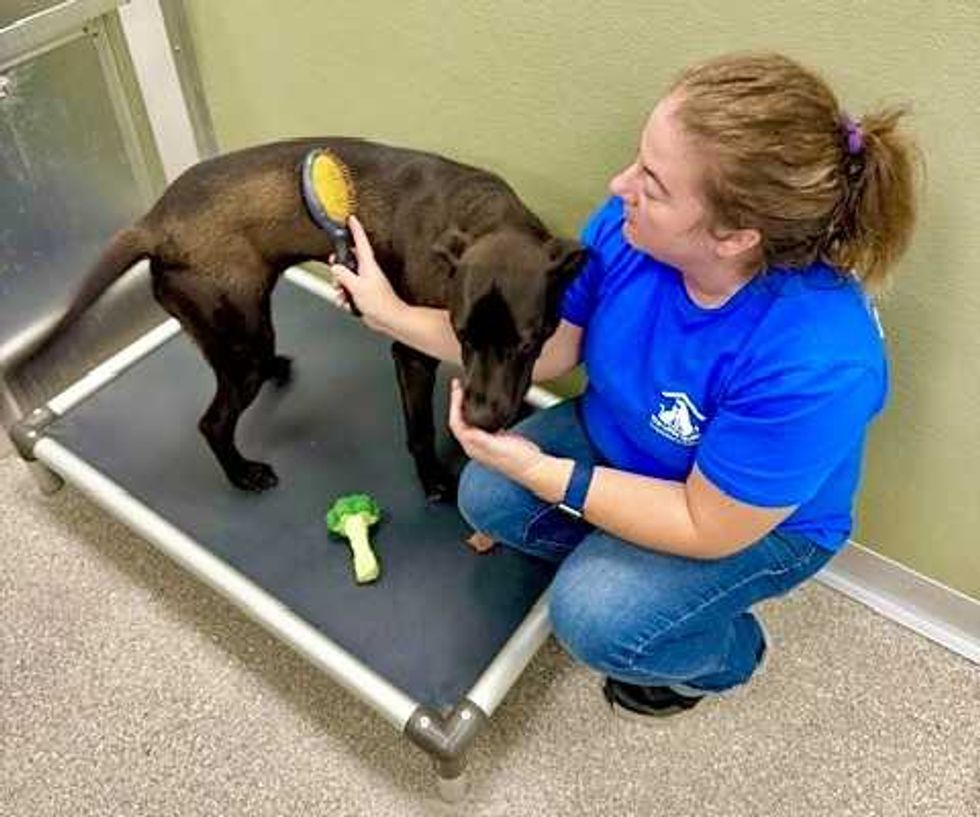 Tiffany Lemelin, shelter manager, brushing Marsala upon arrival.Provided
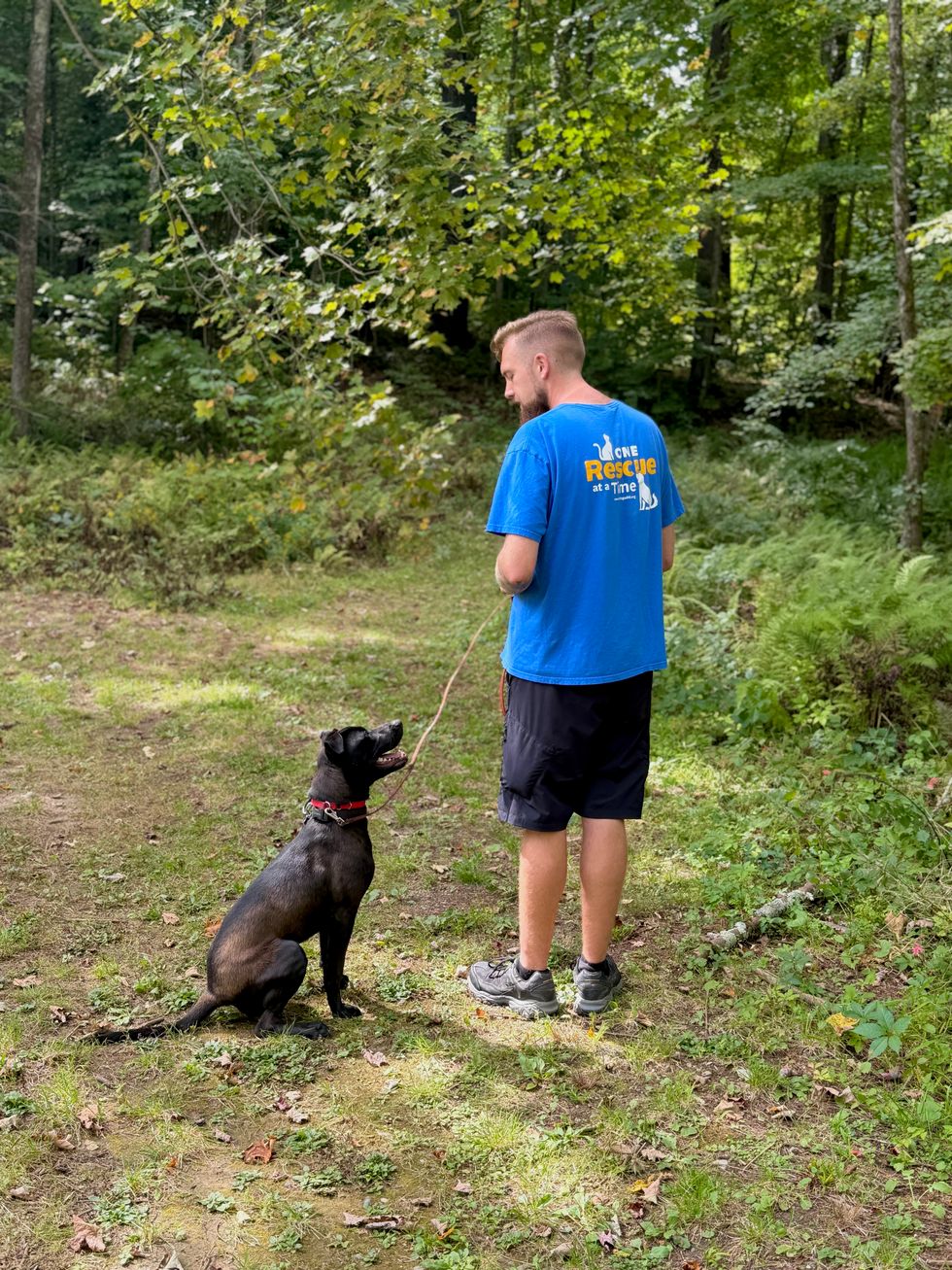 Michael DeBarba, certified dog trainer working with Marsala.Jennifer Almquist
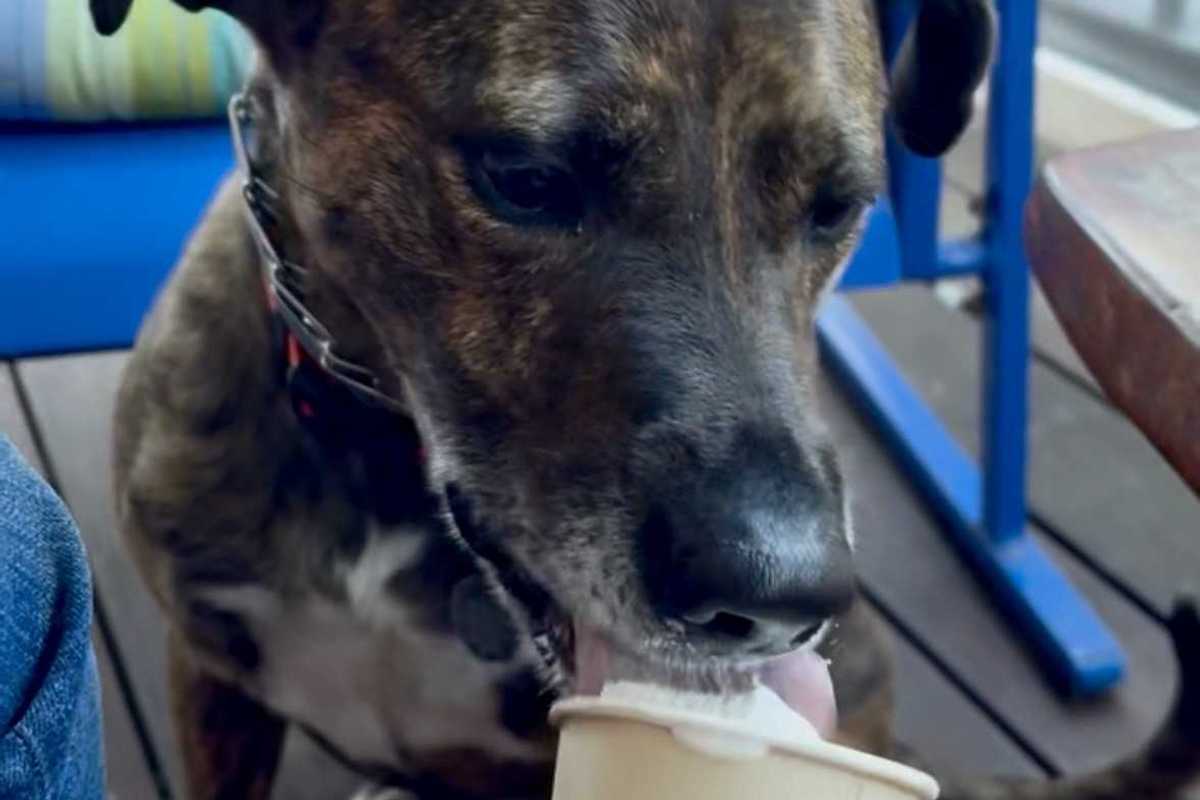
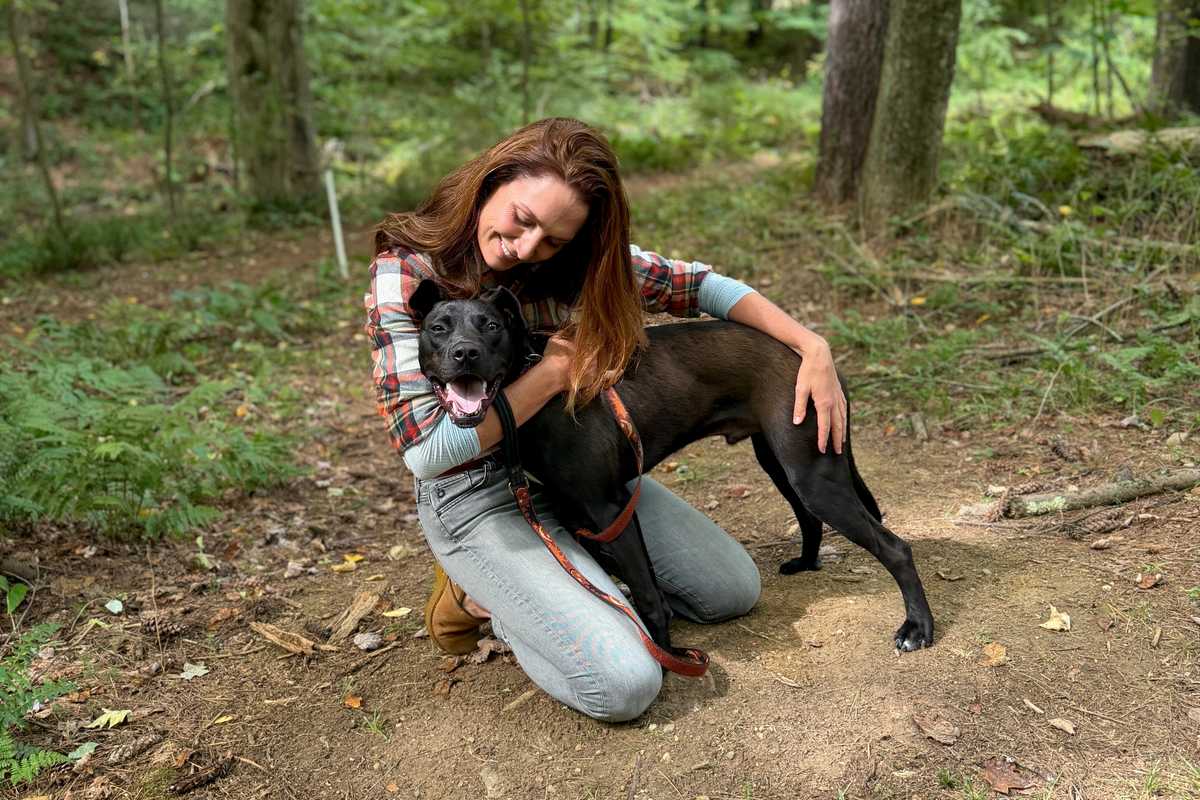 Marsala wins a heart.Jennifer Almquist

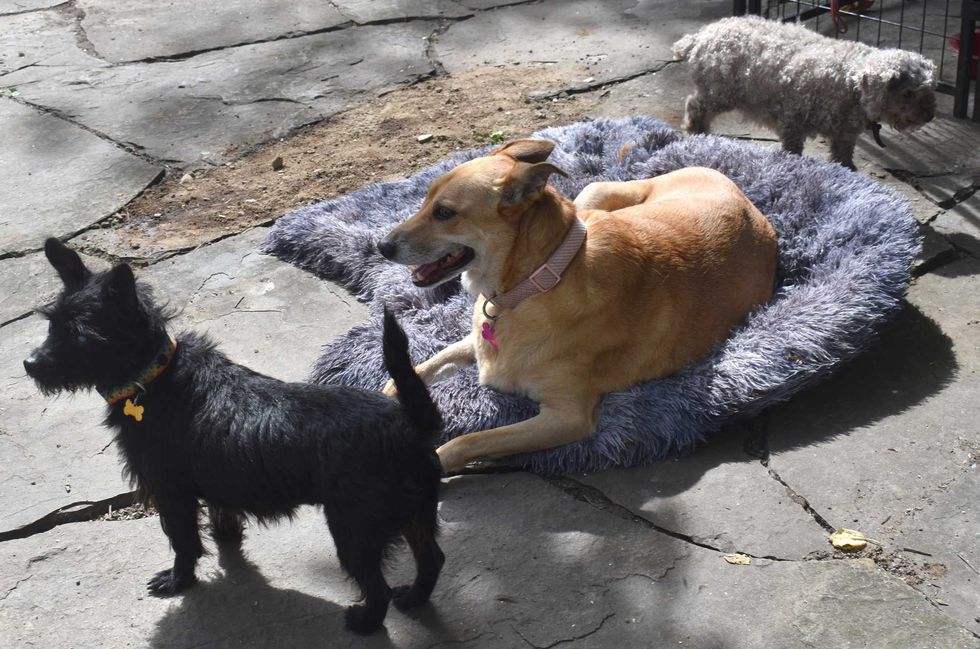 Sadie, center, a Carolina dog, plays with her friend Negra, a terrier mix. Bella Linda, the small poodle, has since been adopted.L. Tomaino
 Wesley, a young, exuberant mix, is looking for an active home.L. Tomaino
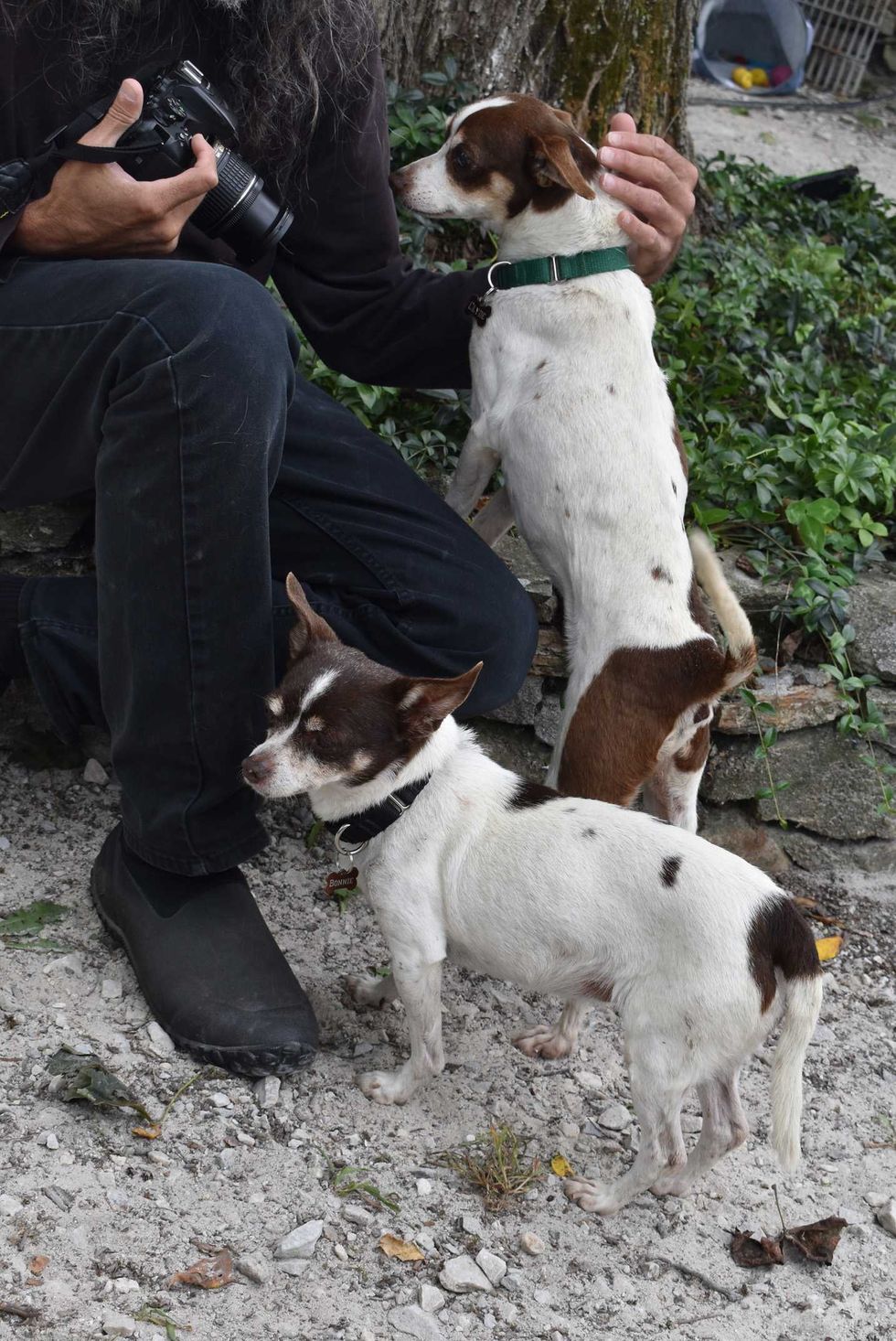 Bonnie and Clyde, an affectionate terrier pair.L. Tomaino
 Provided