If you look through some of the ads in this newspaper in recent weeks, it will become obvious just how intensely small businesses of all kinds, for-profit and nonprofit alike, are being affected by the COVID-19 restrictions on operations. For those that are not essential services, as so deemed by the state, their doors are closed. For those that are limited in what they can do, such as restaurants now offering take-out food only, their doors are only slightly ajar, just enough to give their customers their orders. Then there are those that are flat out, such as the transfer stations, grocery stores, pharmacies and medical facilities, where their staffs are under duress and trying to stay ahead of the effects of the spread of the virus.
Our hearts go out to those who are at work dealing with the public every day to help all of us through this devastating time. But those small businesses that are struggling through this time, trying to keep their employees whole through it while suffering inescapable losses, sometimes financial and sometimes completely human, also have to be in our thoughts. Because when we come out of this time of pandemic, the region we live in will be far different than it was before if many of the area’s small businesses cannot stick it out.
We should all stay aware of what these businesses mean to the way the Northwest Corner functions, what they mean to the quality of life here. Many are trying to apply for stimulus money, but there is a diminishing supply of that, and it will not be available at any rate for some time even if some businesses do qualify for that help. Let’s think about all of them, and reach out to them during this crisis. And for those who are working through it, understand how difficult this time is for them, and treat them with the respect and kindness they deserve.
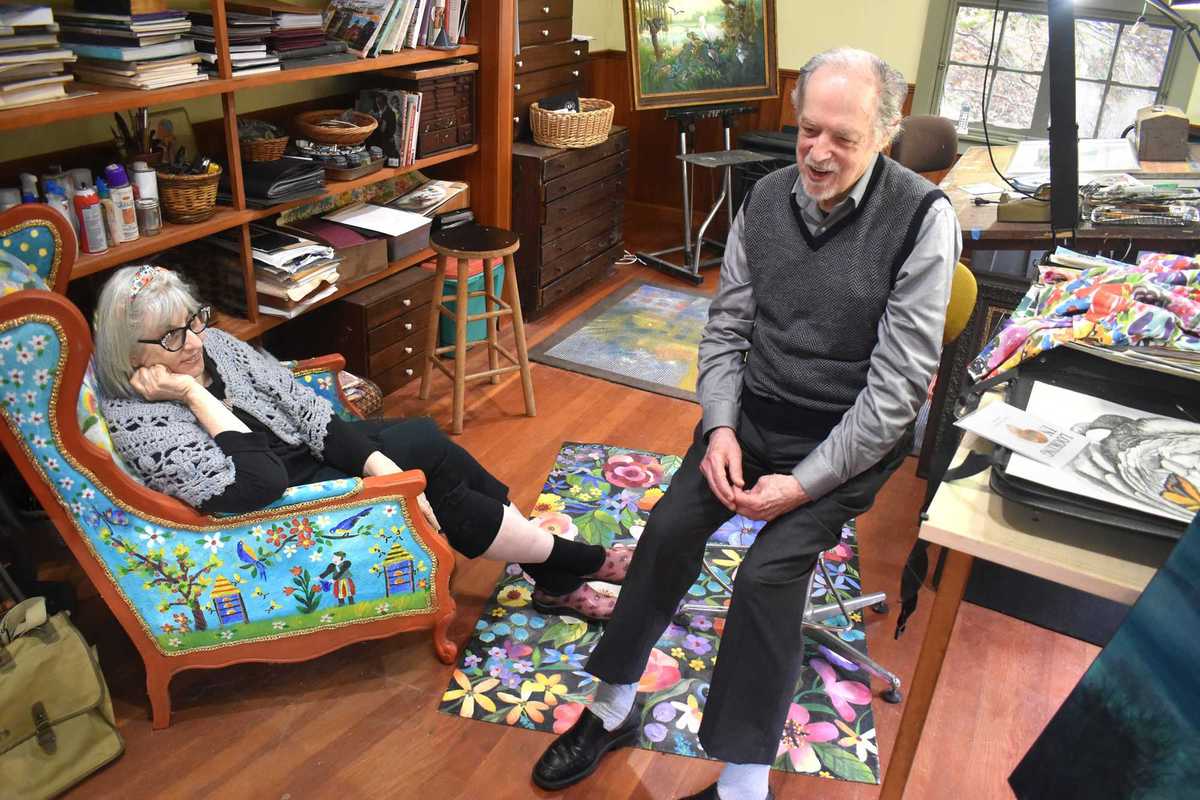
 Justine and Victor Valla in their studio with a painting of Victor’s,”Jonah and the Whale.” Robin Roraback

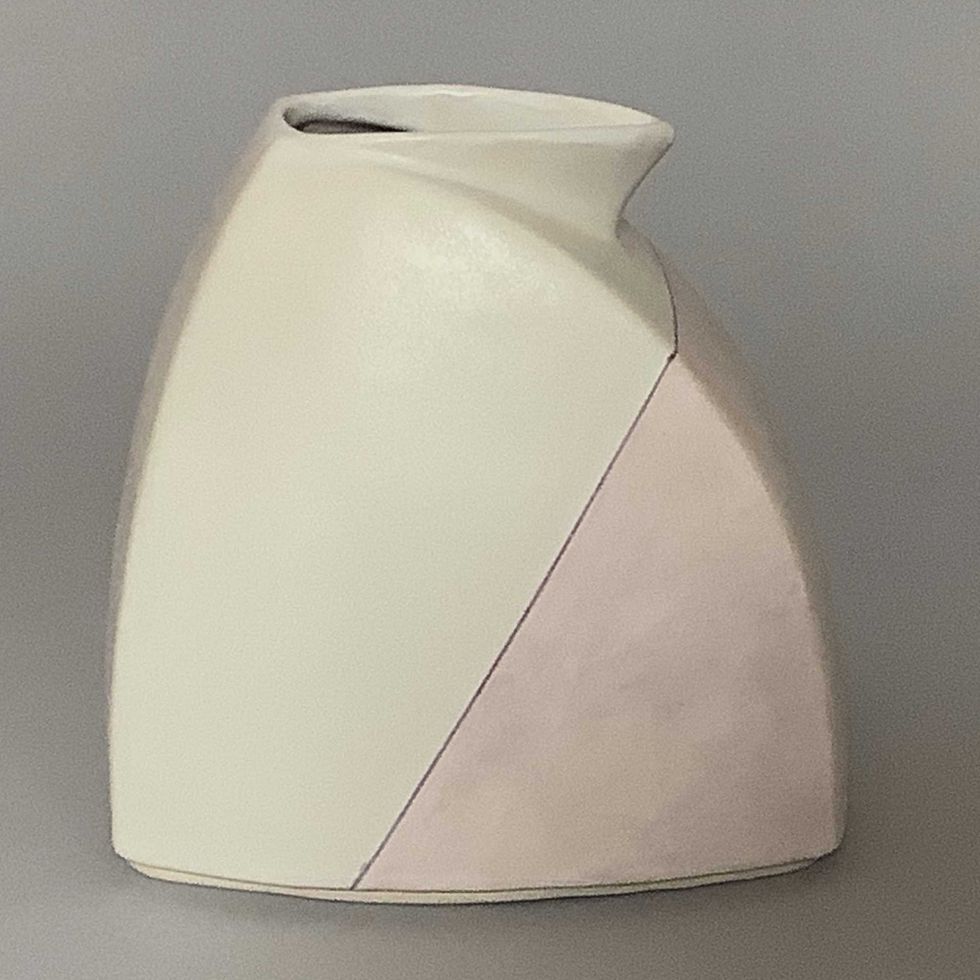 A ceramic vase by Kathleen Heidemann.Provided
 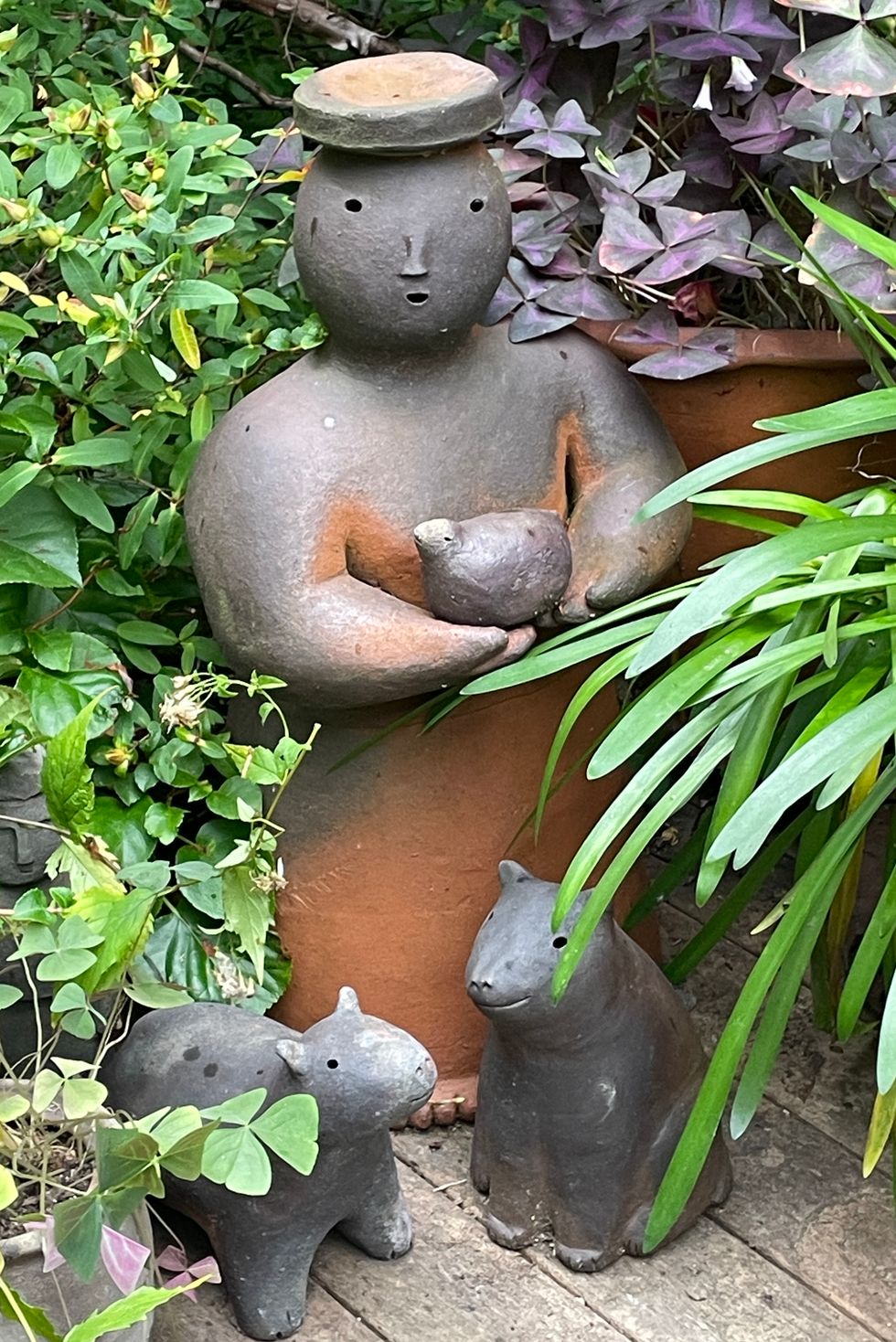 Joy Brown’s delightful ceramic sculptures.Provided