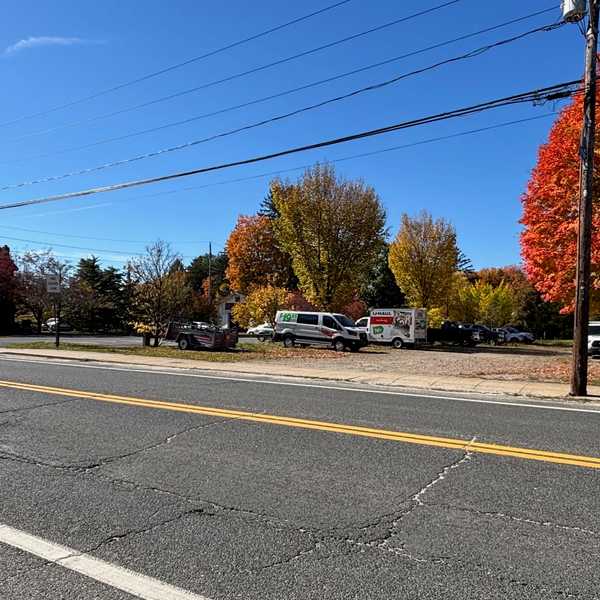
Voices from our Salisbury community about the housing we need for a healthy, vibrant future.
Community connections are what build valuable relationships and give us a deeper sense of belonging.
When I mention Salisbury to people who are not familiar with our town I always say what makes Salisbury special are the wonderful people who live here. Salisbury would not exist as we know it if it weren’t for its generous citizens who, over generations, have donated time and resources to help their neighbors and enhance the town.
Volunteering is a huge part of what joins us together as a community and contributes greatly to our quality of life. Almost 100 people volunteer for various town commissions, committees and for other activities, which are essential for the operation of our town government. Our first responders are all volunteers. Hundreds more volunteer for the many nonprofit organizations in town that help children, the library, environment, health services, civic organizations, political parties, seniors, pets, recreational programs and social services.
The Salisbury Association, located on Academy Street, has published a resource guide that lists the many volunteer opportunities in town: www.salisburyassociation.org/wp-content/uploads/2021/10/nw-corner-handbo...
Here’s some interesting history about just a few of our very special places and services. None would exist without the generous donation of time and money by people who love our town.
In 1951 the Belcher family contributed much of the money the town needed to purchase the Holley Grove, which became our Town Grove. It’s impossible to imagine our town without the beautiful Grove for boating, fishing and swimming as well as paddle tennis and the community center. It’s where the whole town gathers for a Fourth of July picnic and to hear Lou Bucceri read the Declaration of Independence followed by a Salisbury Band concert.
The Scoville Memorial Library began in 1771 with a gift of 200 books donated by 39 residents. The library took various forms until 1885 when the Scoville family financed the current building. In 1981 and 2016 the building was enlarged, renovated and reimagined. Scoville Library has kept up with the times and provides space for community events, engaging programming, videos, books in all their forms and much much more.
A few years ago $850,000 was raised locally by the Salisbury Winter Sports Association (SWSA) to rebuild the ski jumps which were the site for this year’s 97th annual Jumpfest Winter Festival. It’s a highlight of the winter season.
The Salisbury Visiting Nurse Association, which recently joined with two other organizations to form Visiting Nurse & Hospice of Litchfield County, had its origins in 1904 when Mrs. Rose Milmine Parsons hired a nurse by the name of Henrietta Van Cleft out of her own funds to make home visits to residents in need. Henrietta made her visits via horse and buggy! They now provide skilled home medical care, hospice care, private assistance services and many wellness classes and clinics.
Salisbury Family Services was founded in the 1930s as the Welfare Association of Salisbury, the purpose of which was to promote the welfare of the Town and people of Salisbury. It is funded solely through donations. They continue to help people by providing emergency assistance to those experiencing hardship as well as sponsoring programs supporting education, housing, and childcare among others.
The Salisbury Association Land Trust has been instrumental in preserving land in our area. One example is the Dark Hollow Preserve which is a 140 acre wooded preserve just off Salmon Kill Road. It began with a donation of 5 acres in 1993 from Louise Gross; 123 acres were added with the help of state financing, the Belcher Charitable Trust, and many generous Salisbury donors. In 2008 an additional 12 acres were purchased from the Pope Family. Local residents have worked to clear the land of invasive species, helping to create a beautiful woodland with 2.7 miles of public trails.
As early as 1960 the town recognized the need for more housing that was affordable for local workers. With the average home sale price between August 2021 and January 2023 of $1,219,400, the situation in town has reached crisis proportions. The future use of the “Pope Property” bordering Salmon Kill Road is on the minds of many people in town. Gustavus Pope was the founder of the Salisbury Land Trust and the Historic District Commission and donated the land which is now home to Salisbury Family Services, Salisbury Visiting Nurse Association, the Housatonic Child Care Center, Trotta Fields, basketball courts and the town’s Community Garden. The surrounding land, which was also owned by the family, was purchased by the town in 2016. In a letter to the town regarding the sale the family expressed their hopes that “permanently affordable housing will be a major element of its development.”
Sarum Village is Salisbury’s largest rental complex. In 1984 private citizens raised $140,000 to purchase land so the newly formed Salisbury Housing Committee could build and manage affordable rental housing on the site. With 100 families on the waiting list, the need has never been greater.
The Salisbury Housing Committee continues to work on increasing rental housing at Sarum Village. With available land the biggest challenge to building affordable homes, Jim Dresser, a board member and longtime advocate for affordable housing, recently donated land on East Railroad Street to the Housing Committee.
The Salisbury Housing Trust raises money locally to purchase homes or property that are resold with deed restrictions at affordable prices, creating affordable home ownership opportunities. Dunham Road is named in honor of Richard Dunham, who worked tirelessly to make the Trust an early success. Volunteers on the Trust board have been working with local contractors who are generously donating discounted time and materials to help renovate a home on East Main Street.
What an incredible legacy all of these people have created! A way to experience the joy, satisfaction and comradery of supporting our town and its future is to donate money, time and/or property to one of our many nonprofit organizations either now or as part of your estate planning.
Mary Close Oppenheimer has been part of the Lakeville/Salisbury community for 40 years and is a volunteer on the Salisbury Affordable Housing Commission.
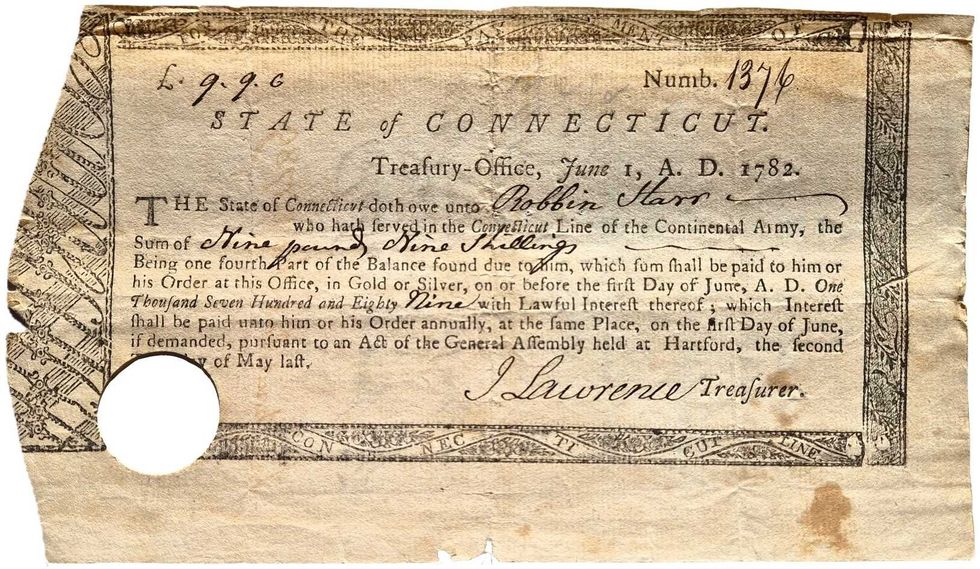 Pay Bill for Robin Starr’s service in the Continental Army.Courtesy the Alex Breanne Corporation
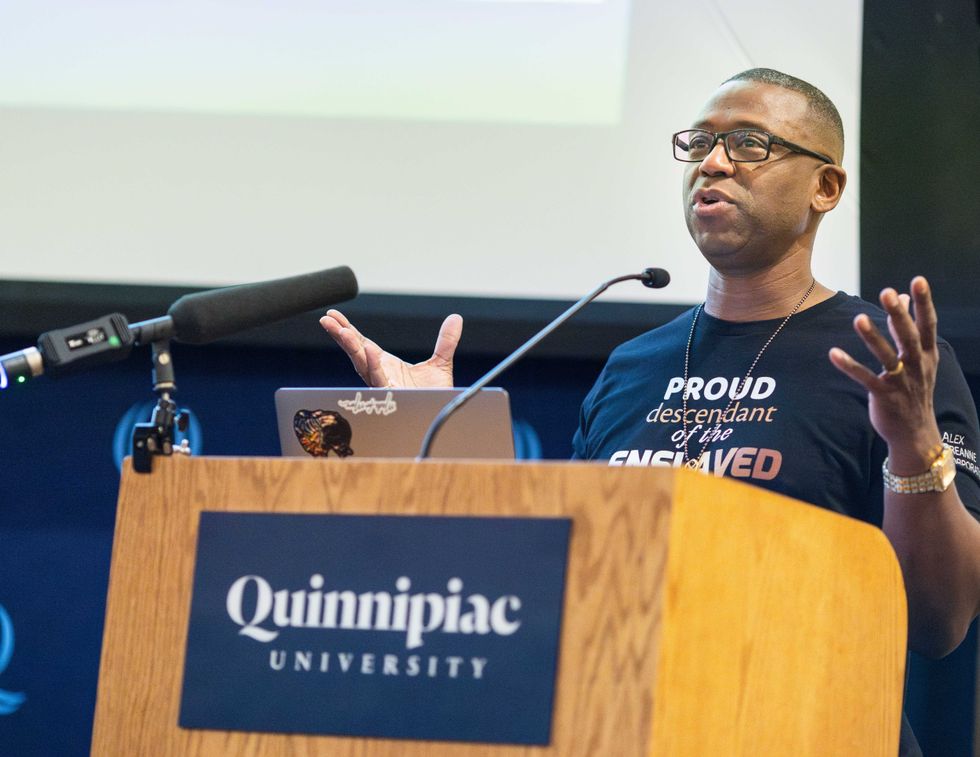 John Mills speaking at Quinnipiac University.Courtesy the Alex Breanne Corporation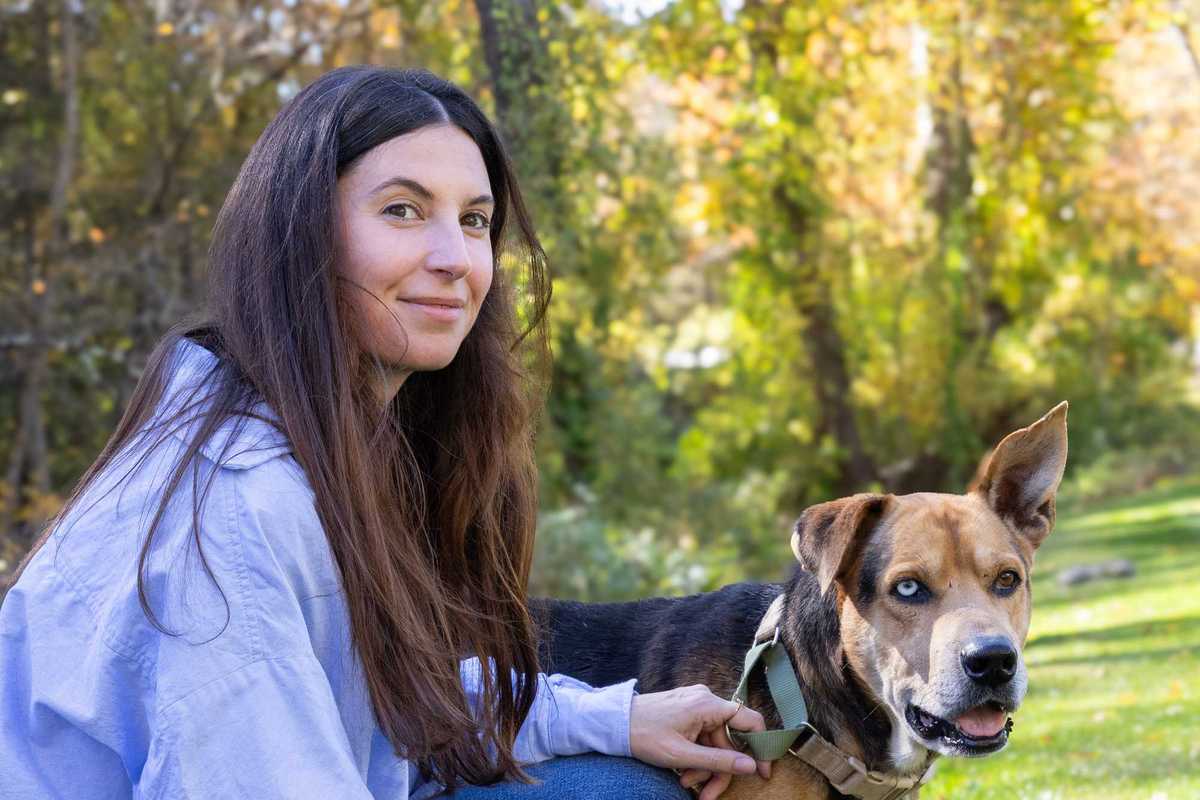
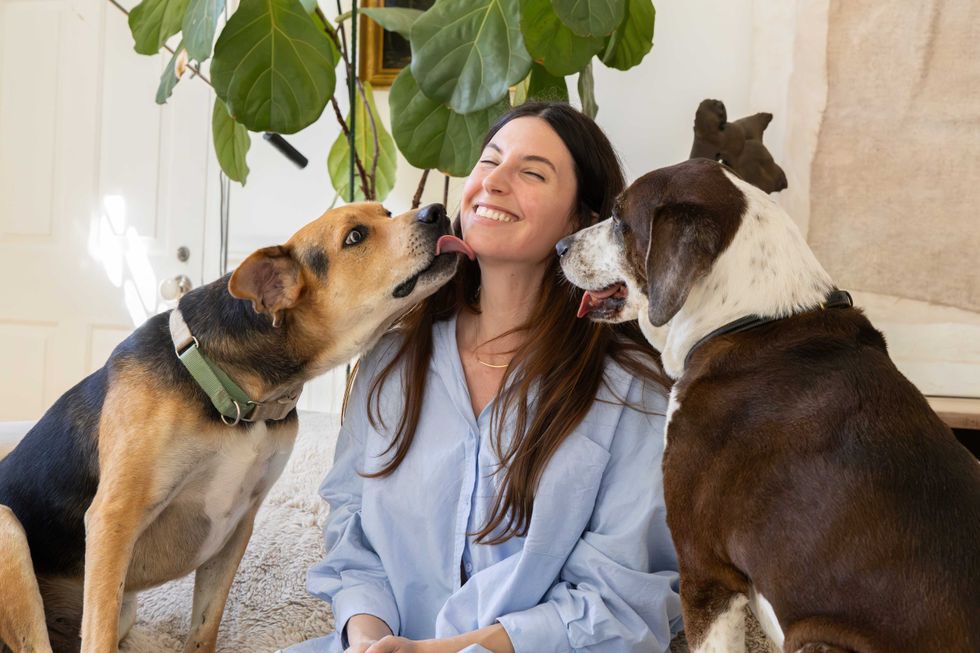 Stephanie Saetta,with her rescue dog George and Blue (left), a shepherd mix awaiting his forever home.Madi Long
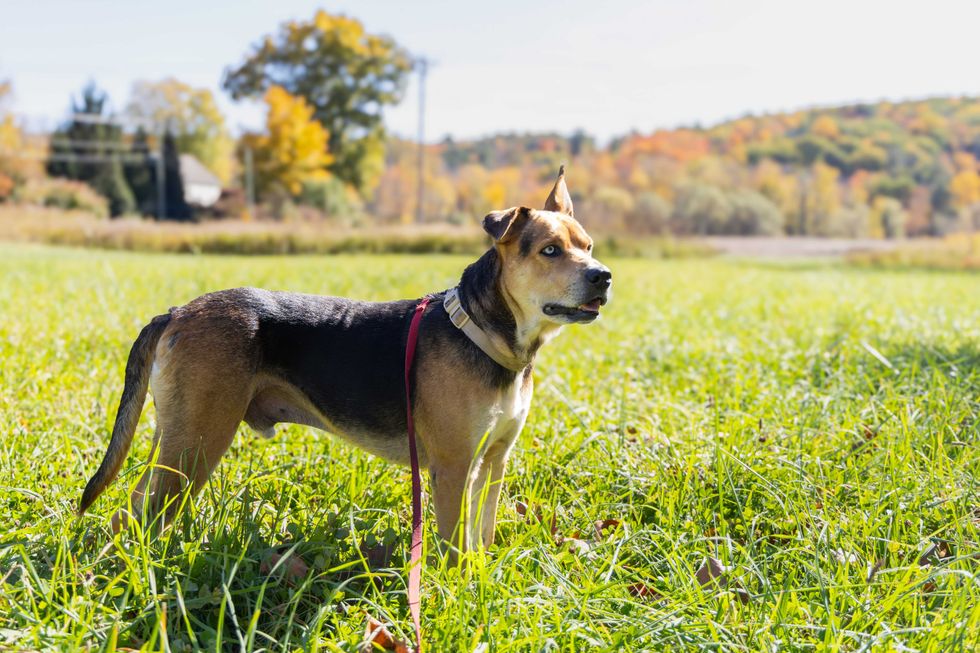 Blue, a 7 year-old Shepard mix, is waiting for his forever home. Madi Long