SHARON – Elections are the foundation of a democracy and registrars of voters are the ones tasked with making sure they run smoothly and fairly.
While most voters in Litchfield County are used to seeing them manning the polls, few know the intricacies, attention to detail, and yes, sometimes the frustrations these elected local officials face in carrying out their duties, which are primarily spelled out in the statutes.
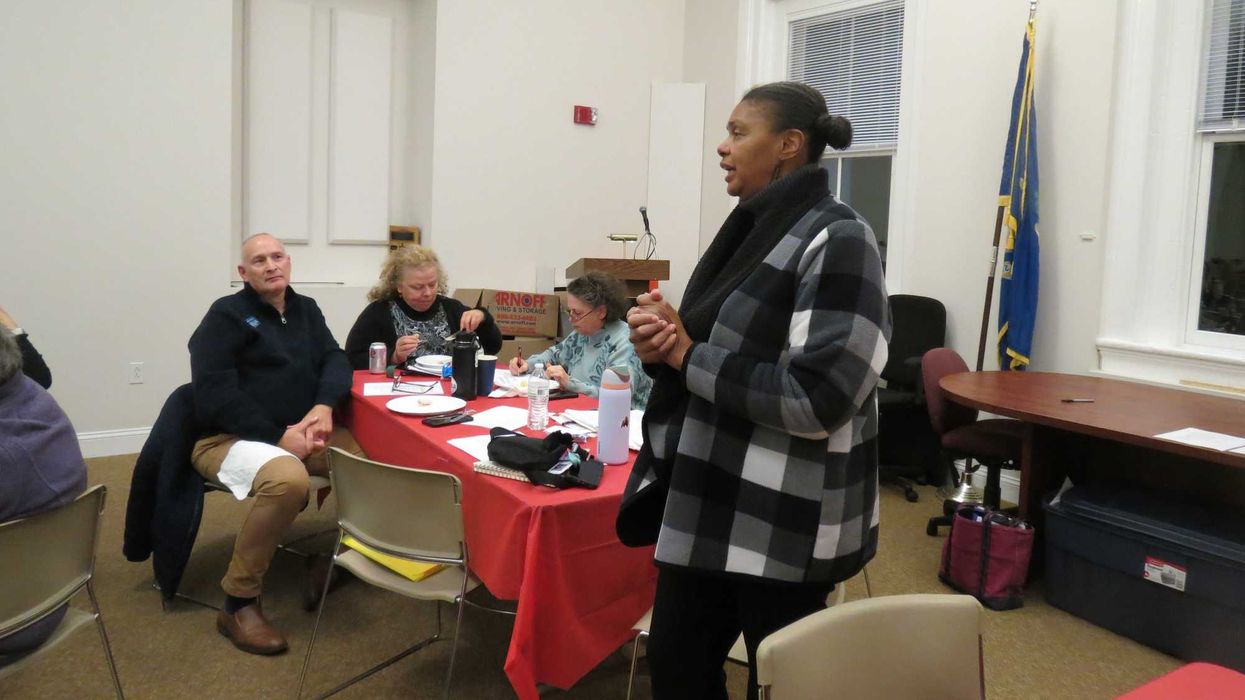
During last week’s meeting of the Litchfield County Registrars of Voters of Connecticut, or ROVAC, some of those concerns were aired
Hosted by Sharon registrars, Democrat Marel Rogers and Republican Patricia Chamberlain, the meeting focused on the recent municipal elections.
Barbara Crouch, president of ROVAC, was the guest speaker. She talked about the topic that appeared to be on most minds: early voting.
Registrars had to provide 14 days of early voting for the election. Opinions are split in terms of its success, she said, although there is a push calling on state legislators to shorten the period.
She hopes the legislature will also bring up the issue of tabulators, she told those assembled. Some of the procedures having to be followed are archaic and can be done online, she said, and there are some technical things the association would like to get rid of.
“I heard about the inability to get responses from the Secretary of State Stephanie Thomas’ office,” said Crouch. “It was stressful for her. That office needs more organization. We’re trying to forge a better relationship with her. We should be working together. We want a more collaborative relationship with her. Everyone’s agenda is safe, fair, clear elections.”
Crouch said the association would like to get the number of early voting days reduced to 10 and that they not have to be instituted for primaries.
There were many examples of low turnout during early voting. Crouch said most colleges had no students appear.
The expense to towns was a main objection, with some registrars saying residents have no idea what such a schedule costs.
One meeting attendee said she was thanked for volunteering her time, and that she had to explain that the poll workers were getting paid.
Sherri Gray of Colebrook said her town had the lowest turnout for early voting at 43.Another attendee said it’s not just about cost, but the more days allows for more of a chance for mistakes because the poll workers are tired.
John Morton of Warren shared a letter he sent to his state representative and senator. He did extensive calculations, noting that 194 of the town’s 1,115 registered voters, or 17. 4% of eligible voters, cast their ballots early. The early voting cost the town $7,440, resulting in a per-voter cost of $38.35. Many voters, he said, expressed that 14 days felt excessive.
“Additionally, the state’s upcoming implementation of no-excuse absentee ballots will further expand voting access,” wrote Morton.
“With this new option available in future elections, a shorter early-voting period will continue to provide voters with ample opportunity to cast a ballot while reducing the staffing and financial burden on small towns like ours. We respectfully encourage you to consider revising the early voting requirement to a seven-day period. This provides a full working week of early voting for residents, maintains accessibility, and significantly reduces municipal costs.”
This election was also the first using the new tabulators which are made by ES & S. Examples of problems were given, but most of those present said the kinks were eventually worked out.
“We are elected officials,” said Lisa Amatruda of Woodbury, chairman of the Litchfield County association. “For us this is not a job, it’s a passion.”













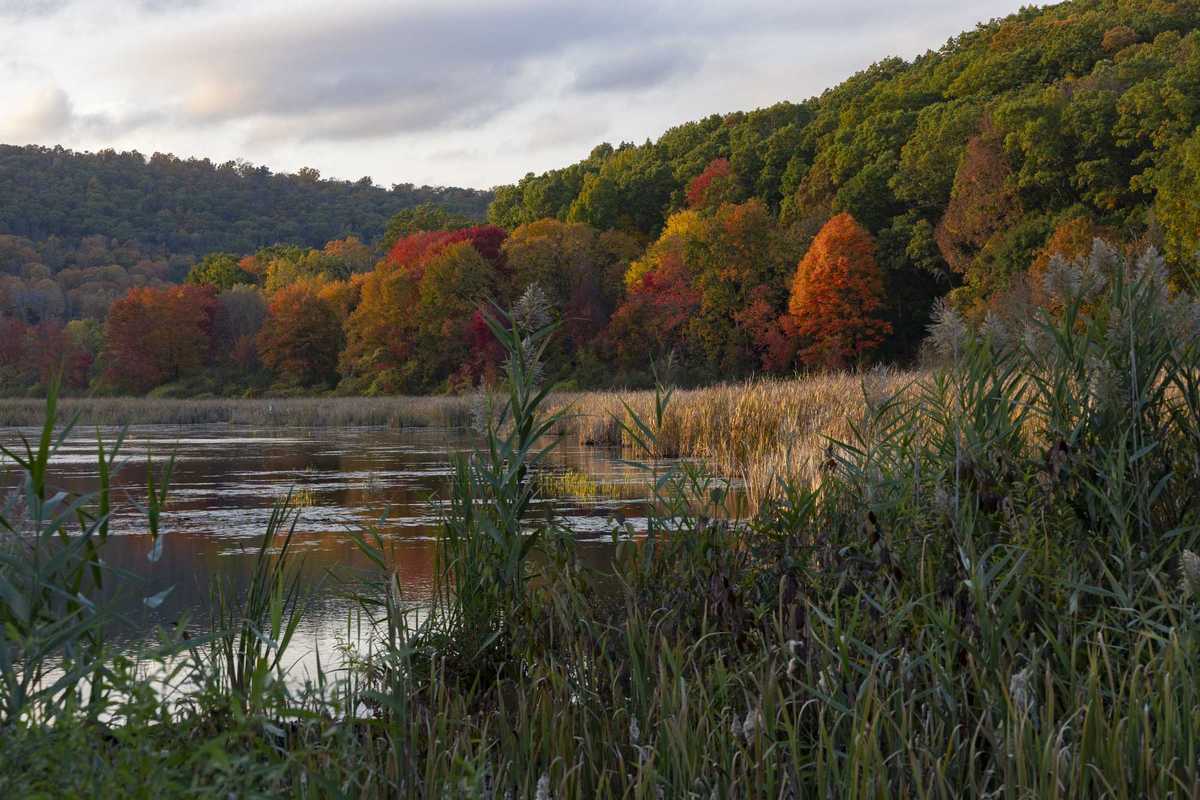
 Sharon, CTBill Wakeley
 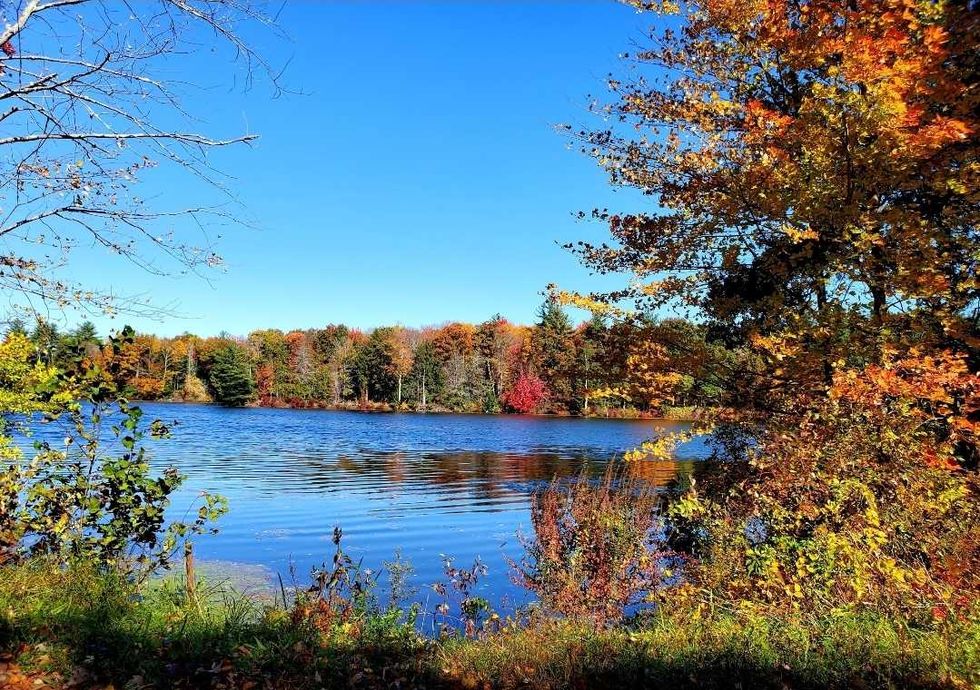 Mill Pond, Sheffield MADeb Segalla-Watson
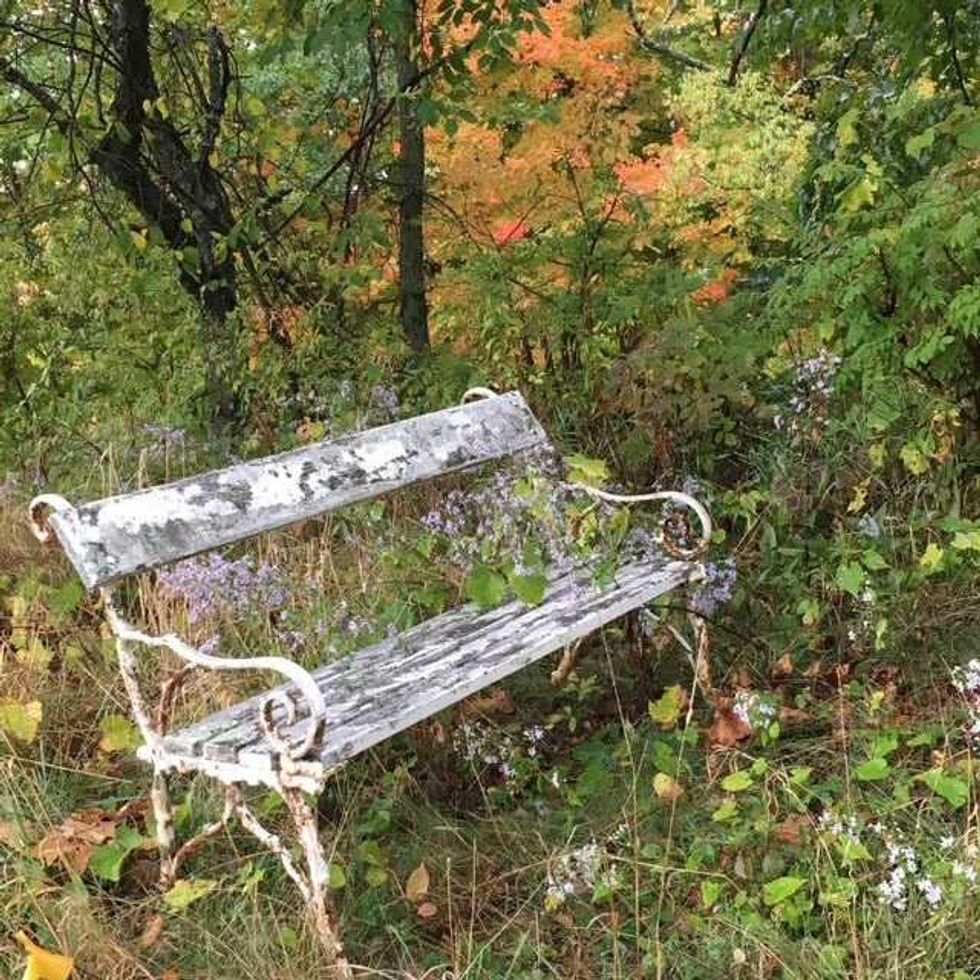 New Marlborough, MAWendy Miller
  Peter Austin
 Falls Village, CTPete Sanders
  Tom Carley
  Factory Pond, Lakeville CTBarbara Peck
 Lime Rock Road, Lakeville CTKeary Hanan
 Lime Rock Road, Lakeville CTJake Marcum
 Housatonic River, Sharon, CTBill Wakeley
 Norfolk, CTTom Carley
  Reed Brook, Deans Ravine, Canaan CTBill Wakeley