Every ten years, the federal decennial census data informs two things that shape Connecticut’s future: how many seats we get in Congress and how many dollars go to our schools, roads and transit systems, and healthcare programs.
Right now, the U.S. Census Bureau is quietly rewriting the rules for how people will be counted in 2030. These rules will change 250 years of precedent and will disadvantage Connecticut. But instead of working with state leaders to get it right, federal officials have done something alarming: They have stopped talking to us altogether .
Our elected leaders in Hartford and Washington cannot afford to sit on the sidelines. If Gov. Ned Lamont, Lt. Gov. Susan Bysiewicz, Attorney General William Tong, and our congressional delegation do not step in immediately to demand answers and transparency, Connecticut risks getting shortchanged for an entire decade.
Here is what is happening behind closed doors. On Sept. 10, the Census Bureau published a proposal in the Federal Register that could fundamentally alter “residence criteria” for the 2030 count. These rules decide where snowbirds, college students, incarcerated individuals, military members, and immigrants are counted.
Shift a definition by a few words, and you shift millions of dollars from Connecticut towns to other states.
When data experts from state data centers across the country gathered at Census headquarters in Maryland recently to ask standard technical questions, they were read a pre-scripted statement: Bureau staff were forbidden from answering any questions about the new residency rules.
Days later, regional meetings between Census officials and Northeast state representatives were abruptly canceled, with local experts told that Census Bureau staff are now banned from meeting with external partners to discuss Census 2030 preparations.
This is not routine administrative noise. It is a directive to silence the local partners tasked with making sure every Connecticut resident is counted once, only once, and in the right place. It is a deliberate assault on government transparency.
This is where our state’s political leadership must step in. Federal bureaucrats should not be allowed to freeze out state partners while altering the rules that dictate Connecticut’s budget and representation.
We need our congressional delegation, Sens. Richard Blumenthal and Chris Murphy, alongside U.S. Reps. Rosa DeLauro, Jim Himes, John Larson, Joe Courtney, and Jahana Hayes, to demand that the Census Bureau lift this communication ban and answer basic questions about the 2030 count.
We also need immediate state action. Gov. Lamont and Attorney General Tong should join other states in filing formal objections before the federal public comment window closes on Nov. 3. [Changed from Oct. 13 — Ed]
We also need residents, advocacy organizations, and community-based organizations to respond to the FRN and voice your concerns. (See ctdata.org for instructions on how to do it.)
The math is simple: if Connecticut is undercounted because the rules were changed without local input, our state budget takes the hit. Local taxpayers end up footing the bill for health care, special education, housing programs, and roads that federal funding should have covered.
Our leaders regularly promise to fight for Connecticut’s fair share. Right now, that fight is not in a high-profile courtroom; it is in the fine print of federal notices, and time is running out.
The comment deadline is Nov. 3 [Changed from Oct. 13 — Ed]. That leaves our politicians with little time to make noise, demand accountability, and submit formal objections. The Census Bureau may have chosen to go silent, but Connecticut’s elected officials cannot.
It is time for our leaders to step up and defend our state’s count before the window closes.
Sarah Eisele-Dyrli is Assistant Director and Michelle Riordan-Nold is Executive Director at the CTData Collaborative, Connecticut’s lead organization in the Census State Data Center network.


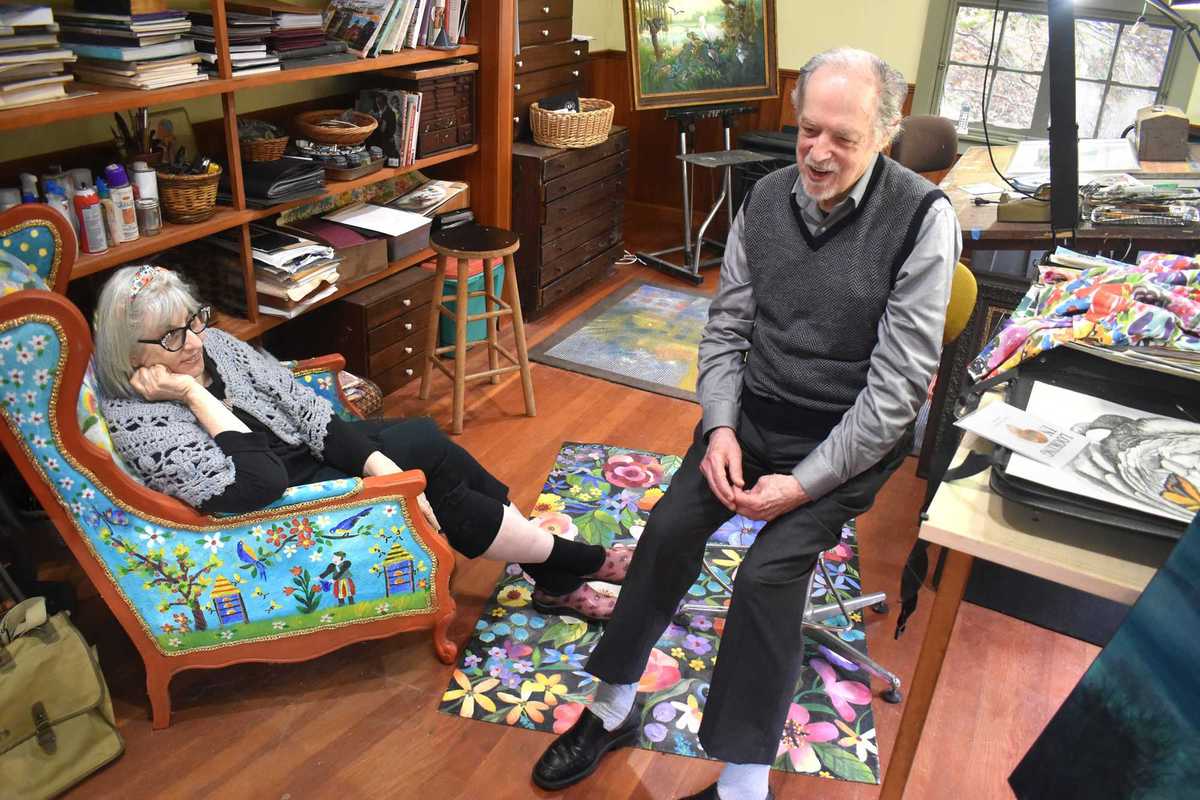
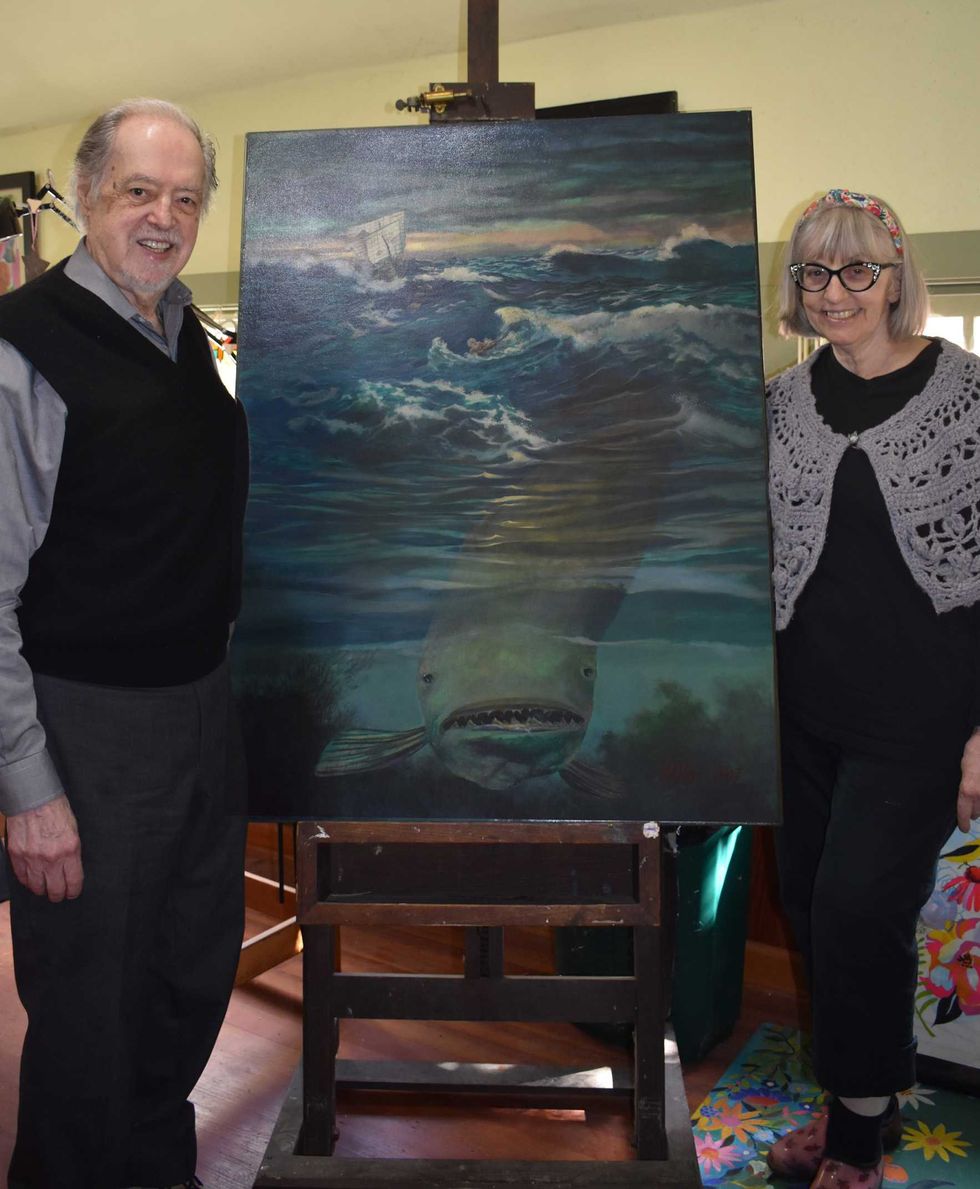 Justine and Victor Valla in their studio with a painting of Victor’s,”Jonah and the Whale.” Robin Roraback


 A ceramic vase by Kathleen Heidemann.Provided
  Joy Brown’s delightful ceramic sculptures.Provided
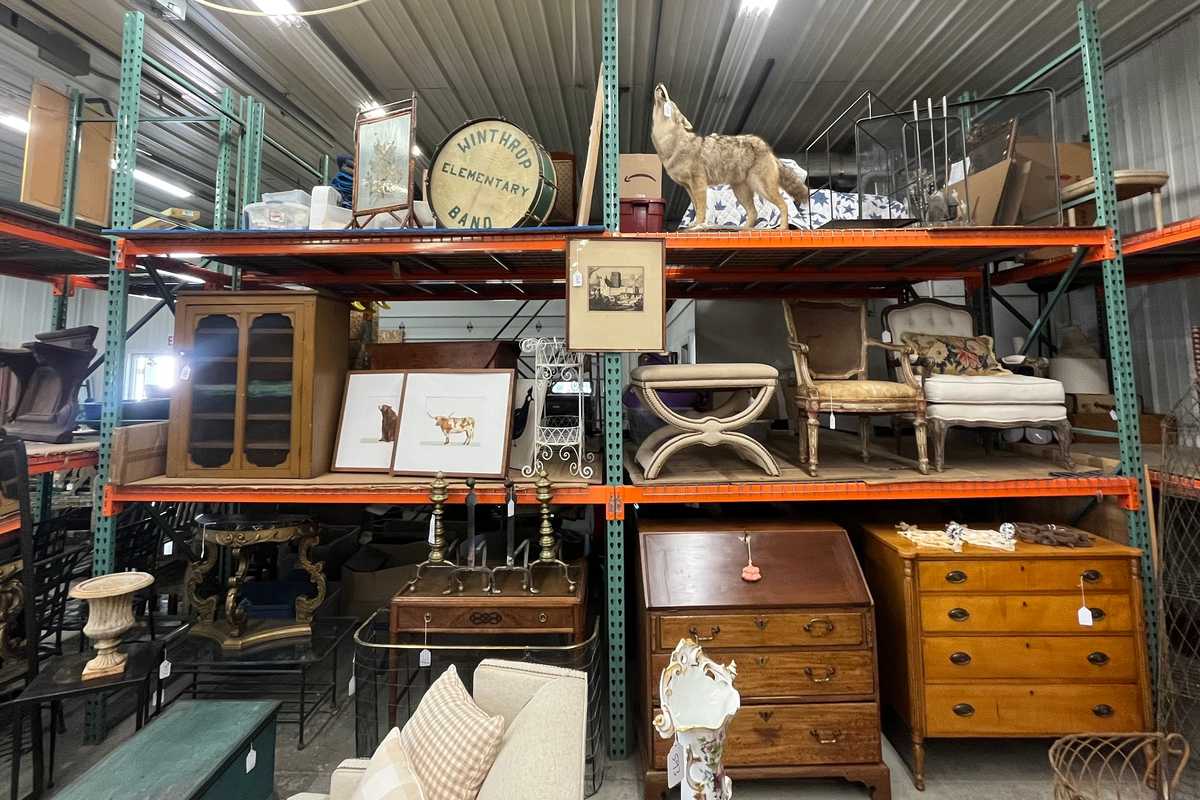
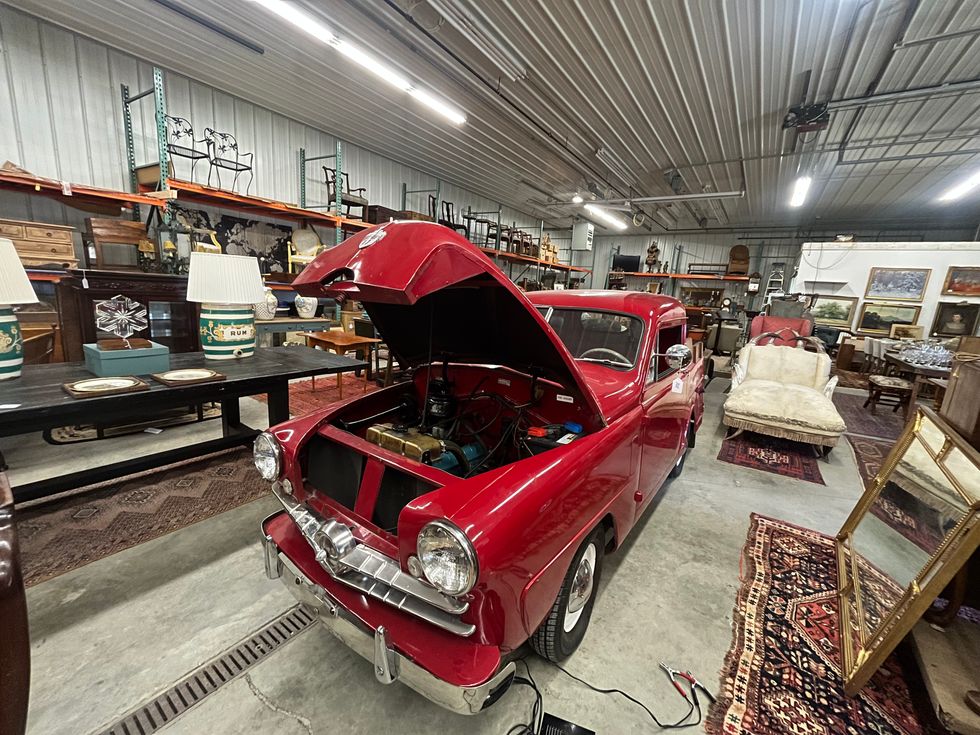 Hundreds of items at Stateline Auctions, including a candy-apple-red Crosley pickup truck.D.H. Callahan