“When you are working with bees, you are entering their world. The vibration from the wings, the wax smell, the movement of the bees. It’s all very relaxing.” — Ed Bahr, Owner of Mike’s Beehives
GOSHEN — What do you do when yellow jackets invade a shed and defend it by stinging people and dogs who trespass? One solution is to call Mike’s Beehives in Goshen. With knowledge of all things bees, the company will relocate everything from honey bee swarms to hornet and yellow jacket nests.
Ed Bahr of Mike’s Beehives recently removed a yellow jacket nest from a local shed, dressing himself in protective gear and suctioning the insects into what’s known as a bee box. The process is designed to avoid harm to bees.
Not only does Bahr remove the bees from various locations, he saves the nests as part of an elaborate relocation process. Despite a couple stings to his legs, he remained cheerful and took the yellow jackets to a wooded area in northwest Connecticut.
Bahr said he has been working with bees since he was about five-years-old, when he began helping his father with beekeeping.
“My job was turning the handle on the honey extractor,” Bahr said. As he grew older, he would accompany his father on visits to the hives, learning by watching.
Eventually, Bahr partnered with and worked alongside Mike Rice, founder of Mike’s Beehives, and after learning more about bees, bee removal and how to build hives, he bought the business.
“Beekeeping has made a huge surge since Covid,” Bahr said, adding that gardens, canning produce, raising chickens, and keeping bees became popular after the COVID-19 pandemic. Chickens seem to be declining, he said, but beekeeping is still “going strong.”
In addition to bee swarm removal and hive maintenance services, Bahr’s team — including his wife, Kim, Tom Pannullo and Chris Dunlop — offers a variety of products. From beekeeping tools, handmade artisan hives, bees themselves and local raw honey, their store on 80 Holmes Road in Goshen is a one-stop-shop for aspiring beekeepers.
Classes on beekeeping are also offered in February and March and are taught by Bahr himself.
“I’ve taught hundreds of people,” he said.
They sell honey from their own hives and also lip balm and salves, made from the beeswax that results from honey extraction. Books about honey and bees are also available. On the second floor of the store is a viewing room where visitors can observe bees through glass as they work.
Beyond the shop’s walls, more than 100 honey bee hives can be found on the property.
Bahr, Dunlop, and Pannullo recently removed a decades-old honeybee colony from a tree at Mudge Pond in Sharon after a bear had ripped out a large section of honeycomb.They relocated the bees to Goshen. A video of the procedure, taken by Dunlop is on view at the store.
Everyone at Mike’s Beehives seems to enjoy their work, in spite of the hazards of being stung.Bahr emphasized that a calm attitude is necessary in beekeeping.“They can sense fear and nervousness and that puts them on alert. I talk to them calmly.They can’t hear you, but they feel the vibration.”
He described beekeeping as being peaceful. “When working with bees, you are entering their world, and it is very soothing and calming. The vibration from the wings, the wax smell, the movement of the bees. It’s all very relaxing,” he said.
The bee language involves the “wag tail dance,” Bahr said. “Bees have no ears and can’t talk.Communication is done by vibration and scent.”
When a bee returns to the hive, “it shakes its back end, turns and shakes, turns and shakes, to tell the others the directions to find clover, an orchard, or wherever there is nectar and pollen.”
He added, “They pick up on that vibration. They feel it through their feet in the honeycomb.”
For more information, visit mikesbeehivesllc.com.







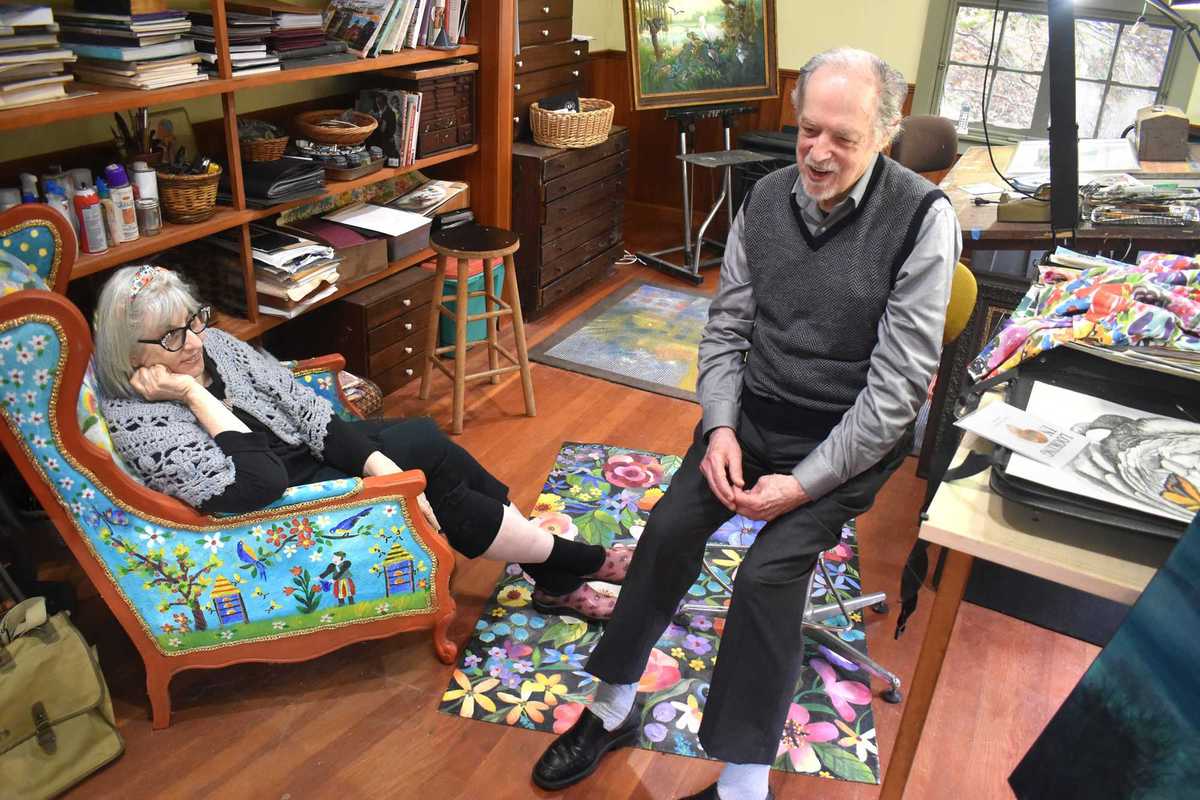
 Justine and Victor Valla in their studio with a painting of Victor’s,”Jonah and the Whale.” Robin Roraback

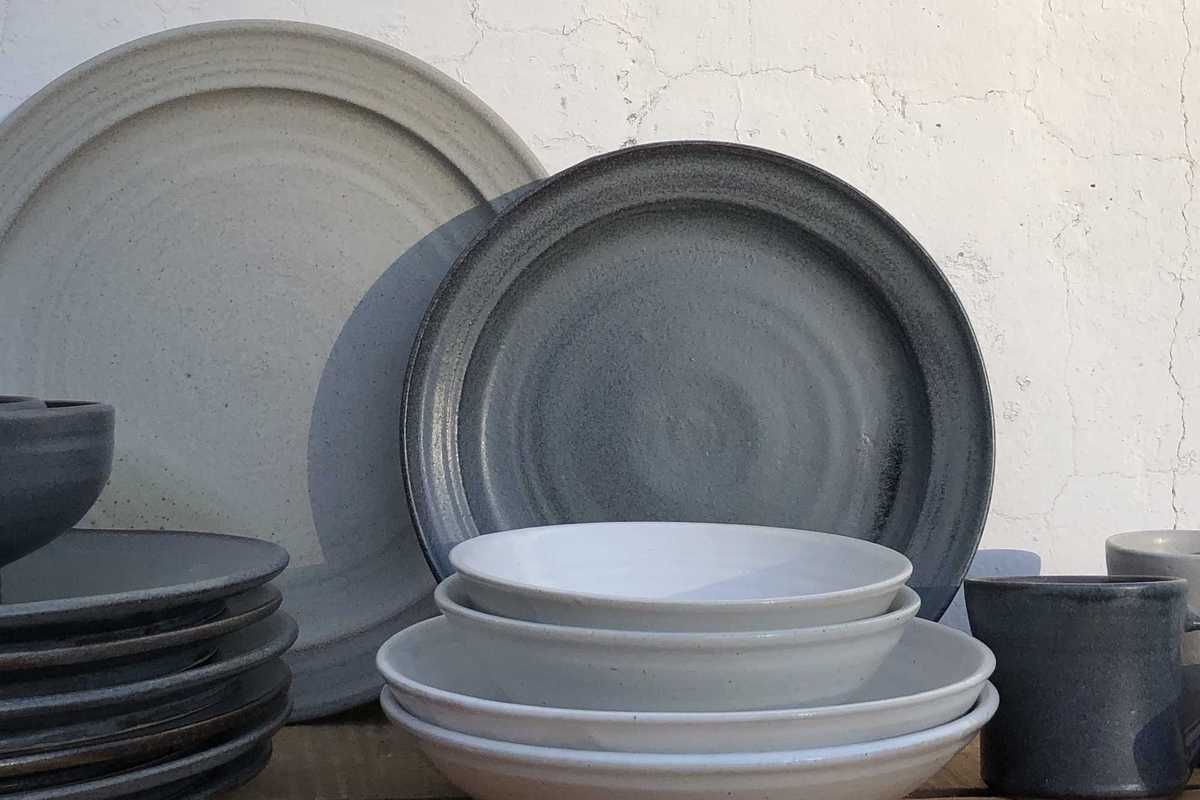
 A ceramic vase by Kathleen Heidemann.Provided
 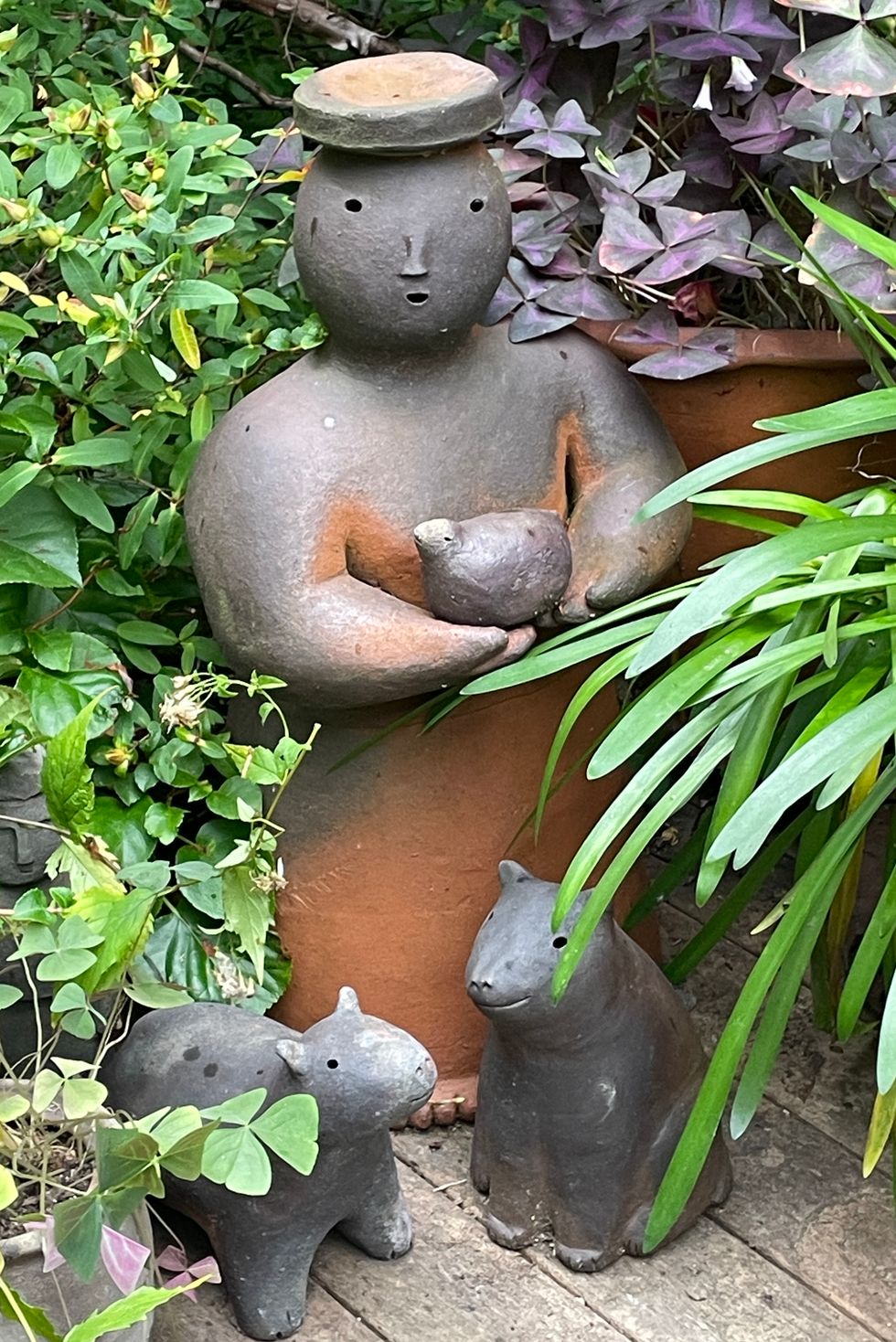 Joy Brown’s delightful ceramic sculptures.Provided