In the months before the election, Aaron Zimmer rode an electric scooter through GOP-leaning neighborhoods in New Milford and Brookfield, knocking on doors to meet voters. He sought out Republicans who might be open to a change and Democrats who typically sit out midterm elections.
On Election Day, the Brookfield Democrat defeated Republican incumbent Stephen Harding, the state Senate minority leader, to win Connecticut’s 30th Senate District seat.
Zimmer, 47, said the result didn’t surprise him. His conversations with voters gave him reason to believe he could win a seat Republicans had held for nearly 50 years.
“I have always been really big into door knocking and I do a lot of it,” Zimmer said. “It’s a huge district and we had to organize field strategy across 18 towns and to figure out where my time is best used and how we can utilize volunteers on each of these Democratic Town Committees.”
Zimmer summed up his campaign message in one line: “Stop Trump, tax the ultra wealthy and health care for all.”
After moving from New York City to Brookfield about five years ago, Zimmer got involved in local politics, helping manage the Brookfield DTC’s digital platform. In 2024, he ran for the 107th District seat in the Connecticut House of Representatives and lost to incumbent Marty Foncello.
Zimmer said he believes in “raising your hand” and pitching in wherever help is needed.
“I felt like given how involved I’ve been in the last many years, I probably won’t do this again and lose. At least until my daughter is grown,” Zimmer said. “And so we may as well just be fearless of failing and say what I wanted to say.”
Zimmer said his campaign slogan, “A Connecticut that works as hard as you,” reflected the needs of working-class residents. He pointed to several areas, including affordability, where he plans to take concrete steps in the coming term.
Affordability
As Northwest Corner communities struggle with a shortage of affordable housing, Zimmer said he supports most of Connecticut’s 2025 housing law, which passed as H.B. 8002.
Some critics, however, say the law’s zoning provisions give towns less say over where and how housing is built.
The law changes transit, parking and zoning requirements for housing projects and requires each municipality to submit a comprehensive housing growth plan to the state by 2028.
Zimmer called for “responsible building.” He said Connecticut needs more housing and local officials should have a say in how new projects fit their communities.
“I don’t want my daughter to move away when she grows up. I want her to stay here,” Zimmer said. “People don’t want their aging parents to have to move to South Carolina or Florida. And we solve that by tackling the problem now.”
Zimmer also pointed to household costs at the gas pump and on utility bills. He said state lawmakers could ease costs for drivers by temporarily suspending Connecticut’s gasoline tax, which he called “regressive.”
Zimmer said he plans to attend a Public Utilities Regulatory Authority public comment session this month on Eversource’s proposed 18% increase in electric delivery rates.
“The CEO makes tens of millions of dollars himself every year. There’s no reason that we can’t make them prove to us why they need rate increases, tie it to their profit margin, and stop letting them do whatever they want,” Zimmer said. “They are privatizing their profits and socializing their losses.”
Education and health care
Zimmer wants the state to take on a greater share of local school costs. He said the state could pay for it by requiring its wealthiest residents and large corporations to “pay their fair share.”
With enrollment declining and Region One weighing school consolidation, Zimmer said more state funding could ease pressure on town budgets without raising taxes on working families. He said it could also help towns avoid consolidation.
Zimmer said he and Gov. Ned Lamont differ on raising taxes on billionaires, but he praised the governor’s efforts to expand health coverage and said he wants the state to go further.
The Connecticut Partnership Plan, which lets municipal employers and school districts participate in the state employee health plan, added about 6,000 people as new groups joined, including teachers and first responders. Zimmer said he wants to give small businesses and their employees a similar option.
“There are things we can do here to create a universal healthcare system right here in Connecticut while we wait for the federal government to finally do the right thing,” Zimmer said.
Data centers, battery storage and bears
North Canaan’s Planning and Zoning Commission voted Nov. 10 to move forward with a two-year moratorium on data centers and battery energy storage systems. Commissioners discussed concerns about water and electricity use and said a pause would give the town time to study how to regulate the facilities.
Zimmer said he supports North Canaan’s decision and wants a statewide moratorium on data centers, saying residents “simply don’t want [data centers] here.”
He called battery storage a “different animal.” Data centers house computer servers that can use large amounts of electricity and, depending on how they’re cooled, water. Battery storage facilities hold electricity for later use, including when demand on the grid is high.
Zimmer said the challenge is balancing the state’s climate goals with preserving open space in the Northwest Corner.
Zimmer said he opposes creating a bear hunting season for now. The Connecticut Department of Energy and Environmental Protection has found that bears enter homes more frequently in Connecticut than in neighboring states, even after accounting for differences in bear populations.
Zimmer said he would first look at ways to keep bears away from homes, such as taking down bird feeders and using bear-resistant trash cans.
He also wants to hear from Northwest Corner farmers about how bears affect their operations before taking a final position on a hunting season.
“I live on three acres and I have bears on my property all of the time,” Zimmer said. “When I put the bird feeders away, I don’t see any more bears. Maybe [we can] invest in bear cans to keep them out of our trash and figure out a way to enjoy birds without leaving a snack out for every bear in the neighborhood.”
Zimmer is looking for an office and preparing to take his seat when the General Assembly convenes Jan. 6.
College football and a shelf full of vinyl
Aaron Zimmer is often seen wearing a Nebraska Cornhuskers hat. The Lincoln, Nebraska, native has also taken to rooting for UConn football since moving to Connecticut.
“Football in the Midwest, as you know, is church,” Zimmer said in an interview with The Lakeville Journal. “Connecticut’s a basketball state more than it is a football state, but the longer we live here, the more I’m plugging into the UConn Huskies football team.”
Zimmer moved to New York City in the early 2000s to pursue a career in music. He relocated to Brookfield with his family during the COVID-19 pandemic, drawn by Connecticut’s “excellent” public schools.
Zimmer said he hasn’t eaten out much in the Northwest Corner, but one campaign stop stood out. He recommends the jalapeño bagel at Wilson’s by High Watch in Kent.
These days, Zimmer, 47, spends more of his time on politics and raising his young daughter, but music is still part of his life.
Hundreds of records line his office shelves, including several pressings of Pink Floyd’s The Dark Side of the Moon from around the world.
Zimmer’s five favorite albums:
• Pink Floyd — The Dark Side of the Moon
• Silverchair — Diorama
• Dave Matthews Band — Under the Table and Dreaming
• Alice in Chains — Dirt
• Hayley Williams — Ego Death at a Bachelorette Party



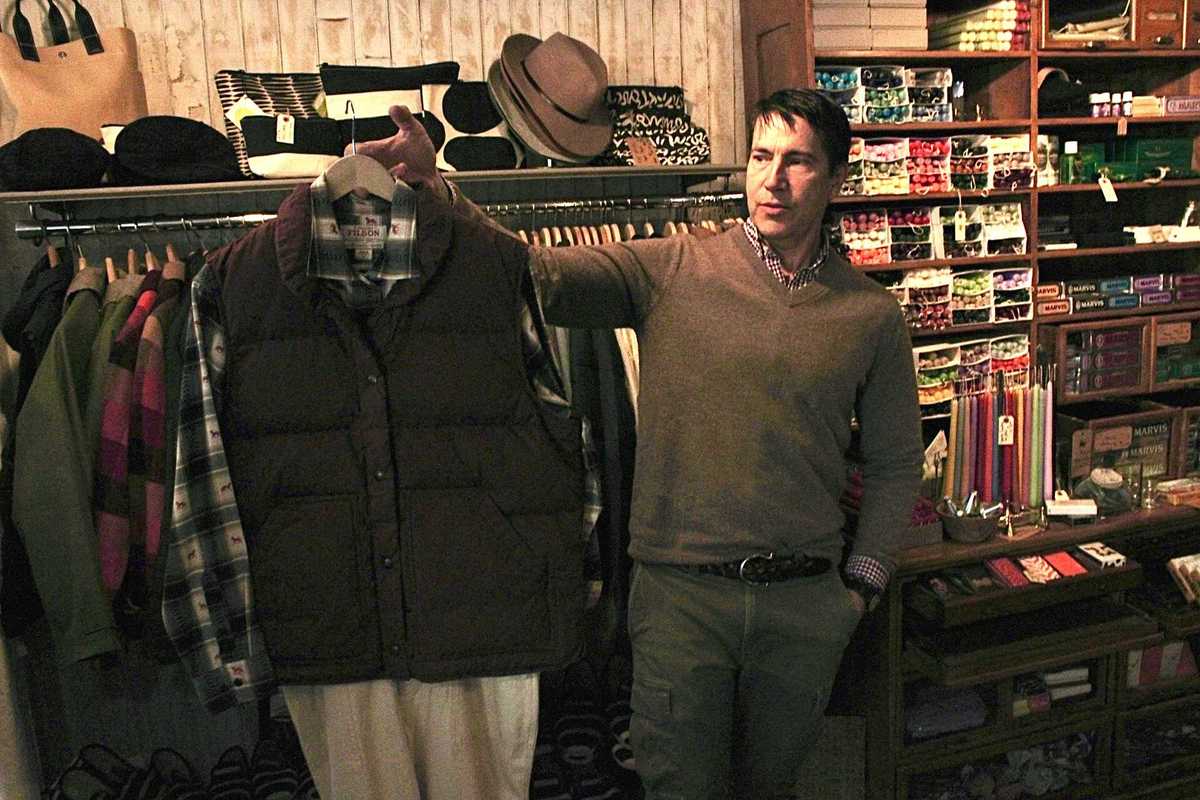
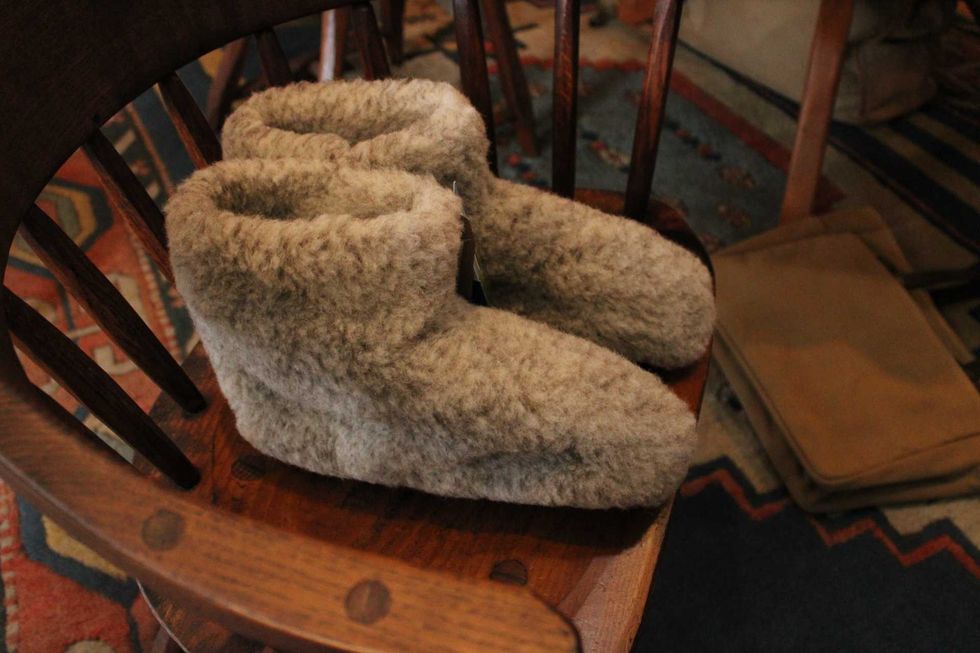 Keep your feet warm this winter at Dutchess Trading Company.Graham Corrigan




 Wooden spoons hand-carved by Andrew Jack.D.H. Callahan
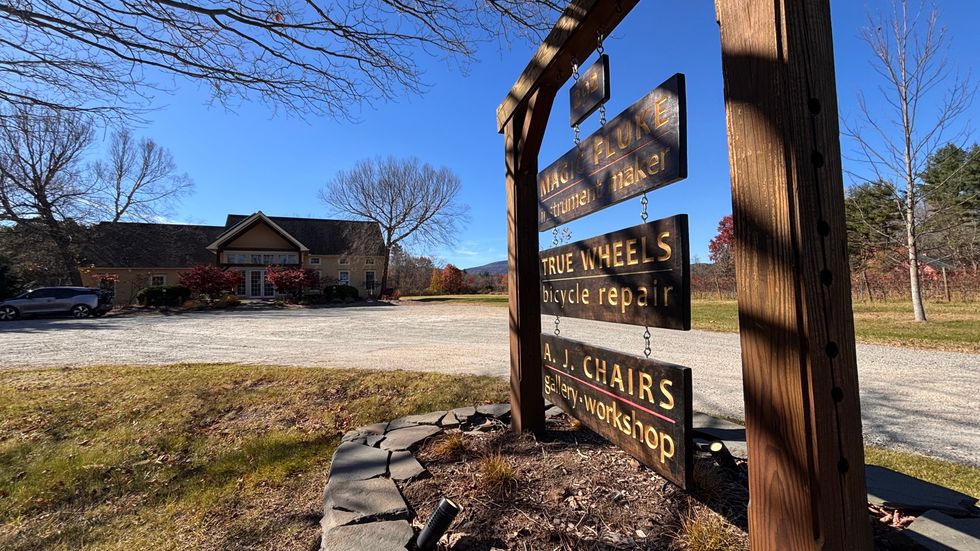 Andrew Jack shares studio space with similar businesses in Sheffield. D.H. Callahan


 Radio City Music Hall in New York City.Provided