Thank you!
Your support is sustaining the future of local news in our communities.

Thru hikers linked by life on the Appalachian Trail

Thru hikers linked by life on the Appalachian Trail

Riley Moriarty

Provided

Of thousands who attempt to walk the entire length of the Appalachian Trail, only one in four make it.

The AT, completed in 1937, runs over roughly 2,200 miles, from Springer Mountain in Georgia’s Chattahoochee-Oconee National Forest to Mount Katahdin in Baxter State Park of Maine.

While a thru hike often begins as a solitary pursuit, hikers weave into one another’s lives on the journey. Hikers Liam Hickes, James Outlaw, Jackson O’Brasky, and Riley Moriarty – Hero, Outlaw, Rabbi, and White Claw as they are known on the trail – were strangers back in March but have now traveled together for months.

Great Falls, Falls Village.Provided

Before the trail, Moriarty – originally from Columbia, South Carolina – worked as a carpenter and lived in a yurt in Asheville, North Carolina. He went on a weekend long camping trip with friends and dreamed of a longer excursion in the woods.

Outlaw too craved adventure. Growing up in Atlanta, Georgia, he had hiked sections of the AT with his dad and always wanted to do the full trek. While working at a food truck in Boone, North Carolina, he decided to commit to the challenge.

Hickes is also from Atlanta and had no idea the AT started in Georgia until reading author Andy M. Davidson’s book “When Sunday Smiled.” Inspired by the story of a retired Navy officer, he began to plan his own journey. Following service in the Marine Corps, he got on the trail as early as possible, hoping to be surrounded by fellow hikers.

O’Brasky spent much of his life among crowds in the cities of Hartford and New York City and sought the wilderness as an escape. A painter by trade, he applied for the Elizabeth Greenshields Grant with a proposal to hike the AT. After losing his job, O’Brasky received the grant and embarked on this six-month quest.

Liam Hickes.Provided

Life on the trail can be monotonous. “People romanticize thru hiking, but it’s important to remember that it’s just walking,” said Outlaw. A night of burgers, beer, and civilization is sure to lift spirits and remedy the backcountry blues.

But mostly the hikers enjoy settling into the steady rhythm of a slower, quieter existence: taking siestas on hot days, letting thoughts wander, and gradually moving forward. “I get bored very easily, and I really have not been bored often out here,” said O’Brasky.

Throughout the journey, these individuals have confronted wildlife, weather, and rugged terrain: praying not to flip while rafting down the Shenandoah River, laughing in delirium through a North Carolina snowstorm, befriending wild ponies, and soaking up stories of strange characters they meet.

Jackson O'BraskyProvided

When the trail tests their resilience, they manage to sustain a gentle hum of optimism. A moment of sunshine can erase all recollection of the storm that soaked their belongings.

With everything they need in their packs – tents, sleeping bags, three days’ worth of food – they are not tied to societal expectations or any physical place. Each roams freely and independently, deciding when to push and when to rest, but they camp together almost every night. Comradery makes the undertaking less daunting and memories more meaningful. “Being around others who want the same thing I want enhances everything,” said Hickes.

James Outlaw.Provided

Chipping away at this objective bestows a rewarding sense of accomplishment. “It’s always a big deal,” said Moriarty, “30 miles was a big deal. 100 miles was a big deal. I was really impressed with myself. Now it’s 1500, but it’s the same kind of feeling.”

As they approach Katahdin, minds wander to life post-trail. Hickes plans to start school in Louisiana with friends, while O’Brasky is unsure whether he will stay in New York City. Moriarty is considering joining the Coast Guard (though first he must figure out exactly what they do) and Outlaw is looking forward to a potential move to Colorado.

While they will put down their packs — at least temporarily — these men will carry willingness to be uncomfortable and determination to persevere wherever they go.
Latest News

Doug Tallamy’s work in progress: saving the planet one backyard at a time

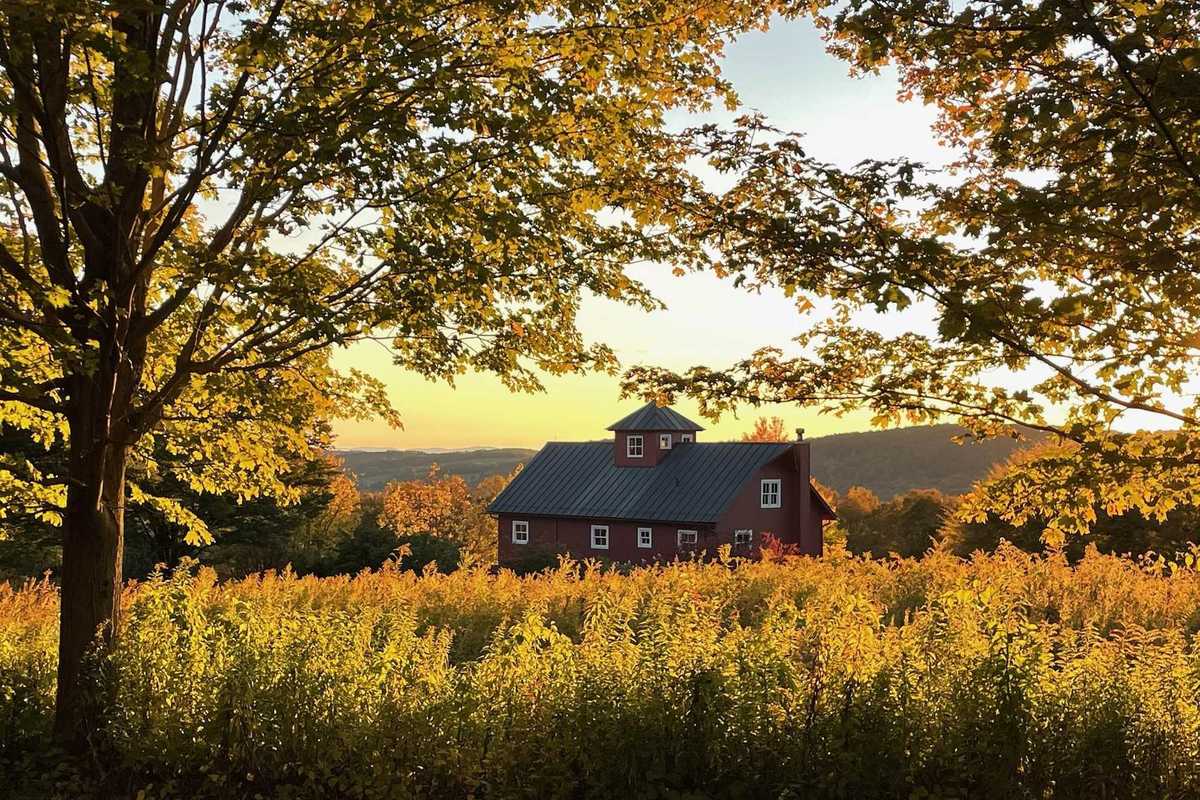
Windacre, a 25-acre property in Millerton will be the site of “Work in Progress,” an afternoon with acclaimed entomologist, New York Times bestselling author and Homegrown National Park co-founder Doug Tallamy.

Provided

For nearly three decades, Doug Tallamy, a professor at the University of Delaware and co-founder of Homegrown National Park, has studied the intricate relationships between native plants, insects, birds and the ecosystems that sustain them. His books, including “Bringing Nature Home” and “Nature’s Best Hope,” have helped shift the conversation about conservation from something that happens primarily in parks and preserves to something ordinary people can practice on the land around them.

On Sunday, Oct. 4, Tallamy will bring that conversation to Windacre in Millerton for “Work in Progress: Toward Native Fields,” an outdoor gathering exploring both the possibilities and the complications of restoring private land for biodiversity.

Keep ReadingShow less
Celebrating Dick Hermans’ life built around community

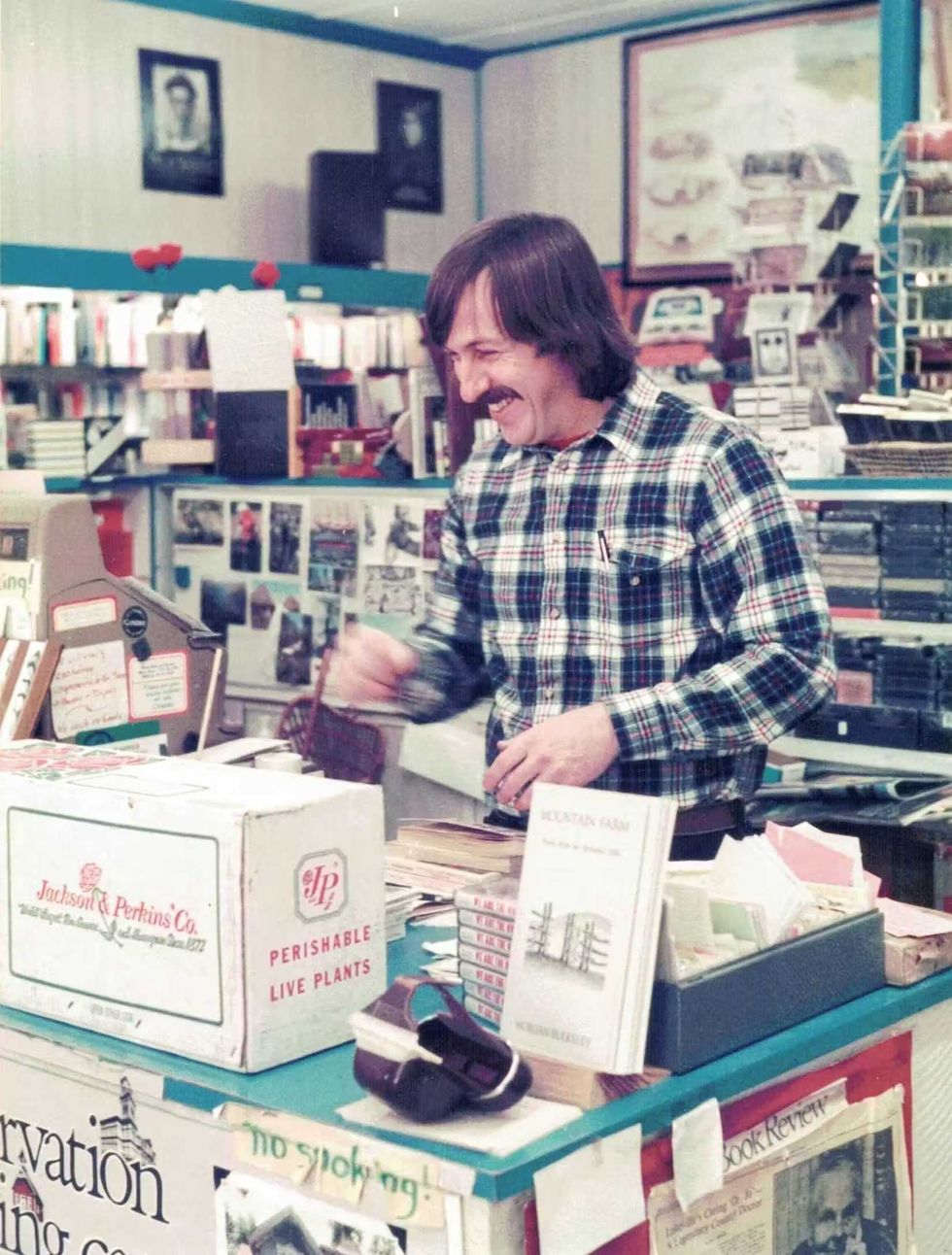
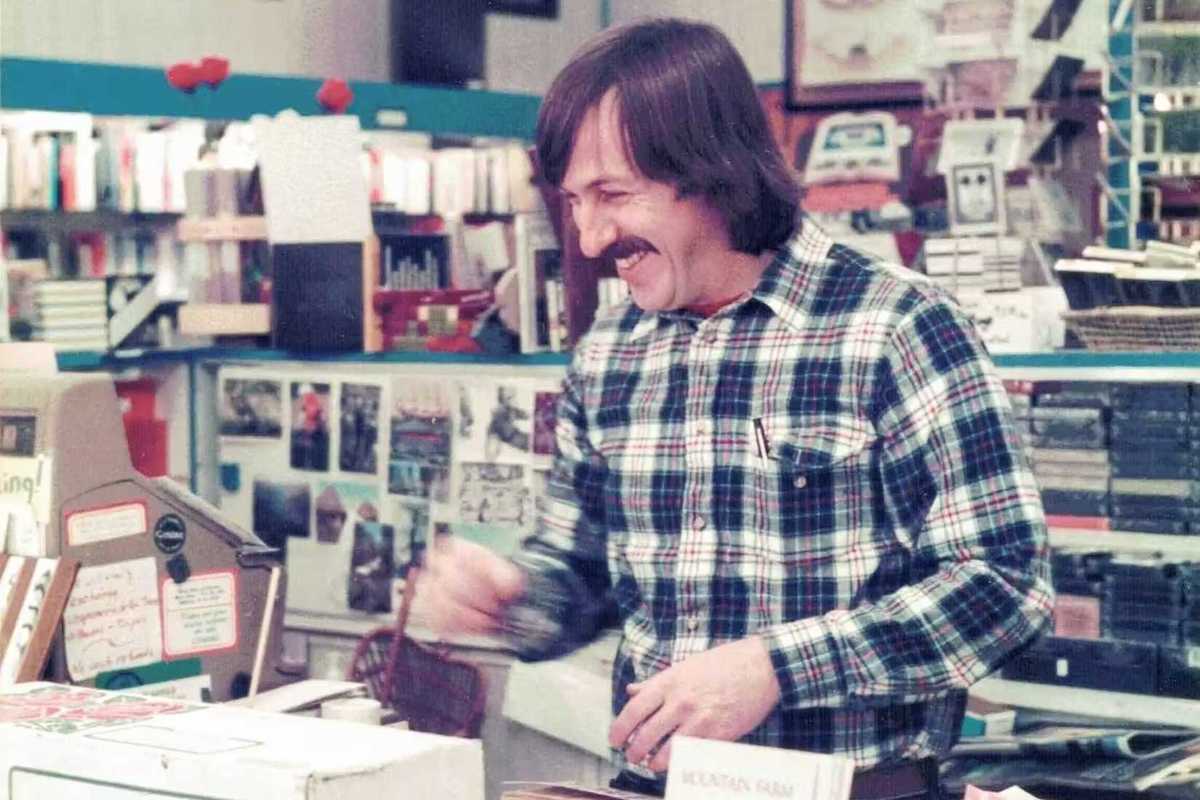
Dick Hermans in the Oblong Bookstore on Millerton\u2019s Main Street in 1985.

Provided
No matter what I’ve done, I’m trying to be useful to the communities I’m associated with.
— Dick Hermans

When Dick Hermans receives the Estabrook Community Leadership Award on Oct. 11, he will accept it for a lifetime of work that has taken many forms: bookseller, radio host, school board member, advocate for the Harlem Valley Rail Trail, business owner, volunteer and, perhaps most importantly, a person who has consistently looked for ways to be useful to the communities around him.

The Lakeville Journal and The Millerton News will present Hermans with the 2026 award at the annual Jubilee celebration at the Sharon Playhouse. The award honors outstanding leadership in community service and was inspired by Mary Lou and Robert Estabrook, former owners of the newspapers who believed that strengthening a community extended well beyond the work of publishing a newspaper.

Keep ReadingShow less
Tending the Fire: Homelands PowWow brings Mohican culture home to the Berkshires

Members of the Stockbridge-Munsee tribe at Homelands PowWow in 2025.

Joeseph Plante New Media Storytellers
Our goal is to continue building an annual gathering that honors the history, culture and traditions of the Stockbridge-Munsee Band of Mohicans in their original Homelands.


For the Stockbridge-Munsee Mohican people, the Berkshires are not simply a place to visit. They are ancestral homelands.

Keep ReadingShow less
google preferred source

Want more of our stories on Google? Click here to make us a Preferred Source.

Ancram Center’s “A Number” doubles questions of identity
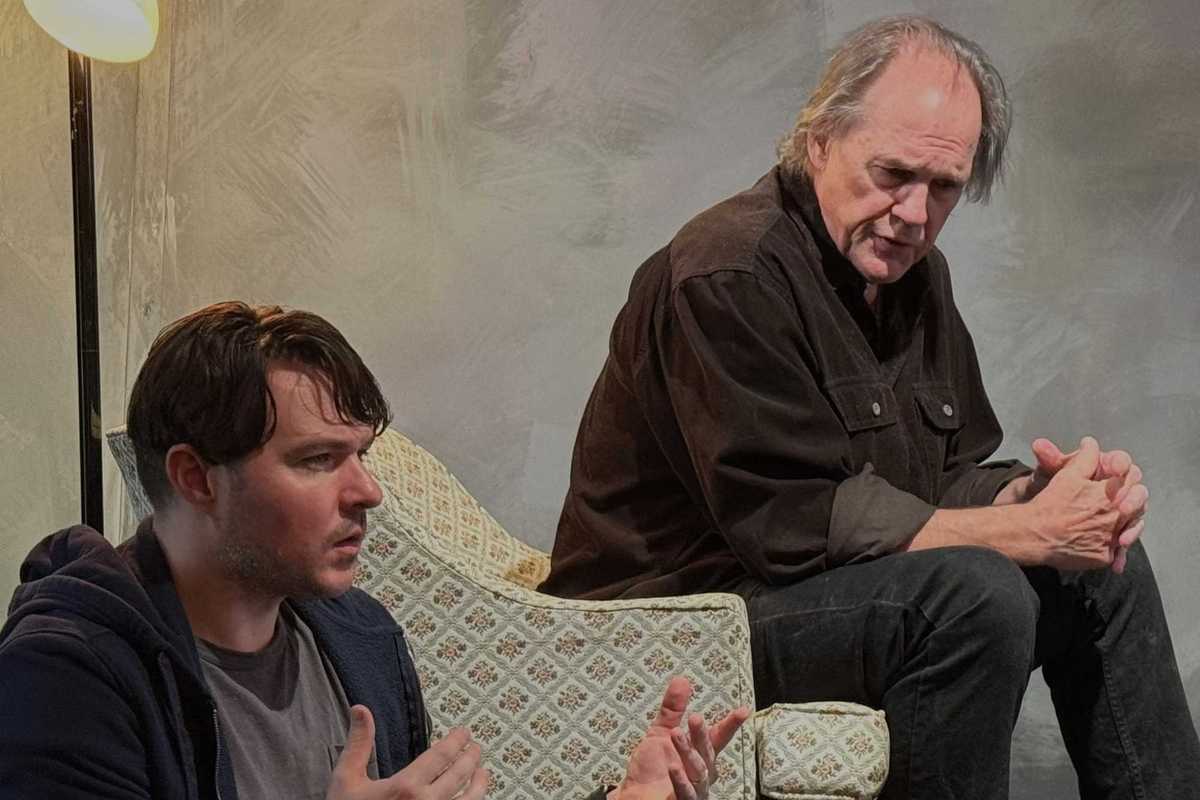
Ledbetter (left) and Wojda (right) on the set of “A Number” at Ancram Center for the Arts.
Jeff Mousseau

How would you feel if you found out you weren’t the only you — if there was an exact replica of you? What if you found out that you’d been cloned? Would you believe that you’re the real you? Would you suspect you might be a copy of the original? How could you be sure anything about your life was real? These are some of the questions posed in Caryl Churchill’s play “A Number,” opening at the Ancram Center for the Artson Oct. 1.

Churchill was born in London in 1938 and has been hailed by the theaterl world as one of the strongest voices of her time to take on sexual politics and feminist themes. Her works garner pointedly considered analysis from the highest levels of theatrical intellectualism. Basically, it’s about as far from “The Lion King” as you can get. While she’s experimented with dance theater in the past, “A Number” is much more stripped down, highlighting Churchill’s chosen themes and the skills of both actors on stage.

Keep ReadingShow less

Dispatches from the Farm

Dispatches from the Farm

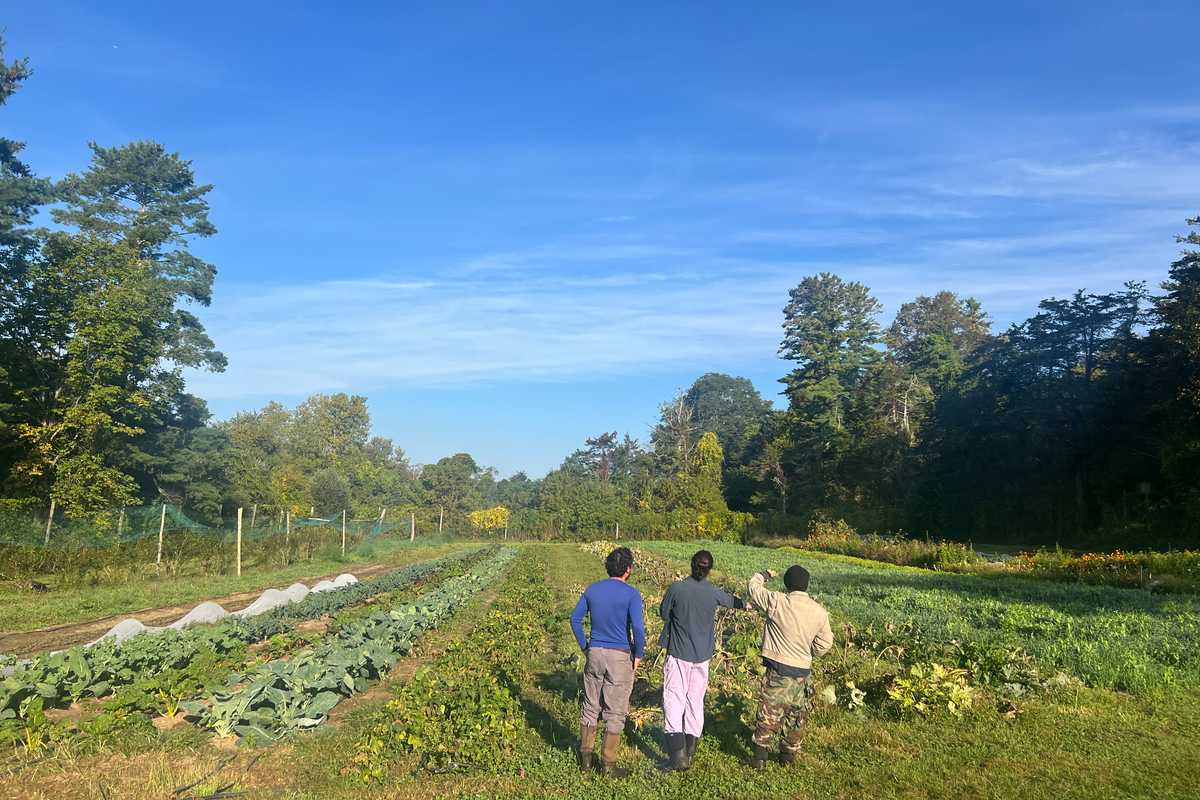
Adamah Farm crew members planning out the day’s tasks on a late September day.

Janna Siller

“Dispatches from the farm” is a new, periodic column offering a firsthand look at the rhythms, challenges and rewards of farming through the eyes of a local farmer.

The thing about plants is that they can’t get up and move. When a storm like last weekend’s nor’easter threatens to roll through, you can’t just round everybody up and settle them safely on the sofa for movie night.

Keep ReadingShow less
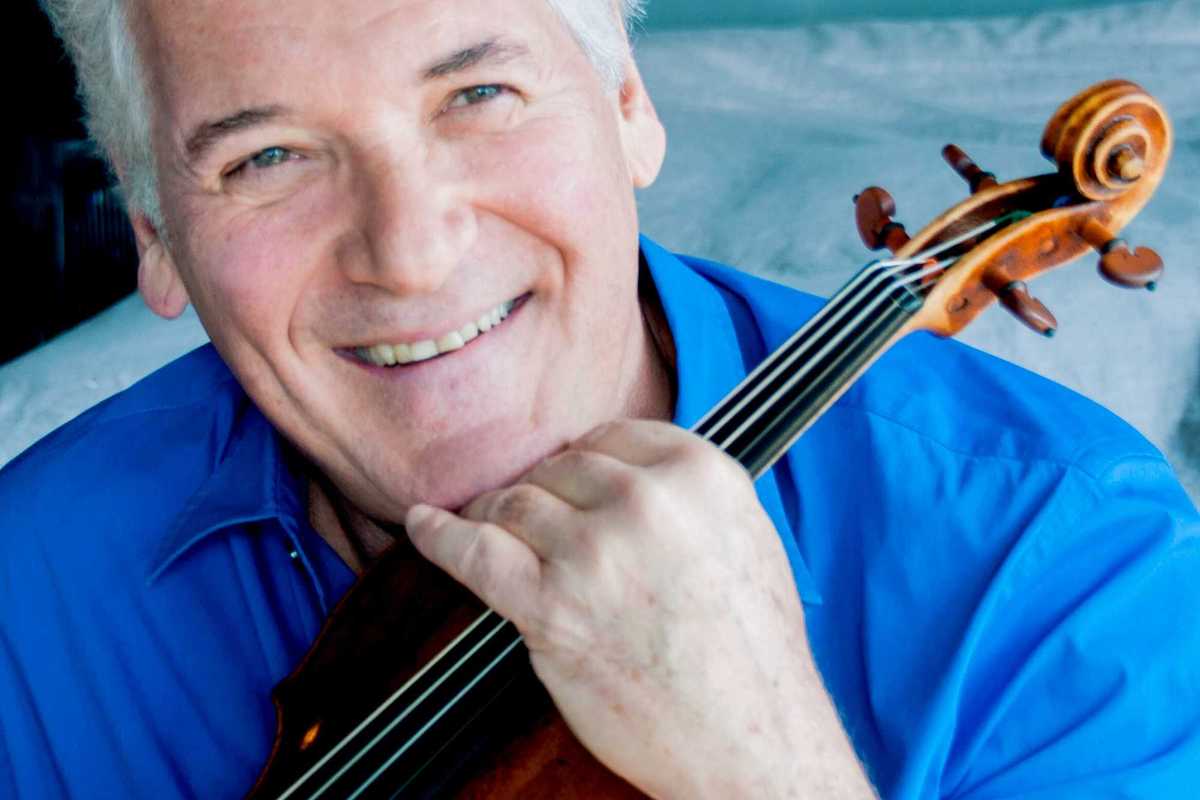
Pinchas Zukerman brings an all-Beethoven program to Hotchkiss

Pinchas Zukerman to perform at Hotchkiss Oct. 4

Cheryl Mazak

The passion, drama and energy of Beethoven will fill Katherine M. Elfers Hall at The Hotchkiss School on Oct. 4, when world-renowned violinist Pinchas Zukerman is joined by pianist Shai Wosner for a special recital.

The 4:30 p.m. program at the Esther Eastman Music Center will feature three of Beethoven’s celebrated violin sonatas: Violin Sonata No. 4 in A minor, Op. 23; Violin Sonata No. 5 in F major, Op. 24, “Spring”; and Violin Sonata No. 7 in C minor, Op. 30.

Keep ReadingShow less
google preferred source

Want more of our stories on Google? Click here to make us a Preferred Source.

google preferred source

Want more of our stories on Google? Click here to make us a Preferred Source.