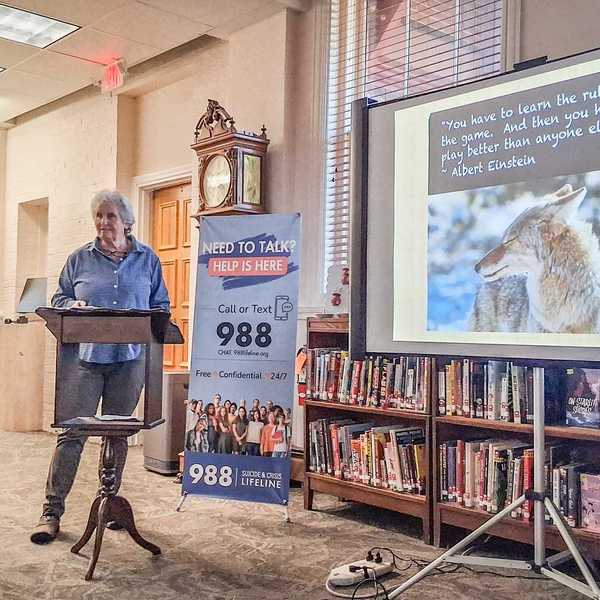
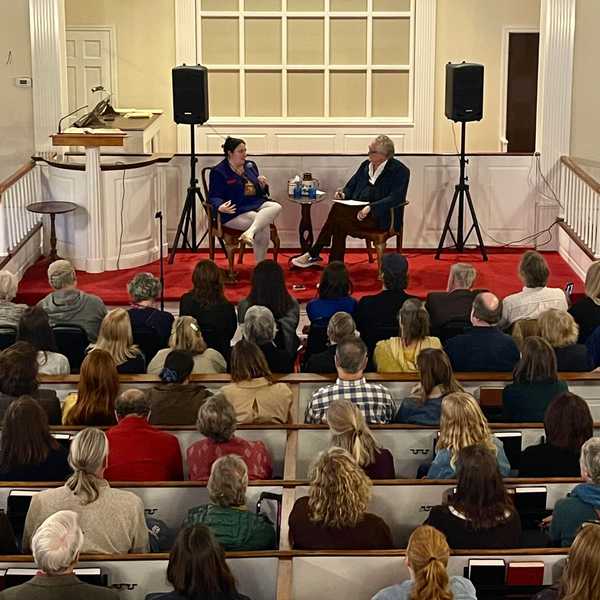
FALLS VILLAGE — The Declaration of Independence includes a long list of grievances against King George III. At the David M. Hunt Library on Nov. 14, Irene Norman asked what those grievances would sound like if Tribal Nations were making their case against the United States.
Norman, director of educational programming at the Institute for American Indian Studies in Washington, Connecticut, drew parallels between the colonists’ complaints and the treatment of Native Americans, from forced removal in the 19th century to disputes over federal authority today.
The Declaration “has no inherent legal authority,” Norman said. She argued that its proclamation that “all men are created equal” applied in practice to white male landowners, while their understanding of property encompassed enslaved people and Indigenous lands.
She began with the first grievance, which accuses the king of refusing “his assent to laws, the most wholesome and necessary to the public good.” Norman drew a parallel to federal limits on tribal authority. She cited the Major Crimes Act of 1885, which placed certain serious crimes under federal jurisdiction, and the Indian Civil Rights Act of 1968, which limits the penalties tribal courts can impose. She also pointed to Oliphant v. Suquamish Indian Tribe, the 1978 Supreme Court ruling that tribes generally lack criminal jurisdiction over non-Indians.
Several grievances accused the king of maintaining standing armies without the consent of colonial legislatures and placing military authority above civilian power. Norman compared those complaints with the use of federal troops to carry out the forced removal of Indigenous people from the southeastern United States. Between 1830 and 1850, about 60,000 members of the Cherokee, Muscogee, Seminole, Chickasaw and Choctaw nations were displaced to territory west of the Mississippi River in removals collectively known as the Trail of Tears.
Norman also cited contemporary disputes over federal immigration enforcement, including construction of the border wall along the Tohono O’odham Nation’s reservation in Arizona and the Florida immigration detention facility known as “Alligator Alcatraz,” which the Miccosukee Tribe has opposed.
The Declaration’s final grievance accuses the king of trying to bring “the merciless Indian savages” against “the inhabitants of our frontiers.” Norman replaced “frontiers” with “homelands” and “Indian savages” with “colonists.” She said the reference to Native Americans came at the end of the list to “get the colonists riled up.”
Norman said the founding and expansion of the United States brought “great upheaval to Indigenous Communities,” including those who fought alongside the colonists.
“Over the last 250 years, the United States has subjected Tribal Nations to the majority of ‘abuses and usurpations’ listed in the Declaration of Independence to justify breaking away from Great Britain,” she said.





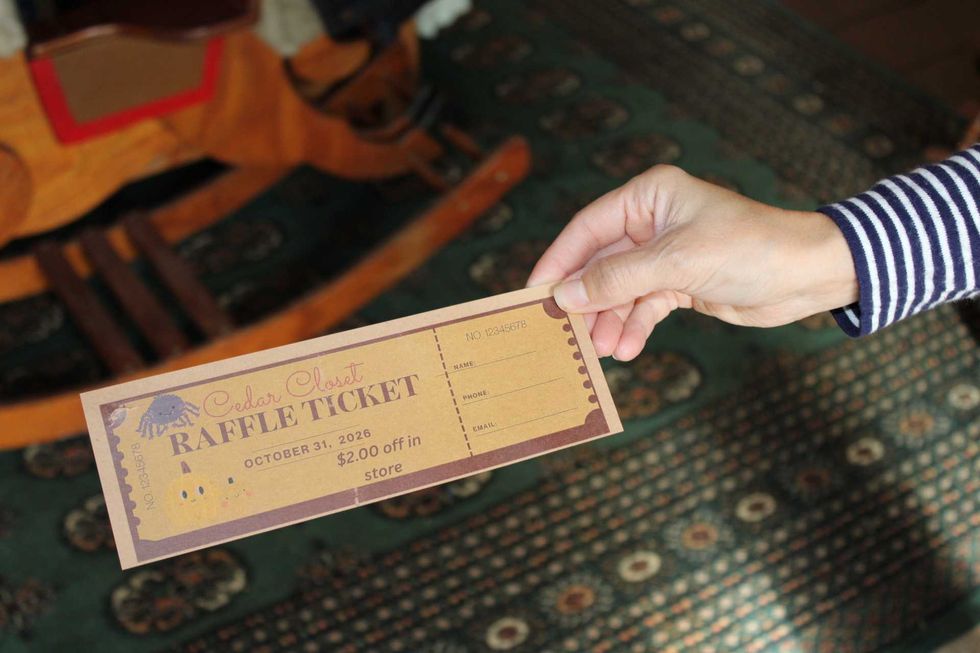
 Lots of stocking stuffers and more!Natalia Zukerman

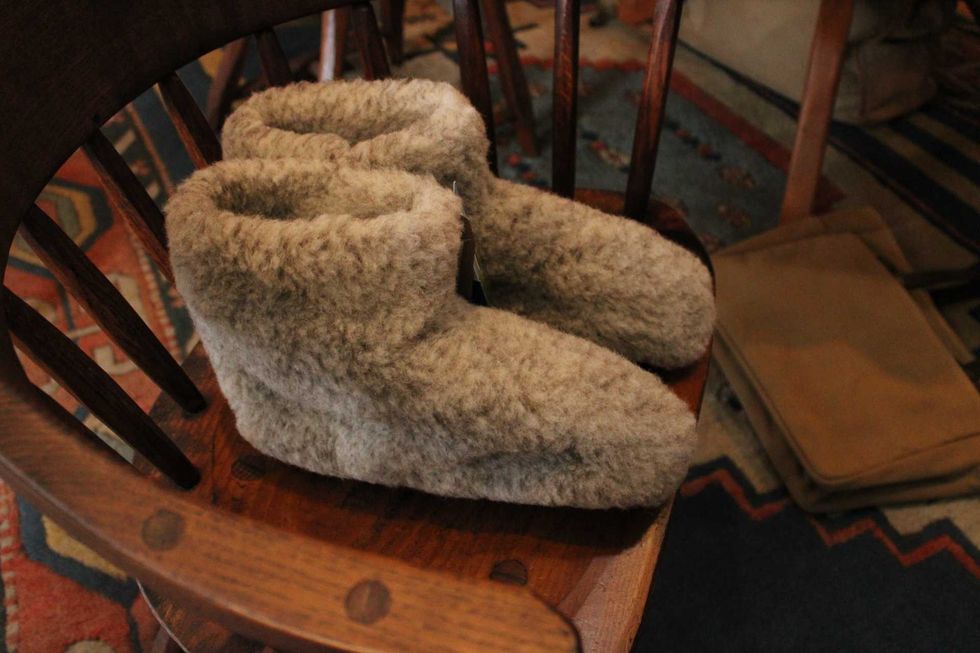 Keep your feet warm this winter at Dutchess Trading Company.Graham Corrigan




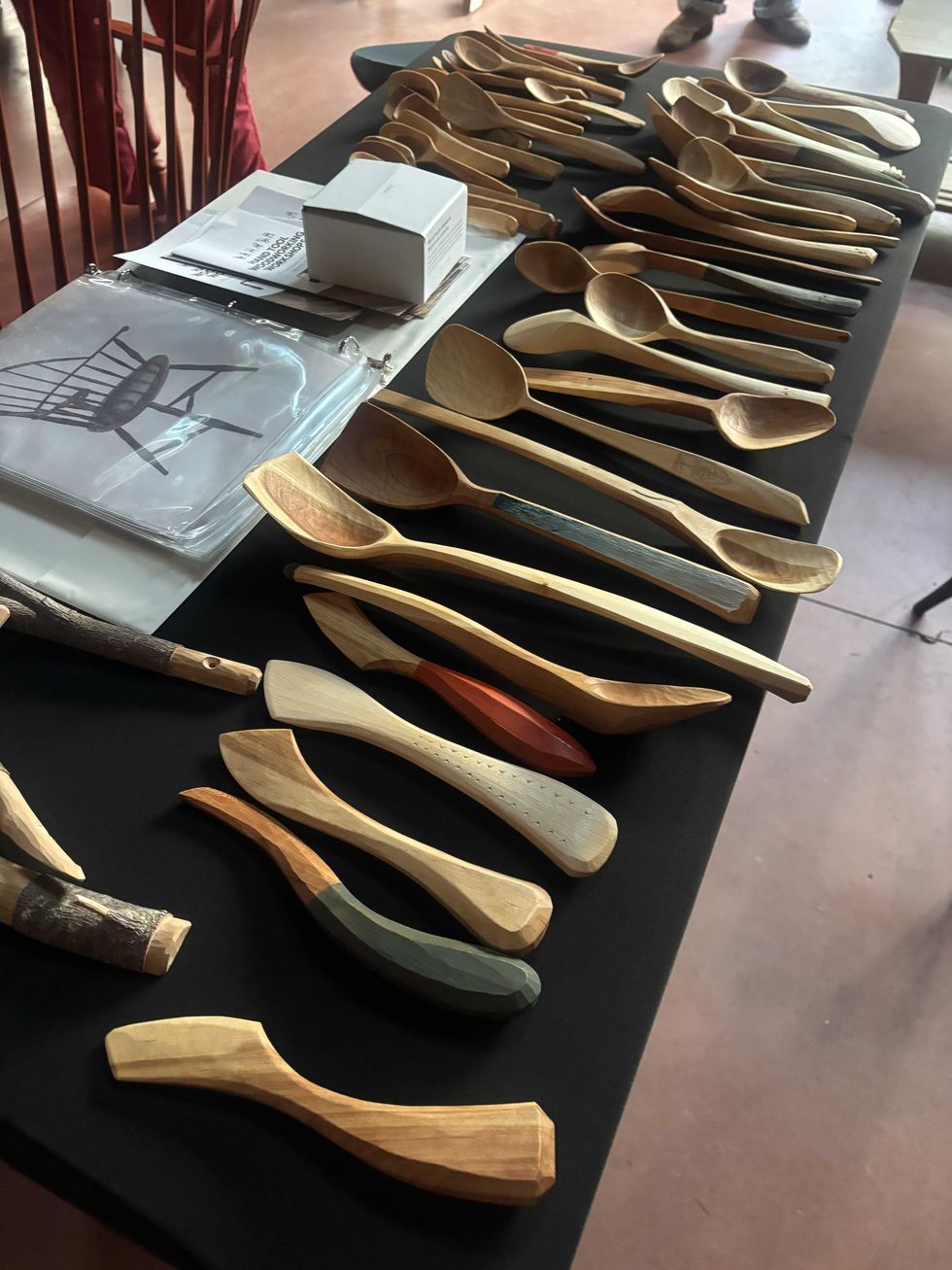 Wooden spoons hand-carved by Andrew Jack.D.H. Callahan
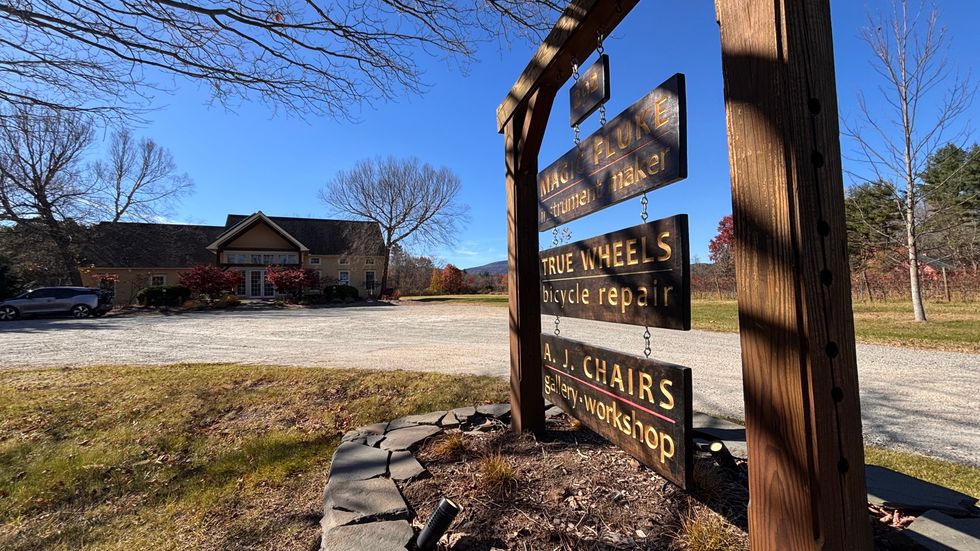 Andrew Jack shares studio space with similar businesses in Sheffield. D.H. Callahan

 Radio City Music Hall in New York City.Provided