On Friday, Dec. 4, blues guitarist, singer and songwriter Sue Foley will perform at Infinity Hall in Norfolk. Compass editor Natalia Zukerman interviewed Foley in March 2025 about her work and her latest project, “One Guitar Woman,” in which Foley honors the women who helped shape guitar history. The interview originally appeared in the May-June issue of Acoustic Guitar magazine.
Here is an edited version of the interview.
NZ: Tell me about the flamenco guitar you played on this album. Did you just come across it, or did you know the luthier?
SF: I actually went on a pilgrimage to Paracho, Mexico — a fantastic town in the mountains of Michoacán. It’s a dream for guitar players! You drive in, and there are guitar shops everywhere, builders on every street and people walking around with guitars. You can visit workshops and talk to the luthiers, which I did. It was a really special experience.
NZ: Did it take time to adjust from your trusty Telecaster to this nylon-string guitar?
SF: I’ve been playing Spanish-style nylon-string guitars for a couple of decades, so I’m pretty comfortable switching. The neck is wider, but a lot of right-hand principles transfer between the Tele and nylon-string. I do a lot of open right-hand playing and use a thumbpick, so the transition feels natural. There’s a lot of nuance and tone variation — whether you play with your fingertips, the edge of your nail or a pick.
NZ: Were many of the songs on “One Guitar Woman” already in your repertoire?
SF: It took time to develop them. I’d been working on this project in different forms for years — it actually started as a book I’m still trying to finish. Everything took on a life of its own, and when the album happened, I was ready. But getting to that point took a long time.
NZ: Wow. What’s the book project?
SF: It’s a collection of my interviews with women guitarists, which I started in 2001. It’s had several offshoot projects, but for some reason, the book has taken the longest to finish. This record isn’t based on those interviews. When thinking about how to represent that study as a musician, I turned to the historical pioneers because I’m a traditional artist.
NZ: I understand that getting a Memphis Minnie record when you were 16 was a pivotal experience. Was that what first exposed you to the pioneers?
SF: It really was. I think we take for granted now that there are thousands of great women players, but that’s been an evolution. There was a time when there were none. Then there was one. Then Sister Rosetta Tharpe. Where did Memphis Minnie get the idea that she could go play guitar like a man and run around? Nobody did that in the ’30s. You could count them on one hand. I find it fascinating — what their lives were like, but also their mindset. What kind of person thinks that far outside the box? To me, it’s not just about gender — it’s about people who were different in a really cool way.
NZ: Your whole family played guitar, but it was all boys, right?
SF: Yes, my dad and my brothers. When I was a kid, there weren’t many women playing. I’d always notice, “Hey, there’s one,” and it made me think, OK, I can do this, too. Having my family play made it natural, but seeing another woman doing it really stuck with me.
NZ: Absolutely. Representation matters. Do you mentor any younger women players?
SF: Not directly, but I guess this is my way of doing that.
NZ: Your rhythmic sense is rock solid. The original recordings of these songs really move, but your versions feel very grounded. Did you practice with a metronome?
SF: With the Maybelle Carter stuff — especially the Carter scratch — I practiced with a metronome. When working on my solo show, I find all my tempos and practice with them to lock them in. When you’re solo, there’s no safety net — you’re on a tightrope. Strong rhythm is key. Thanks for noticing!
NZ: Did you write “Maybelle’s Guitar” specifically for this record?
SF: I wrote that a few years ago while touring. I had started on the book, interviewing and then researching the past, which I’d already kind of been doing my whole life but started doing with a lot more depth. And then I ended up back in school. I don’t have an undergraduate degree, but I jumped into a master’s program at York University in Toronto. I’m kind of a natural researcher, so I thought university would be OK. I went in for composition, and “Maybelle’s Guitar” was one of my songs that I’d written. I focused on pioneering women guitar players and was studying Lydia Mendoza and Memphis Minnie, and that grew into my Ph.D. So these are all offshoot projects from my Ph.D. I just don’t talk much about the academic side because I don’t want to sound like a chin-scratching academic [laughs].
NZ: Speaking of influential women in guitar history, you mention a Charo performance in your liner notes that had a big impact on you. Do you remember what it was?
SF: Yeah, it was probably a variety show from the late ’60s or early ’70s. Charo was the first woman I ever saw really play guitar. I grew up with her and always loved her. In this video, she comes out in a tuxedo, her hair is full and beautiful — it just struck me. We took her for granted because she was everywhere, but when you really consider her artistry and ability, it’s astounding. She was way ahead of her time.
NZ: You say her entertainment value overshadowed her talent. Do you think that was just sexism in how she was portrayed?
SF: She put it all out there and was unapologetic about it. Even now, she still wears short skirts and bounces around on Instagram — but she’s also incredibly serious about her playing.
NZ: You’ve spoken about a responsibility to bring this music into the present. Do you feel that putting your own spin on it is another way of honoring these artists?
SF: Absolutely. As a blues artist — especially a traditional one — I interpret a lot of other people’s work. But you still have to find your own way. You have to be honest with the material and make it your own. That’s key to playing older music.
NZ: Were there any women you wanted to include on this record but didn’t have space for? Any chance of a part two?
SF: I don’t know about a part two. Right now, I just want to finish my book — I actually have to deliver it this year. And honestly, I’d like to focus on myself for a while. There were artists I would’ve loved to include, like jazz guitarist Mary Osborne, but that would’ve required an ensemble, which didn’t fit this solo album. At a certain point, I just needed to finish it. But there’s still plenty of material out there — definitely a lot of meat on the bone.
NZ: Do you ever feel haunted by these musicians, or are they leaving you alone?
SF: Not haunted — honored. I love introducing people to these artists. At shows, I get folks who’ve never heard of them, sometimes just because they have a theater subscription. They come up afterward saying, “Wow! I had no idea. This is amazing.” And now they know who Memphis Minnie is — which they should! She’s important.
I do feel a bit haunted by some of the women I interviewed for my book, though. I’ve been carrying their stories for over 20 years, and some have passed away. In that sense, I’m traveling with ghosts. I’m excited to finally deliver the book and, in a way, put those stories to rest — make sure they land where they’re supposed to.
To read the whole interview and bonus tutorial, visit acousticguitar.com.
Sue Foley will perform with GA-20 at Infinity Hall in Norfolk on Friday, Dec. 4, at 8 p.m. For tickets, visit infinityhall.com.


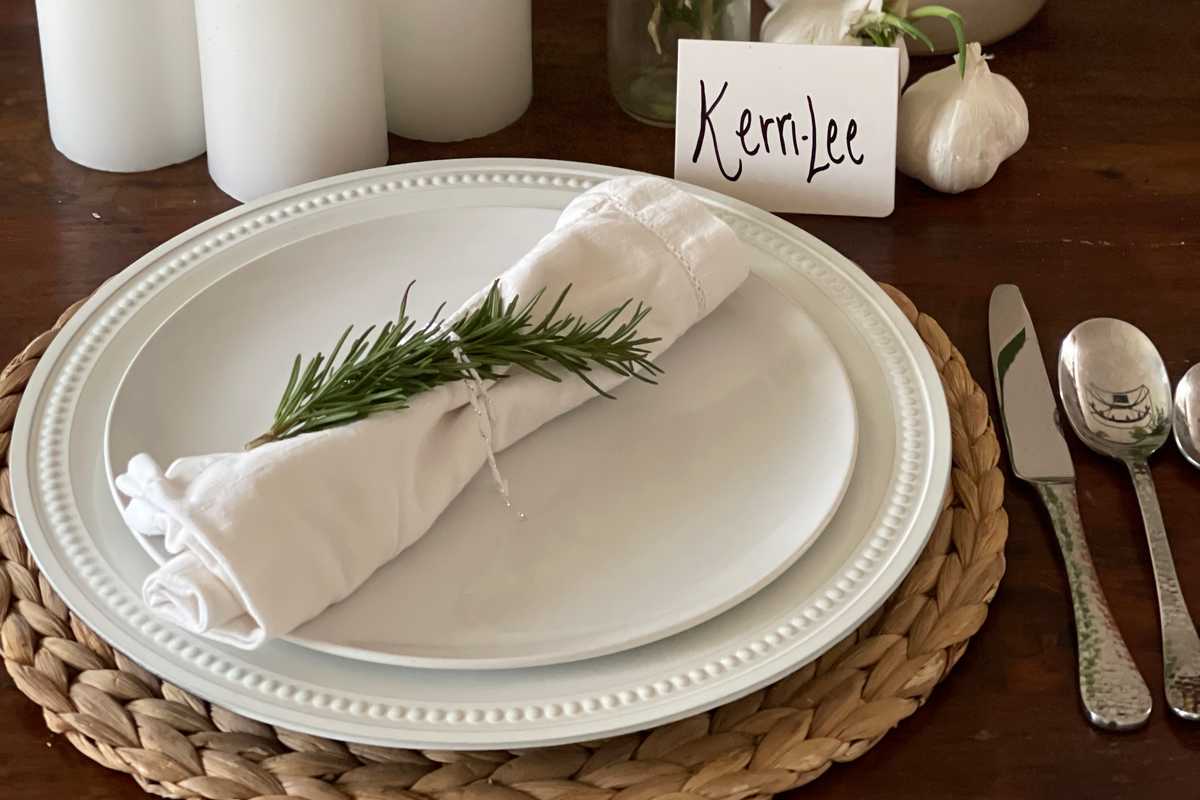
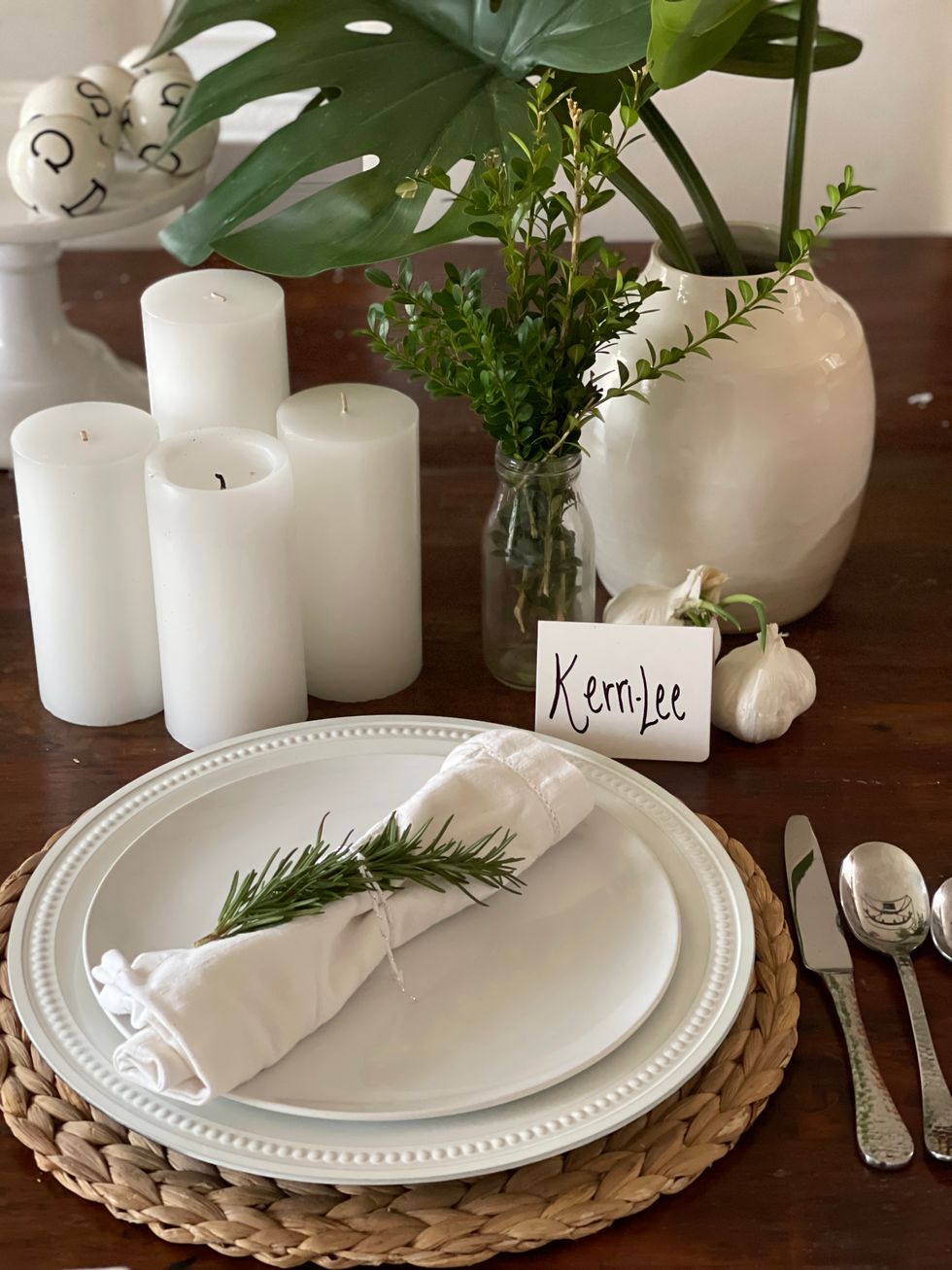 White plates for the win! The food will be the star while seasonal herbs make for fragrant decor.Kerri-Lee Mayland
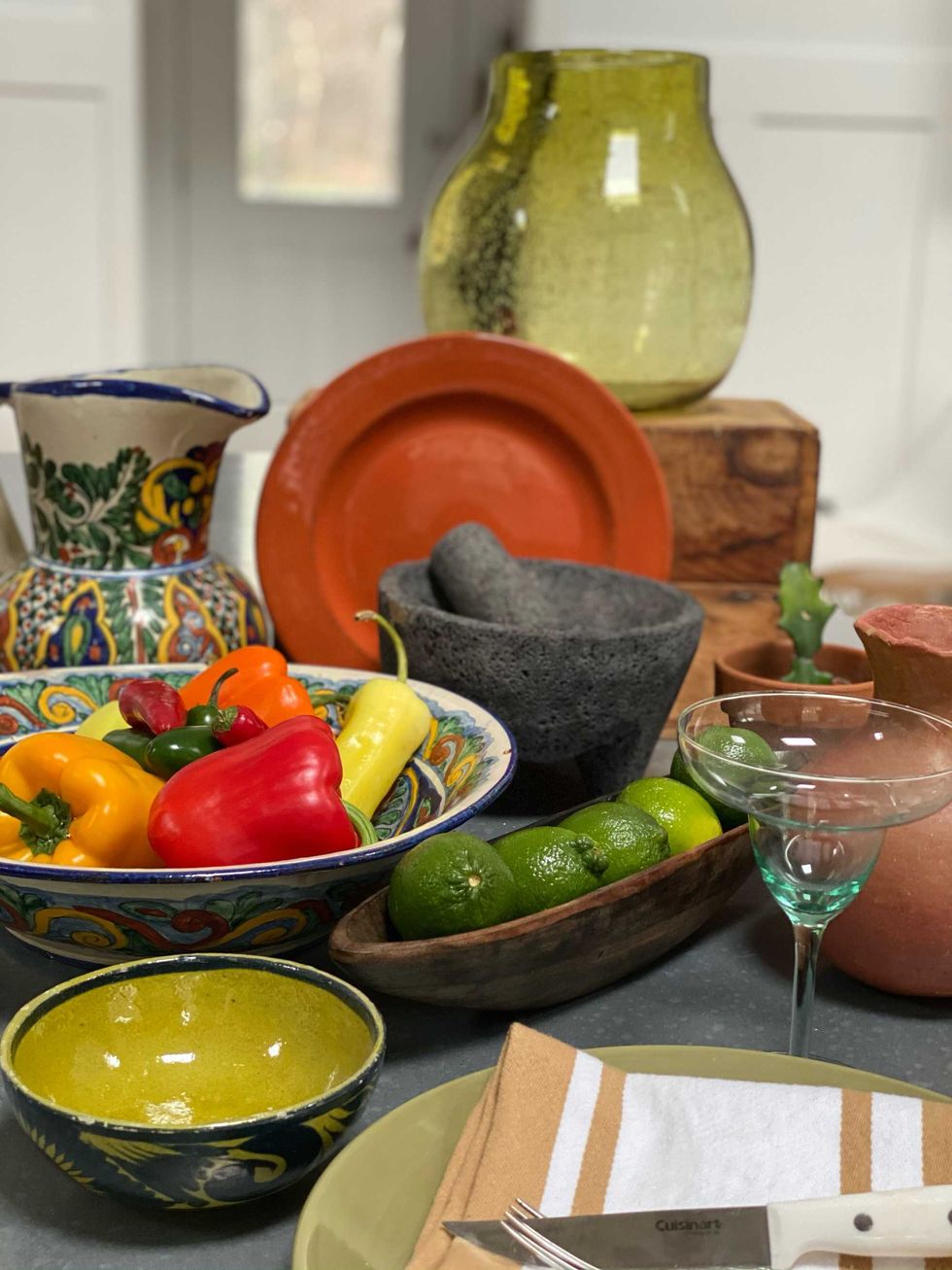 Shop the house! A favorite bowl or pitcher from your travels, a ceramic bowl your child made, use a wooden vessel for fruit that can become part of the centerpiece.Kerri-Lee Mayland
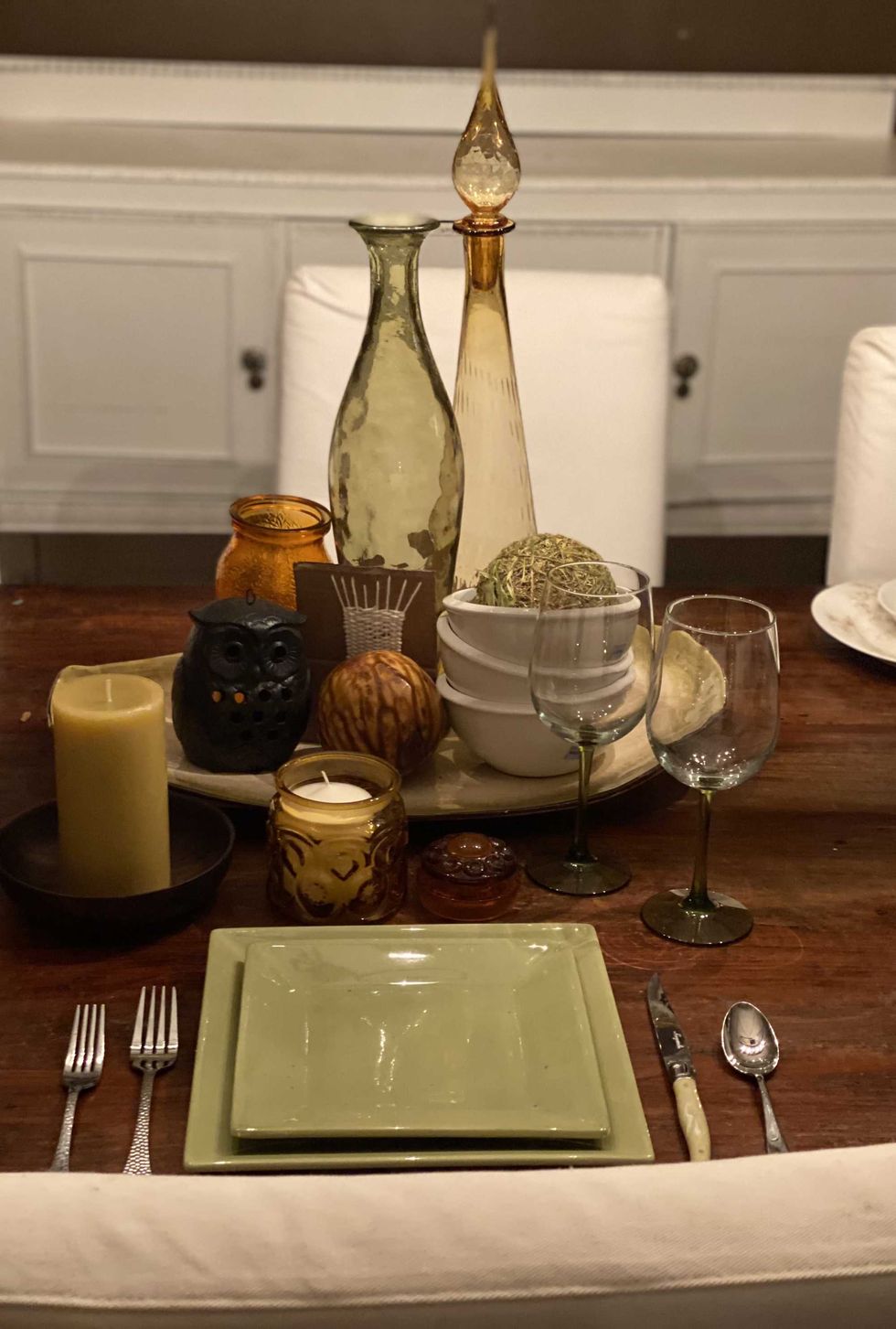 Thrifted mismatch! Gather unique unexpected things and cluster them for a fun centerpiece.Kerri-Lee Mayland

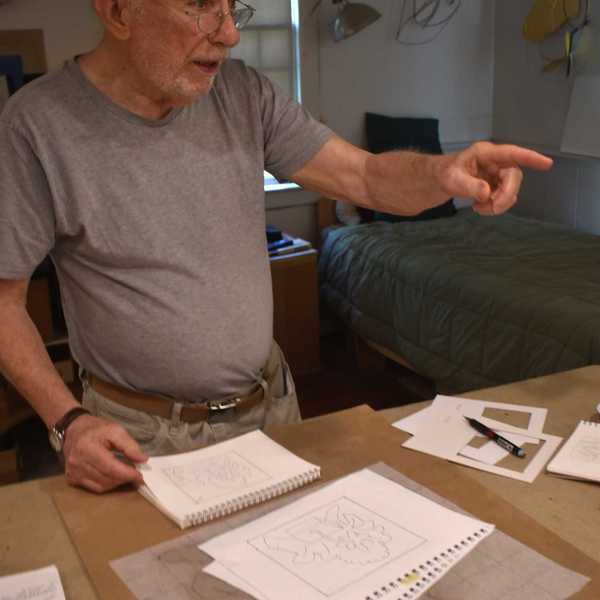
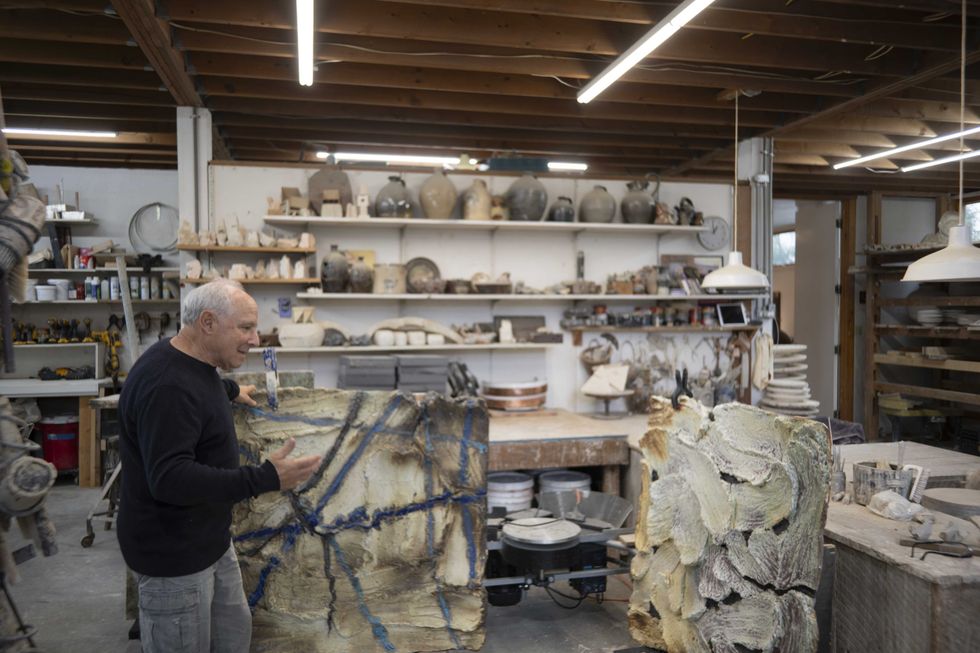 Paul Chaleff in his studio with some recent ceramic sculptures.Annette Stover
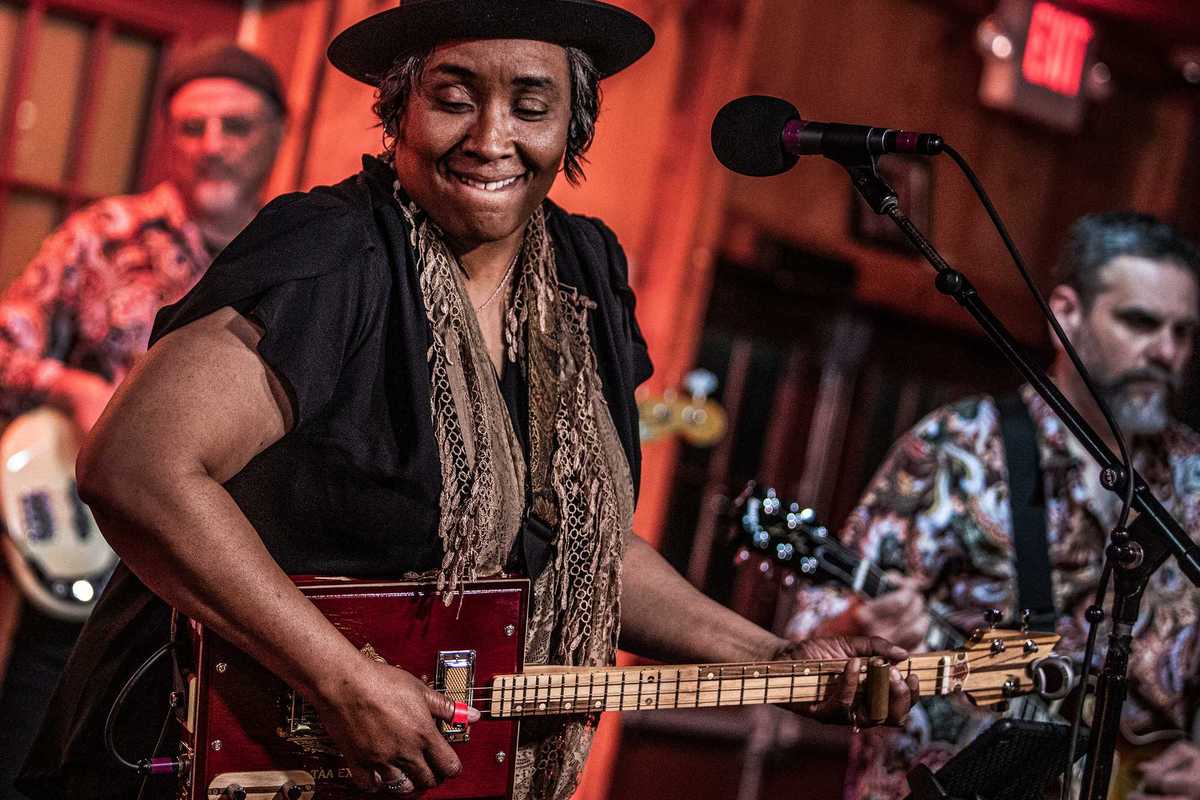

 Provided
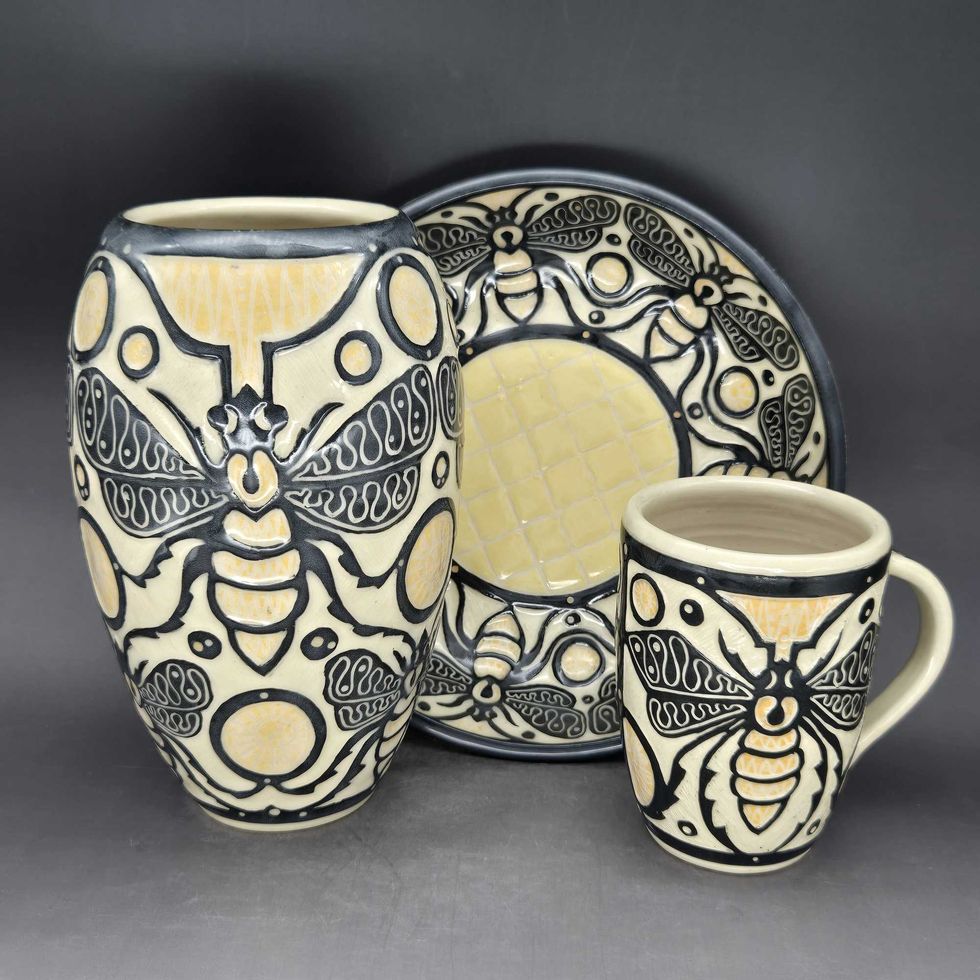 Stoneware by Dale Wolfield. Provided