I wandered into Center on Main, a community center in Falls Village, on Thursday evening, Sept. 17. where resident Greer Sillick was hosting his monthly fly-tying meetup.
I don’t tie my own. I’ve got enough problems. I know what would happen, too. In addition to an apartment packed to the bursting point with fishing gear, fishing books, and fishing DVDs, I’d also have feathers everywhere, and stray hooks on the floor, just waiting to be stepped on in bare feet while groping for the coffee maker in the early a.m.
Let’s save this for retirement.
Sillick has been doing the meetups for a while, and so far the response has been underwhelming, as in guys saying they will swing by and then failing to do so.
So it was nice when someone did show up. Erik Granfors of Bethel, Connecticut, to be exact.
He didn’t have any tying stuff with him but he said he’d show up and by golly he did.
Prior to Granfors’ arrival Sillick worked on a bass bug for an upcoming Adirondack trip. He showed me several fly boxes, all crammed with flies he tied.
He said he’s been tying for about three years.
Sillick is married to Britta Sillick, the director of the Center, and they have a daughter, now three years old.
Sillick said between the demands of his engineering job and parenthood, “I needed something to do that wasn’t looking at the phone.”
He bought some basic equipment and supplies, watched some YouTube videos, and started tying.
It seems to be working. I looked at his boxes carefully, and everything in them looked like a professional job to me.
After Granfors showed up the conversation turned to angling in general, which is to say telling stories and lying. It’s important to remember that all anglers are liars to some extent. The saving grace is they aren’t very good at it.
It was all good clean fun and Sillick finally got his deer hair bass popper to behave.
As I gathered the tools of my trade and prepared to leave, Sillick thanked me for stopping by, and gave me a couple of crayfish imitations of his own invention.
“This is what I had in mind,” he said. “People just hanging out and talking about fishing.”
The next meetup is Thursday, Oct. 29, 6 p.m. to 8 p.m. at the Center on Main, 103 Main St. in Falls Village.
One guy who isn’t lying is Farmington River guide and fly-fishing author Steve Culton, who just published the “Fly Fishing Guide to the Farmington River” (Stackpole Books).
Over my 50-odd years of fishing I have read hundreds of books on the subject, among them guides to this or that river or region.
I can safely say that Culton’s book is the best of its kind in my experience. It is absolutely jammed full of useful information, including prosaic material such as where to park and how to avoid blundering into private property.
The book fills a big hole. Aside from a 1995 booklet from the Farmington River Anglers Association and chapters in Tom Fuller’s “Trout Streams of Southern New England” (1999) and Ron Merly’s “Flyfisher’s Guide to Connecticut” (2012), plus a couple of privately printed efforts, there hasn’t been an update on Connecticut’s premier trout river, never mind a comprehensive book.
In a phone interview Thursday, Sept. 17, I told Culton that the first thing I did upon receiving my review copy was get spaghetti sauce on it. Then I mentioned that in 15 minutes of skipping around I about tripled my working knowledge of the Farm.
Culton, who has been guiding on the river for over 20 years, laughed. “In the course of doing the book I learned a lot about the river.”
He interviewed everyone who would sit still: guides, fly shop people, scientists from the state Department of Energy and Environmental Protection, you name it.
“No one person could write this book,” Culton said. “It would be the ultimate in hubris to think I could.”
A handful of people never got back to him, but “the vast majority were very enthusiastic about giving their time.”
Asked what he learned over the 11 months it took to write the book, he said he was surprised to find out “how much quality water I have not fished or even seen.”
“I have now walked or waded all 22 miles from the dam [upstream from Riverton] to Unionville.”
Culton is a wet fly enthusiast, and he is considering a book on wet fly techniques and tactics, if the interest is there.
He acknowledged that dy flies and nymphing get the bulk of angler attention. “Wet flies are the ugly stepsister. But every time I give a talk at a fishing show the room is full.”
“If you’re not swinging wets on the Farmington you’re missing out on some spectacular action.”

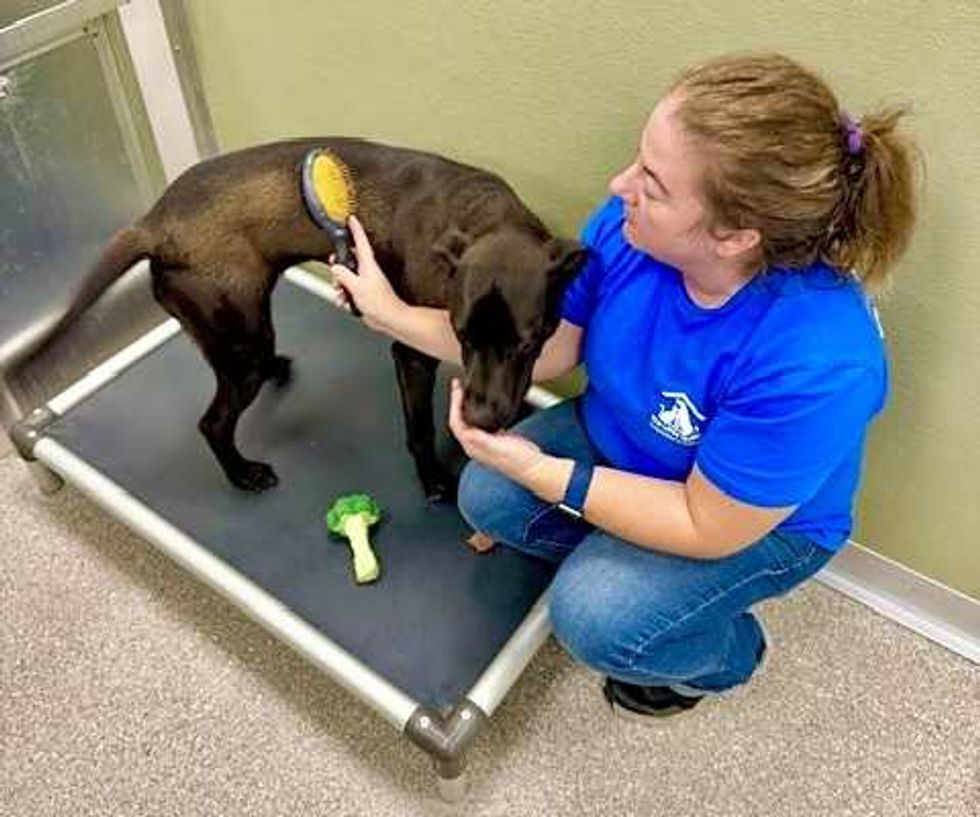 Tiffany Lemelin, shelter manager, brushing Marsala upon arrival.Provided
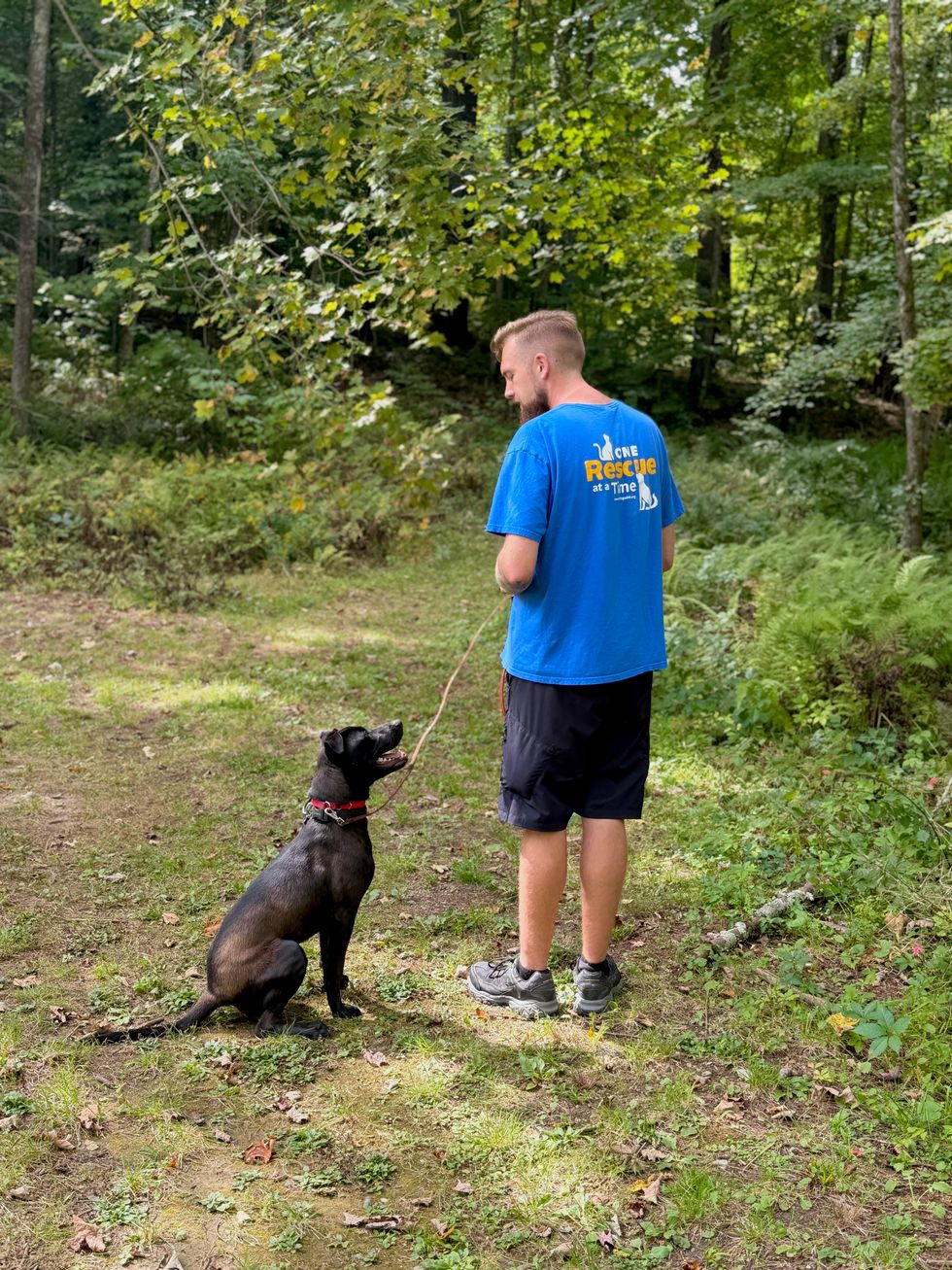 Michael DeBarba, certified dog trainer working with Marsala.Jennifer Almquist
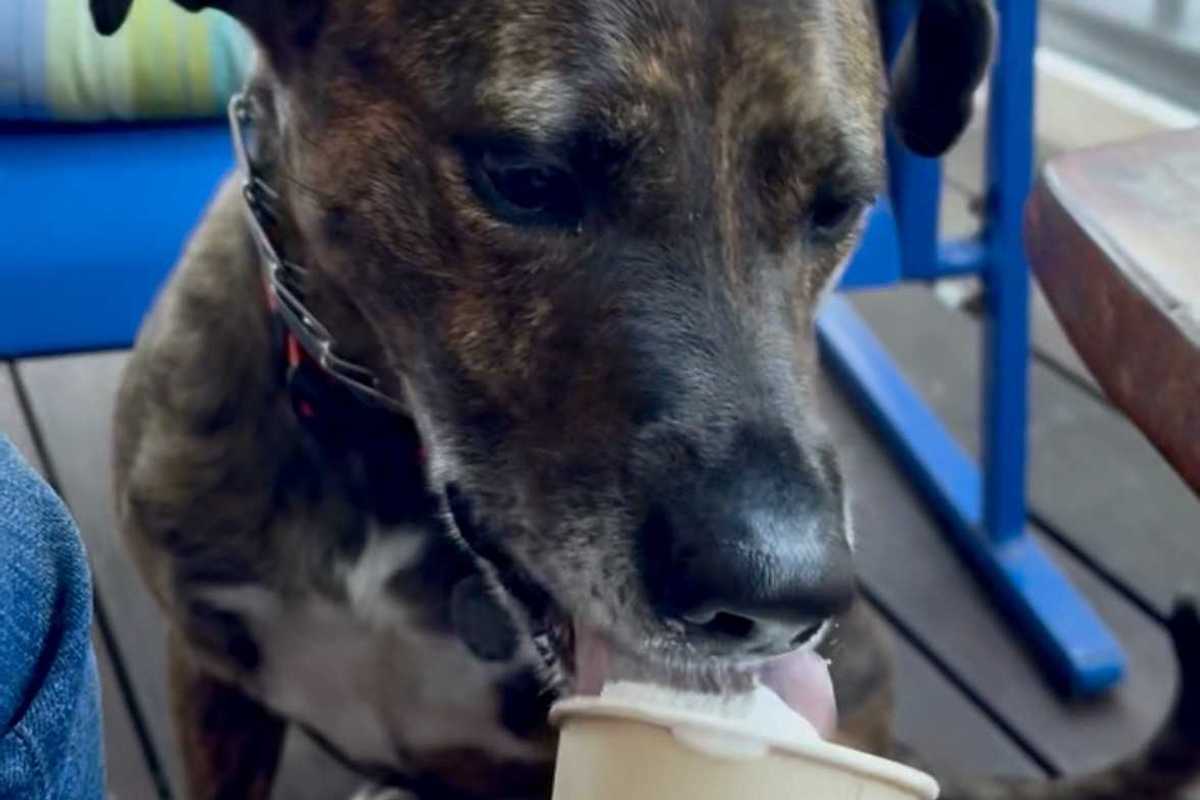
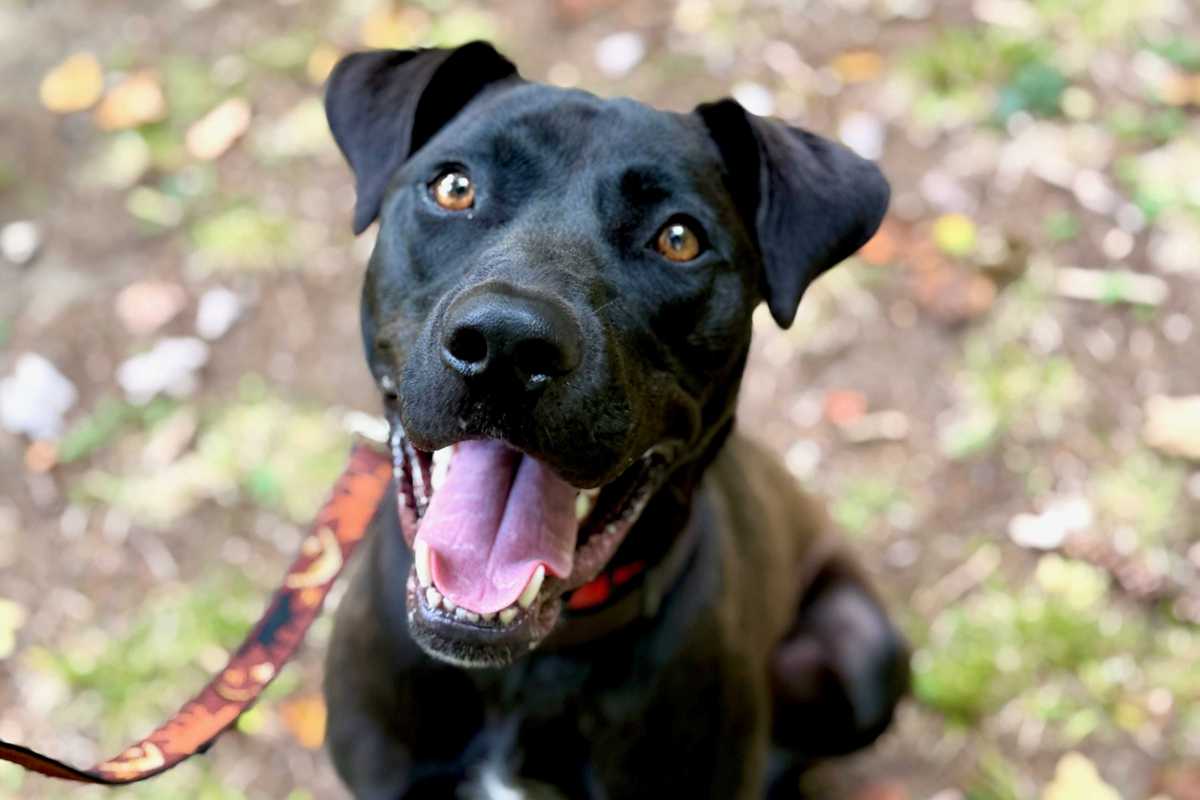
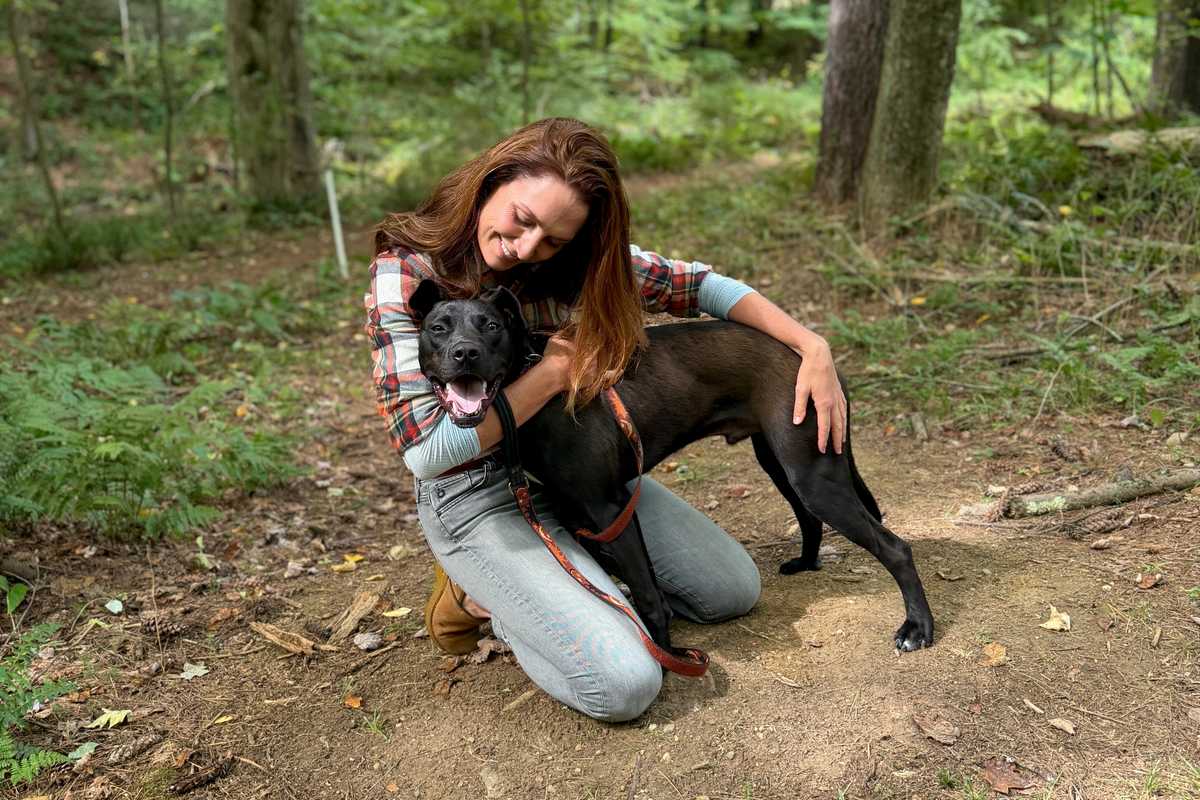 Marsala wins a heart.Jennifer Almquist

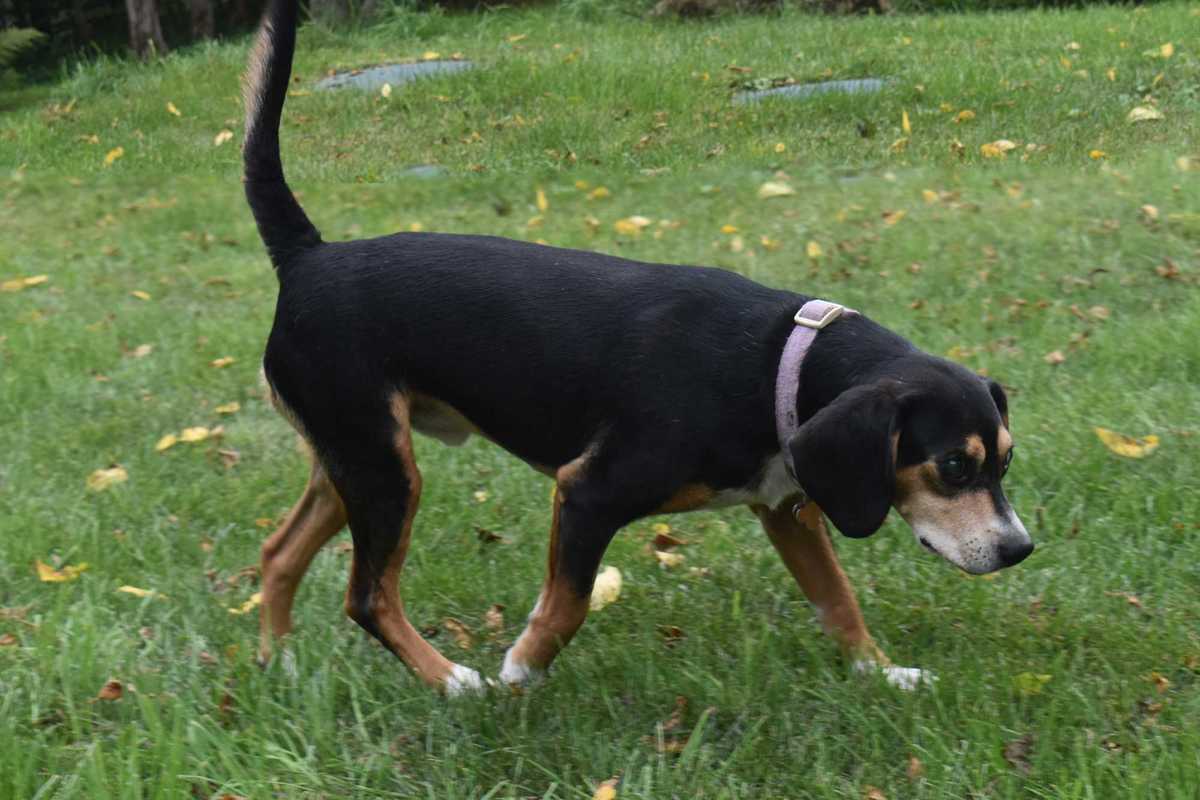
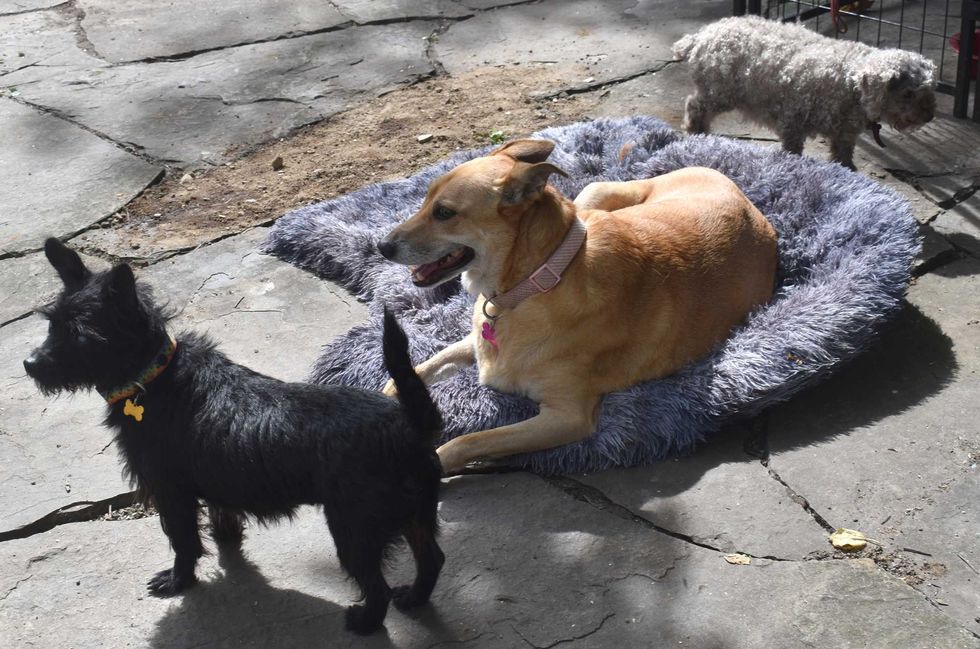 Sadie, center, a Carolina dog, plays with her friend Negra, a terrier mix. Bella Linda, the small poodle, has since been adopted.L. Tomaino
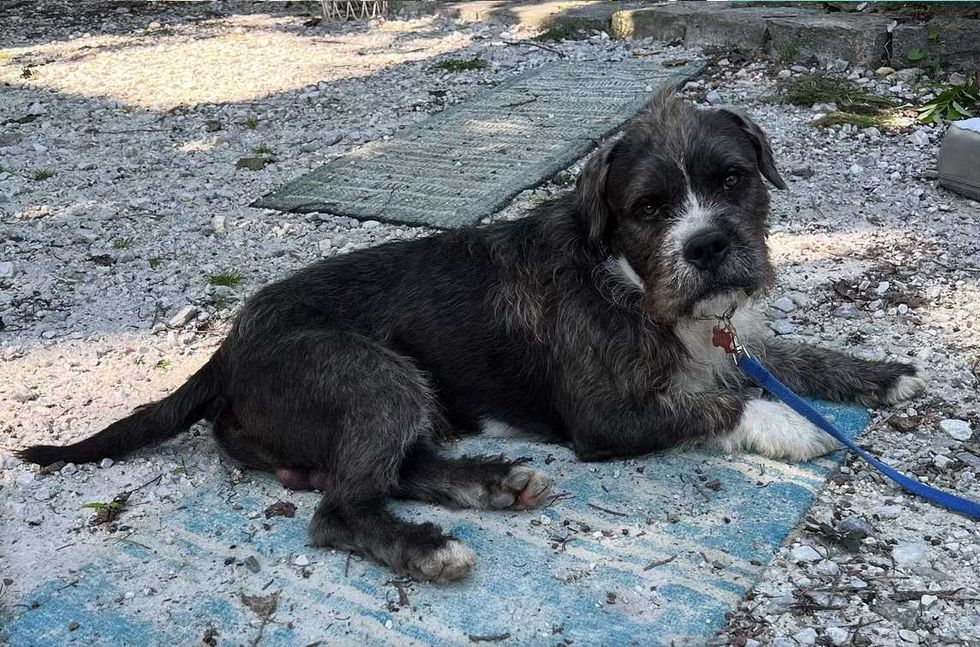 Wesley, a young, exuberant mix, is looking for an active home.L. Tomaino
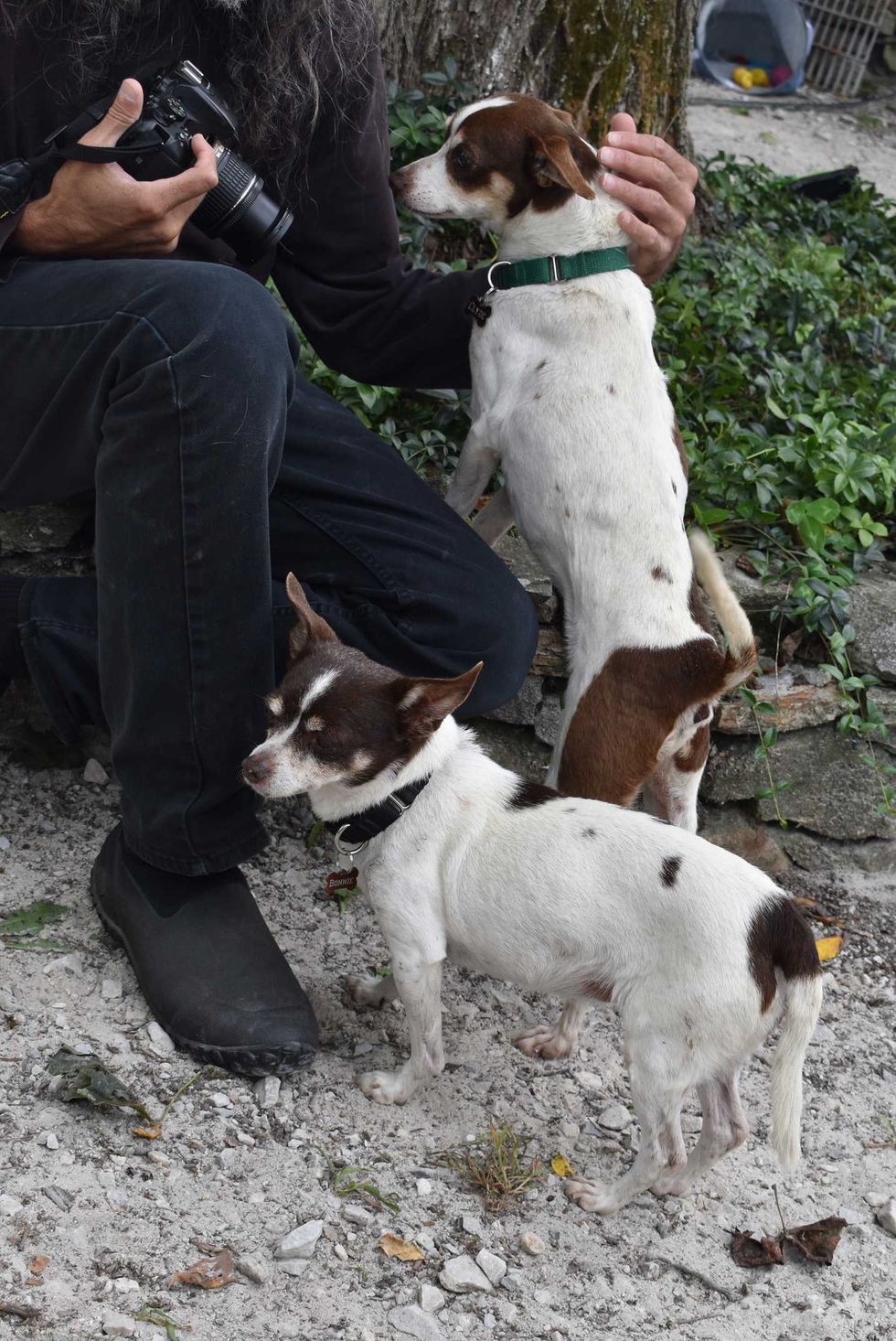 Bonnie and Clyde, an affectionate terrier pair.L. Tomaino
 Provided