SALISBURY — Of the five June property transfers in Salisbury, only one was sold for more than $1 million. The median sale price for the month was $1,136,000 – 31.3% higher than June of last year. In early July there were 33 houses listed for sale with 20 of them over a million dollars and only three under $500,000.
Transactions
407 Salmon Kill Road — 2 bedroom/2 bath antique house on 2.21 acres sold by Inge Heckel to Hiram Williams and Peter Vaughn for $1,175,000 recorded on June 2.
87 Canaan Road — 3 bedroom/2.5 bath condo at Lion’s Rock sold by Robert M. Tetenbaum to Maureen L. Tesoro for $725,000 recorded on June 20.
24 White Hollow Road — 2 bedroom/2 bath home sold by Iron Country Homes LLC to Marguerite and Clyde A. Powers for $565,000 on June 24.
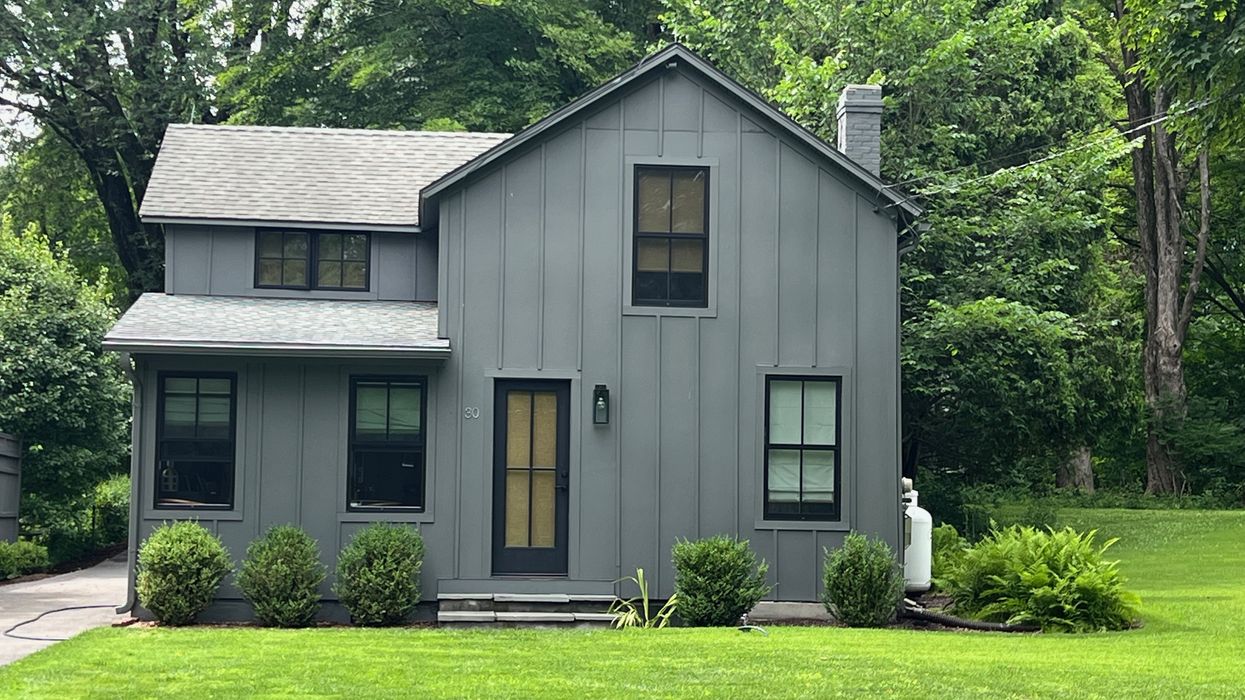
30 East Main Street — 3 bedroom/2.5 bath home sold by Marguerite Conlin and Clyde Allen Powers to David M. and Lucinda Presnall for $720,000 on June 30.
Dugway Road — 4.76-acre lot sold by White Hollow Farms Inc. to McBride Builders LLC for $260,000 on June 30.
* Town of Salisbury real estate transfers recorded as sold between June 1, 2025, and June 30, 2025, provided by the Salisbury Town Clerk. Transfers without consideration are not included. Current market data courtesy of Smart MLS and Info Sparks. Compiled by Christine Bates, Real Estate Salesperson with William Pitt Sotheby’s International Realty, Licensed in Connecticut and New York Sate.

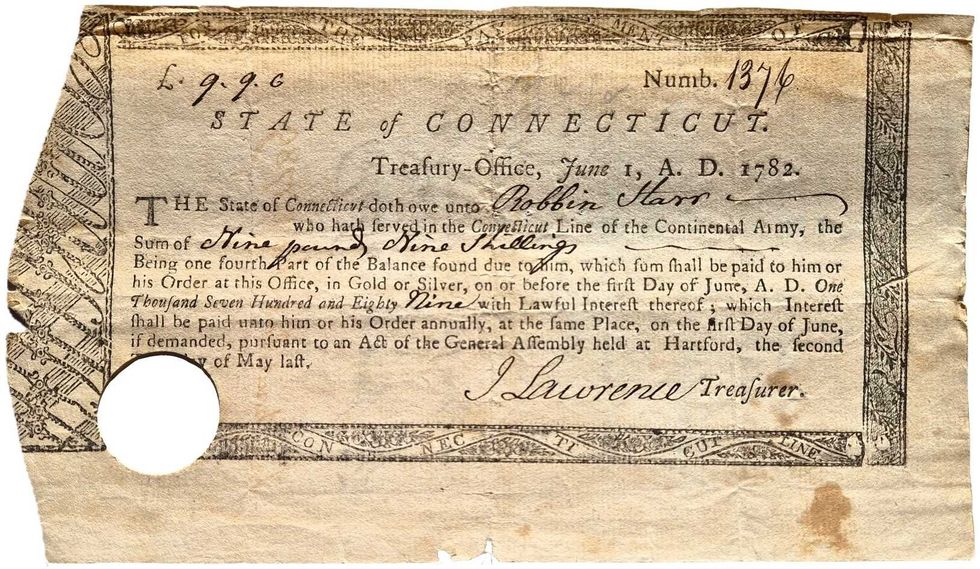 Pay Bill for Robin Starr’s service in the Continental Army.Courtesy the Alex Breanne Corporation
 John Mills speaking at Quinnipiac University.Courtesy the Alex Breanne Corporation
 Stephanie Saetta,with her rescue dog George and Blue (left), a shepherd mix awaiting his forever home.Madi Long
 Blue, a 7 year-old Shepard mix, is waiting for his forever home. Madi Long